HOUSE OF ASIA
See the recipeHits
Ingredients
Diets


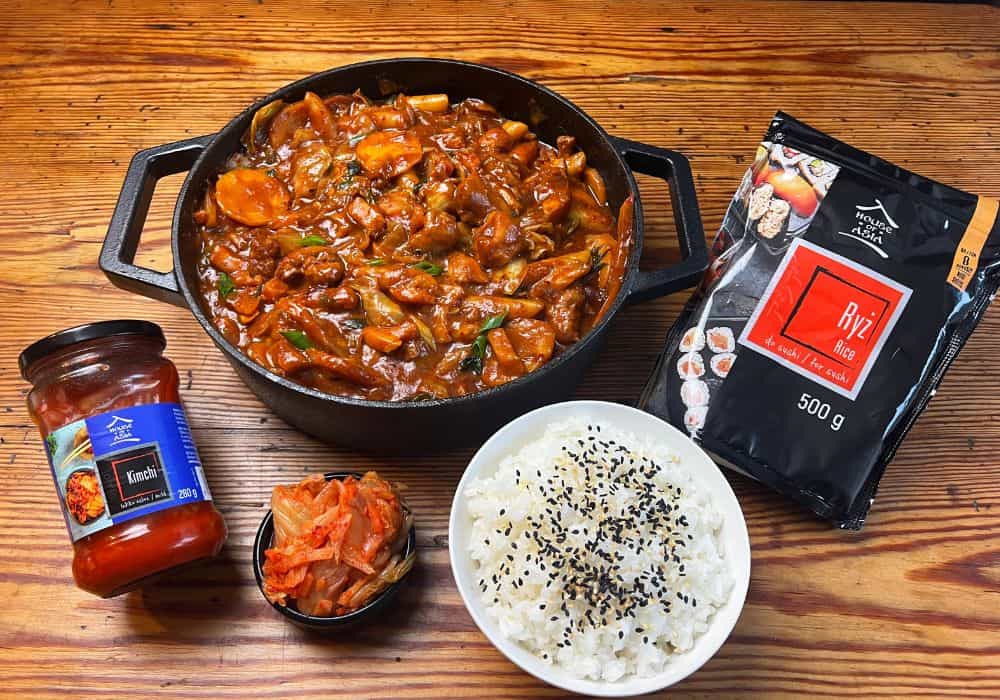


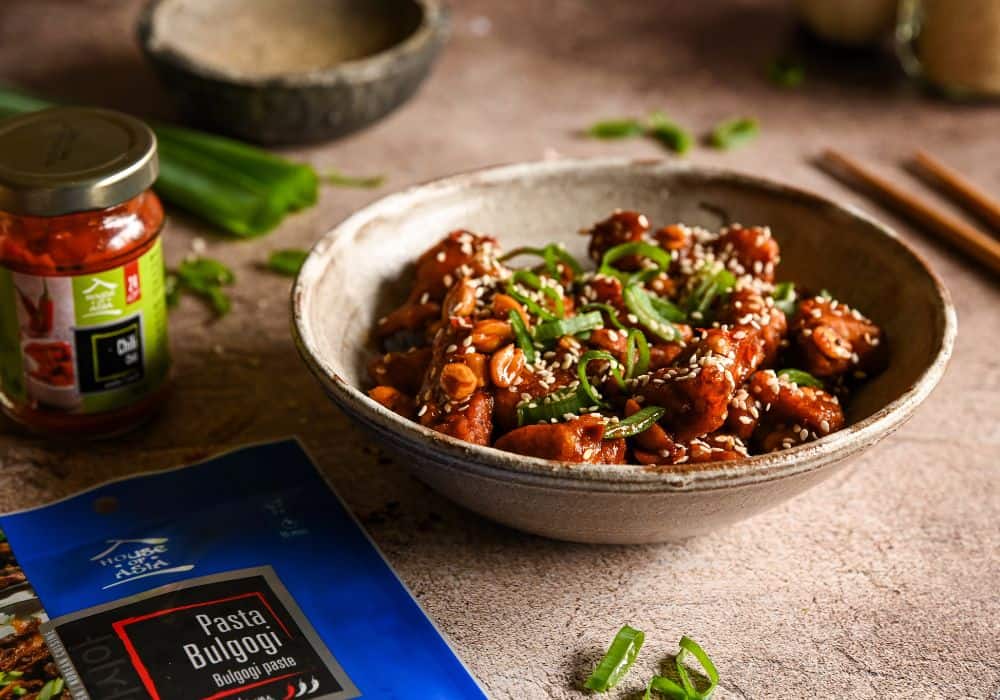
Dak Galbi – a Korean flavor explosion! Time for something spicy and delicious! Korean Chicken stir fry With vegetables, a sweet and spicy sauce, and melted mozzarella, this is the perfect dinner dish with a touch of the exotic, ready in less than an hour! This classic Korean street food delights with its intense aroma and the perfect balance of spice and sweetness. If you enjoy bold, warming dishes, Dak Galbi will quickly become one of your favorite recipes. Be sure to see how to prepare this dish with Mateusz Gębski. Click here
Marinade:
Add-ons:

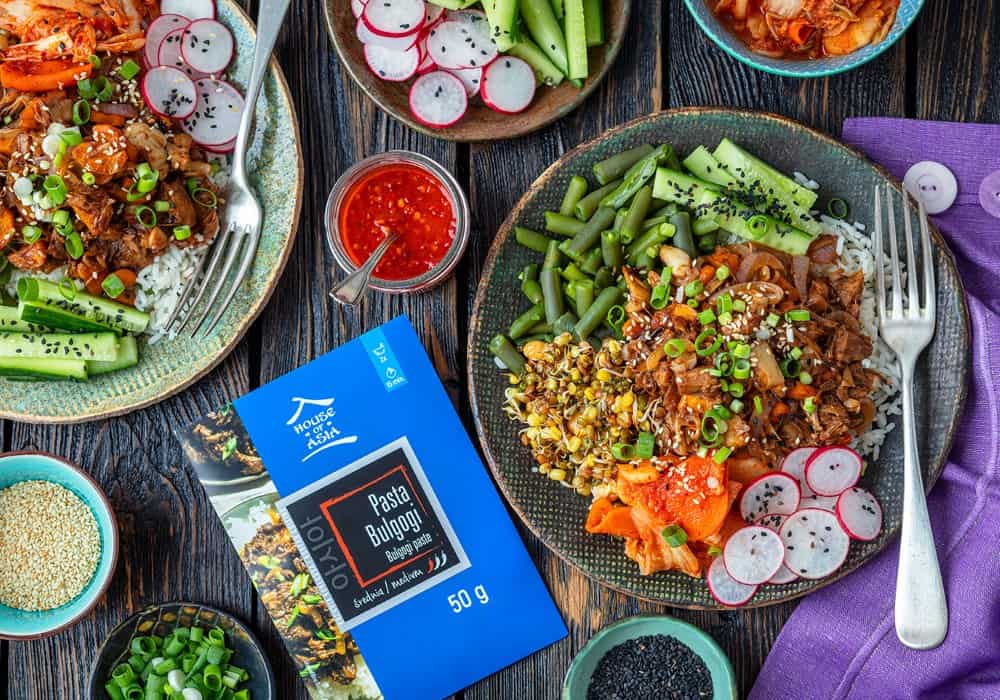
You can also prepare banchan for serving – small vegetable appetizers, e.g. kimchi, cucumber or radish pickles, stewed spinach with soy sauce, pickled onions, blanched soybean sprouts, etc.
Dak Galbi is one of those dishes that perfectly captures the essence of Korean comfort food – juicy chicken pieces, crispy vegetables, and a deep, distinctive umami flavor all come together in one dish. Although the dish has its roots in Korean street food, it can easily be prepared at home without any specialized equipment. Just paying attention to a few simple details will give the dish a truly authentic taste. The key is to maintain a balance between spice and sweetness and the right timing of adding each ingredient to the pan.
The foundation of a successful Dak Galbi is choosing the right meat. Chicken thighs are the best choice, as their structure allows them to remain juicy even during long cooking and absorb the flavor of the marinade well. It's best to cut them into medium-sized pieces – this will ensure even cooking and maintain the right texture.
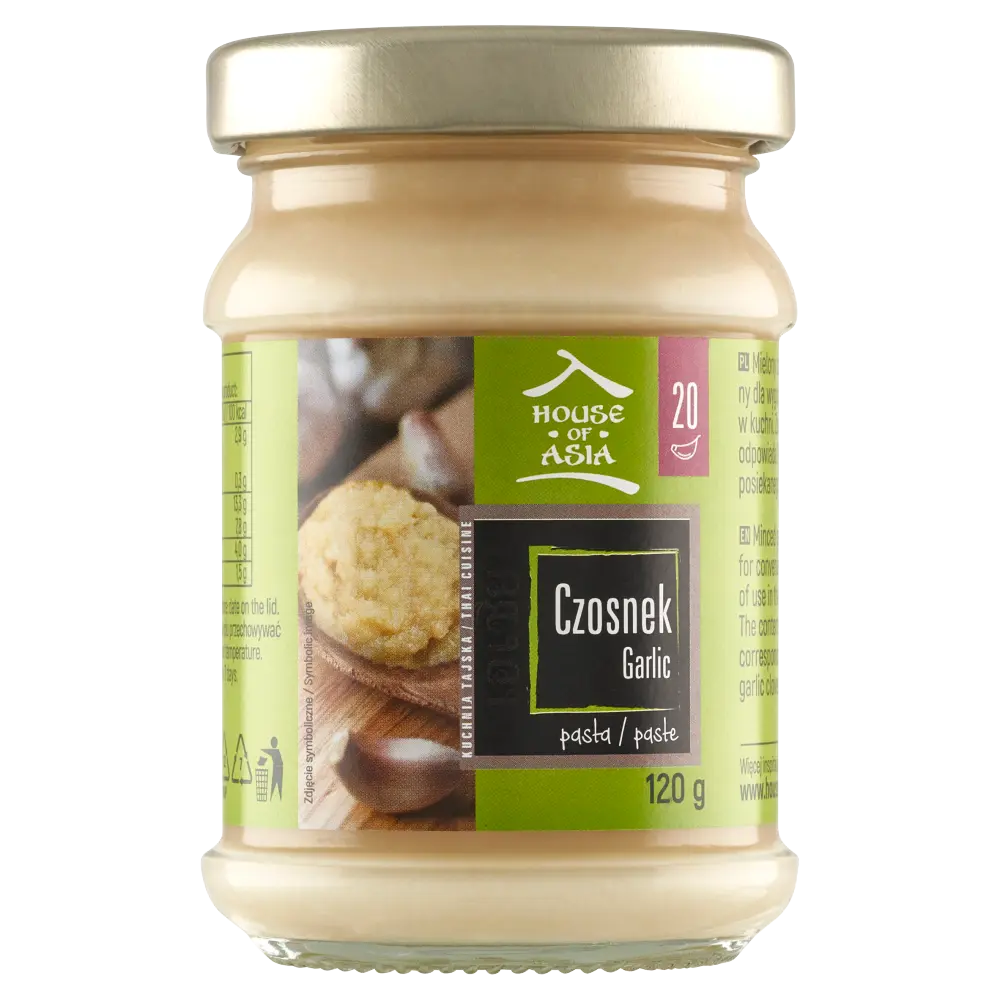
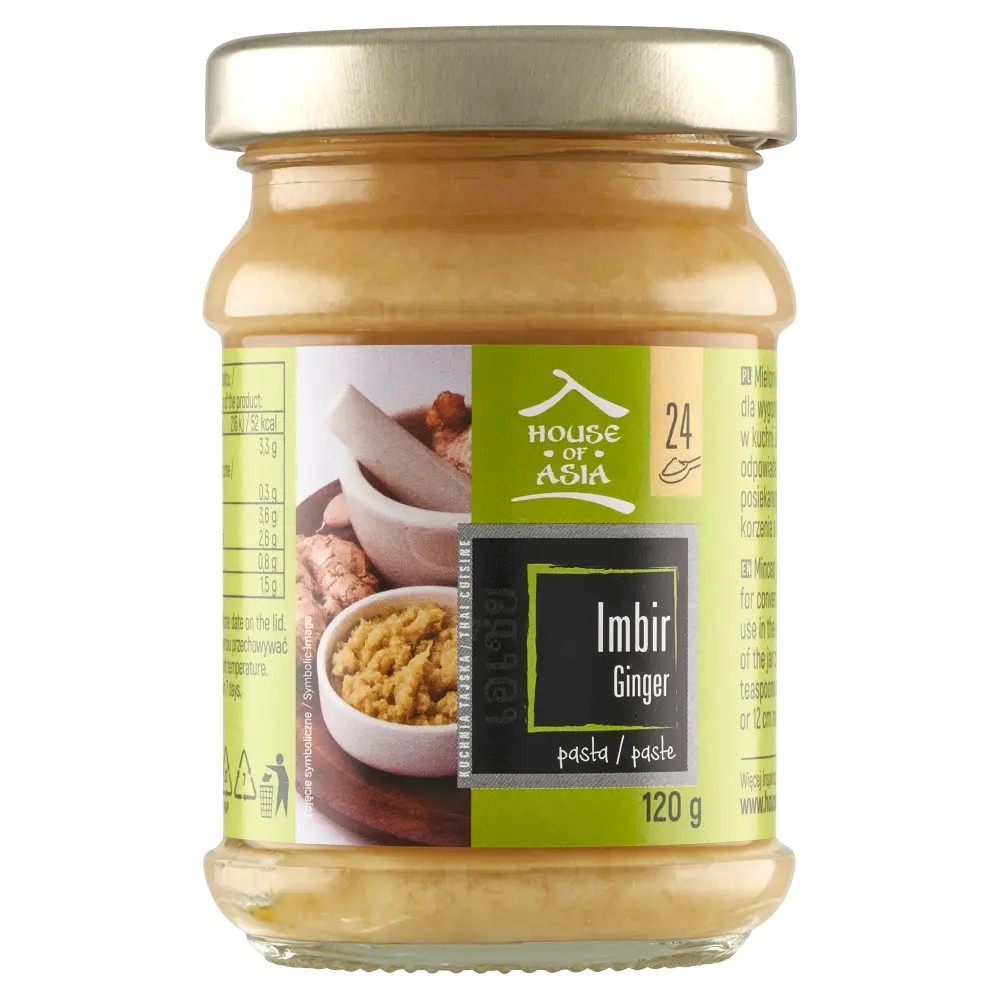
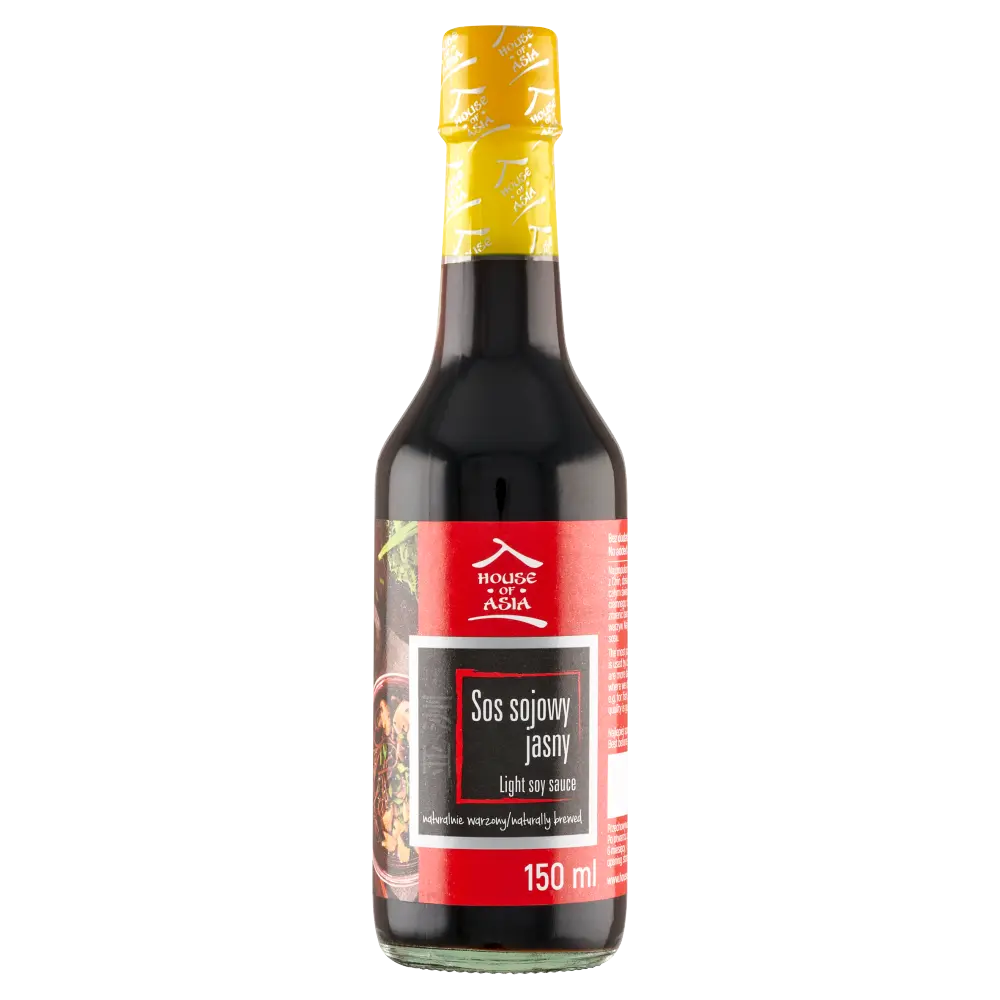
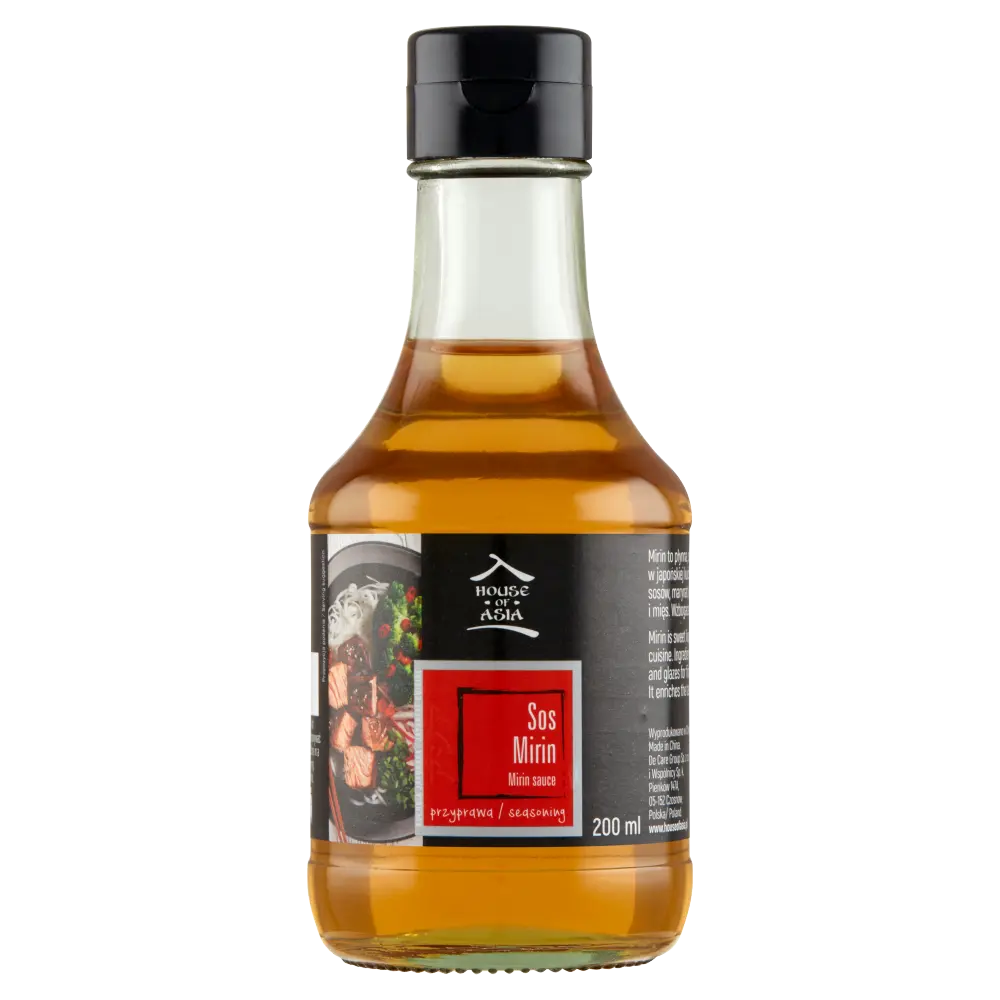
The marinade itself is intense and aromatic – the combination of gochujang paste, soy sauce, mirin, and honey gives it a distinctive sweet and spicy flavor. Garlic and ginger pastes further enhance the aroma and make the whole thing even more distinctive. Just 30 minutes of marinating is enough for the meat to absorb the flavor and develop the desired depth.
The vegetables in this dish aren't just a side dish—they build structure and balance the intense flavor of the sauce. The cabbage and onion soften and absorb flavors during cooking, creating a delicate backdrop for the chicken. The sweet potatoes, in turn, provide a natural sweetness that contrasts beautifully with the spicy notes of the gochujang.
Adding rice dumplings will make the dish even more filling. As they cook, they absorb the sauce and take on its flavor, blending all the ingredients into a harmonious whole.
In this recipe, everything goes into the pan together—the chicken with its marinade, the vegetables, and the toppings. After adding the broth, the ingredients begin to slowly simmer, and the sauce gradually gains depth and consistency.
It is this moment that makes the dish "make itself" - the meat becomes tender, the vegetables are filled with aroma, and the whole thing turns into a thick, expressive sauce that envelops every piece.
Although the traditional recipe favors the fatty thigh meat, using breast meat is possible, provided you take great care not to overdry the delicate fibers. A good solution in this case is to shorten the frying time or add the meat to the pan a little later than the firmer root vegetables.
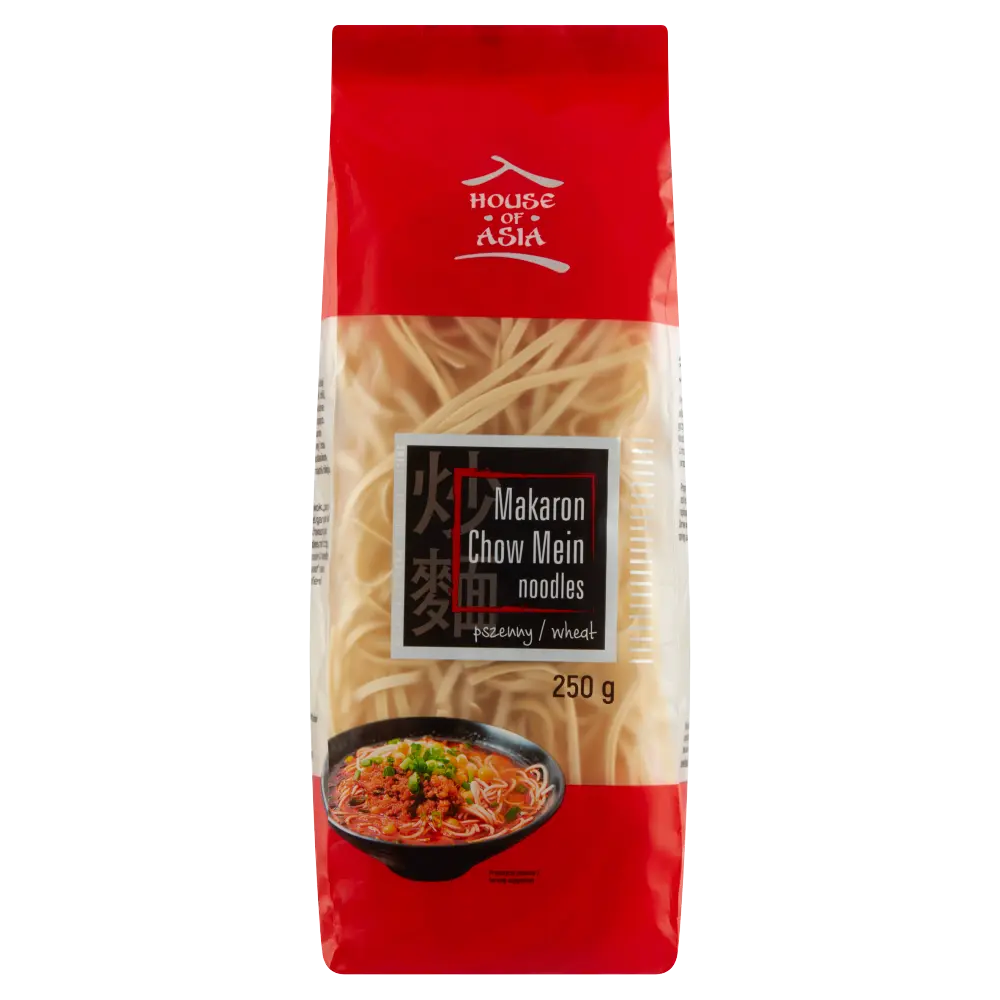
In an emergency, when access to authentic tteok is difficult, you can reach for thick udon noodles or even homemade dumplings. While this will change the texture, it will retain the dish's character. However, remember that the unique springiness of authentic rice dumplings is unique and difficult to perfectly imitate with other flour products.
Leaving the delicious, thick sauce behind would be a waste, so it's common in Korea to prepare fried rice (bokkeumbap) using this base. Simply add a portion of cooked rice to the pan, mix with leftover sauce and vegetables, and then fry with roasted seaweed and sesame oil.
Marinated chicken will safely keep in the refrigerator for up to 24 hours, gaining in tenderness and flavor. However, it's not recommended to keep it longer than this, as the enzymes and salt in the marinade can overly affect the meat's structure, making it unpleasantly soft.
Spiciness is a personal preference, and you can easily adjust it by changing the proportion of gochujang paste or omitting the extra gochugaru chili flakes altogether. If the dish is too spicy, you can balance it by adding more sugar, sweet potatoes, or cabbage, which naturally moderate the capsaicin sensation.


































 Chicken
  Korean
  up to 15 minutes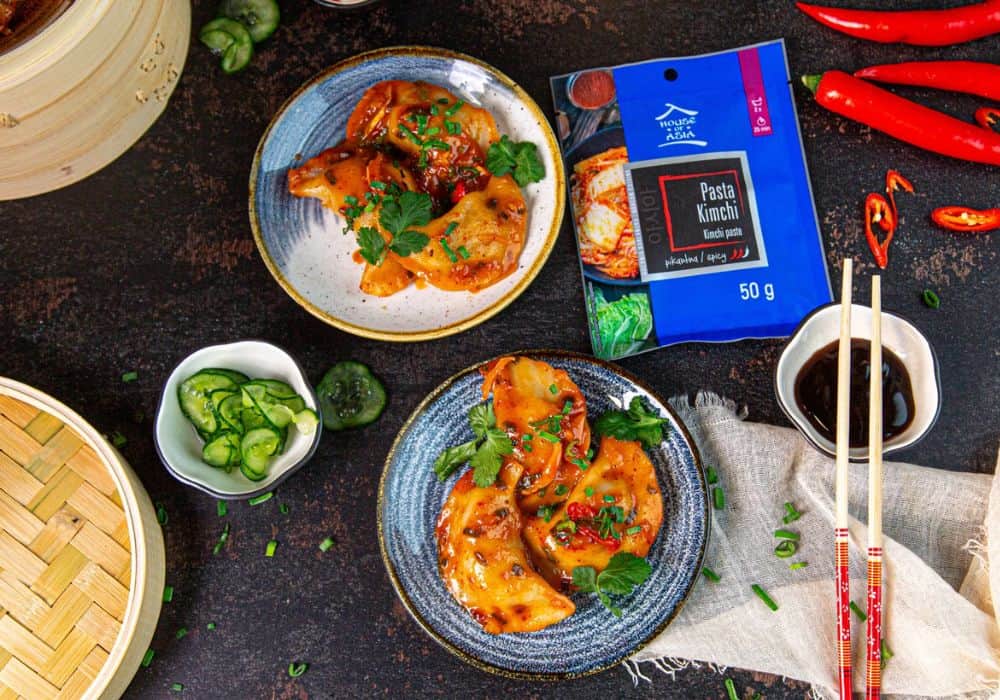
 Vegetables
 Chinese
 Beef
Beef 
 Shrimp