


HOUSE OF ASIA
See the recipeHits
Ingredients
Diets


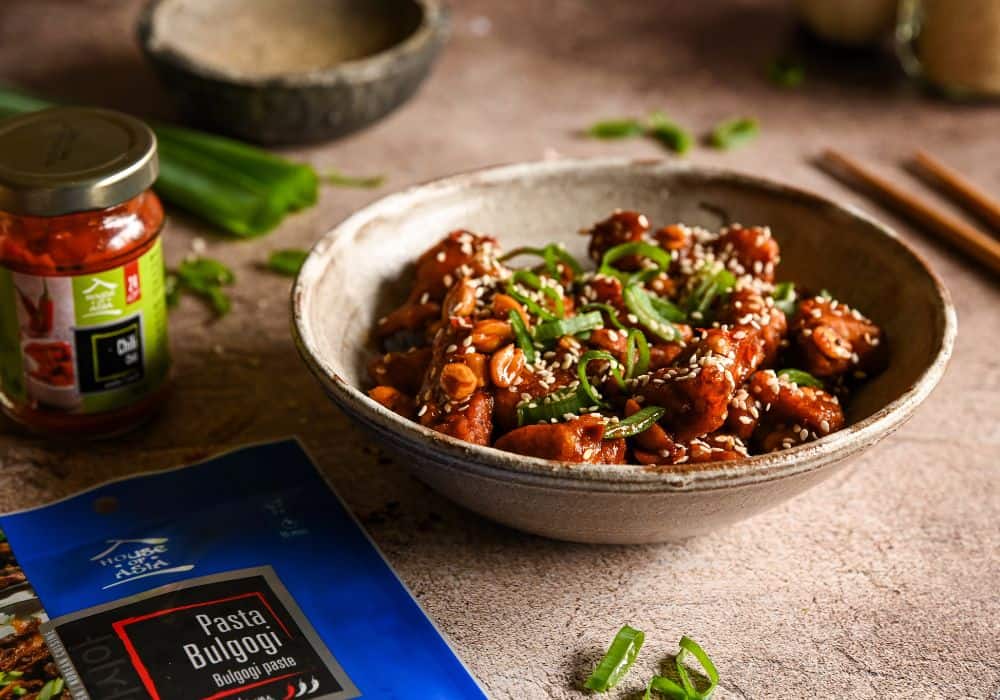


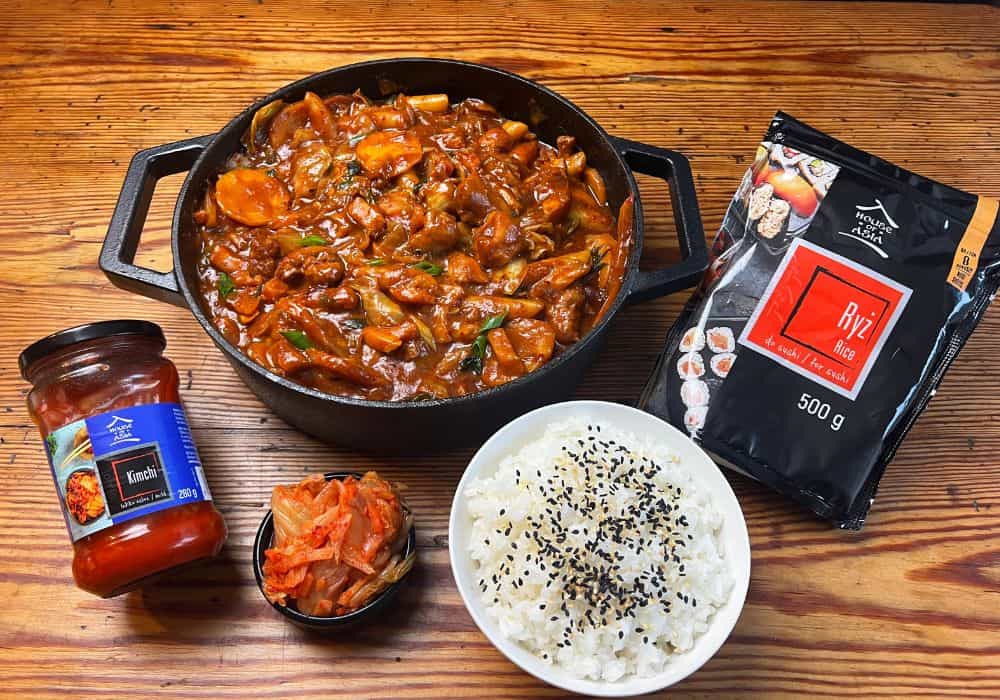
Korean chicken delights with its distinctive flavor and can be truly simple to prepare. The combination of chili, ginger, garlic, and peanuts gives the dish character, while the addition of soy sauce and rice vinegar creates a flavorful composition. Optionally, you can enhance the flavor with a bit of honey or sugar, adjusting it to your own taste. This is a perfect idea for a homemade dish inspired by Korean cuisine, which delights with its intense flavor and appetizing appearance. Recipe from Black Cherry.
Additionally:
optional:
Korean fried chicken is a dish that has gained worldwide recognition for good reason – its secret lies in its unique texture and addictive flavor combination. Unlike classic fast food, the key to its success lies in the crispy breading coated in a thick, sticky sauce that combines the sharpness of chili, the sweetness of honey, and the rich umami. Preparing this specialty in your own kitchen allows you to take a culinary journey to Seoul without leaving home, and the juicy pieces of meat in an aromatic glaze are a great idea for a casual lunch or dinner with friends. However, to achieve restaurant-quality results, you must adhere to a few strict rules regarding frying technique and sauce composition.
The foundation of this dish is its distinctive crispiness, achieved somewhat differently than in Western cuisine. Traditional Korean chicken differs from its American cousin primarily in the type of flour used and the cooking method: instead of a heavy wheat coating, the pieces of meat are coated in potato flour (starch), which guarantees a light, almost glassy texture after frying. A crucial step in preparation is deep-frying the chicken until delicately golden brown. This gives the pieces of meat a delicious finish and pairs well with the distinctive sauce.
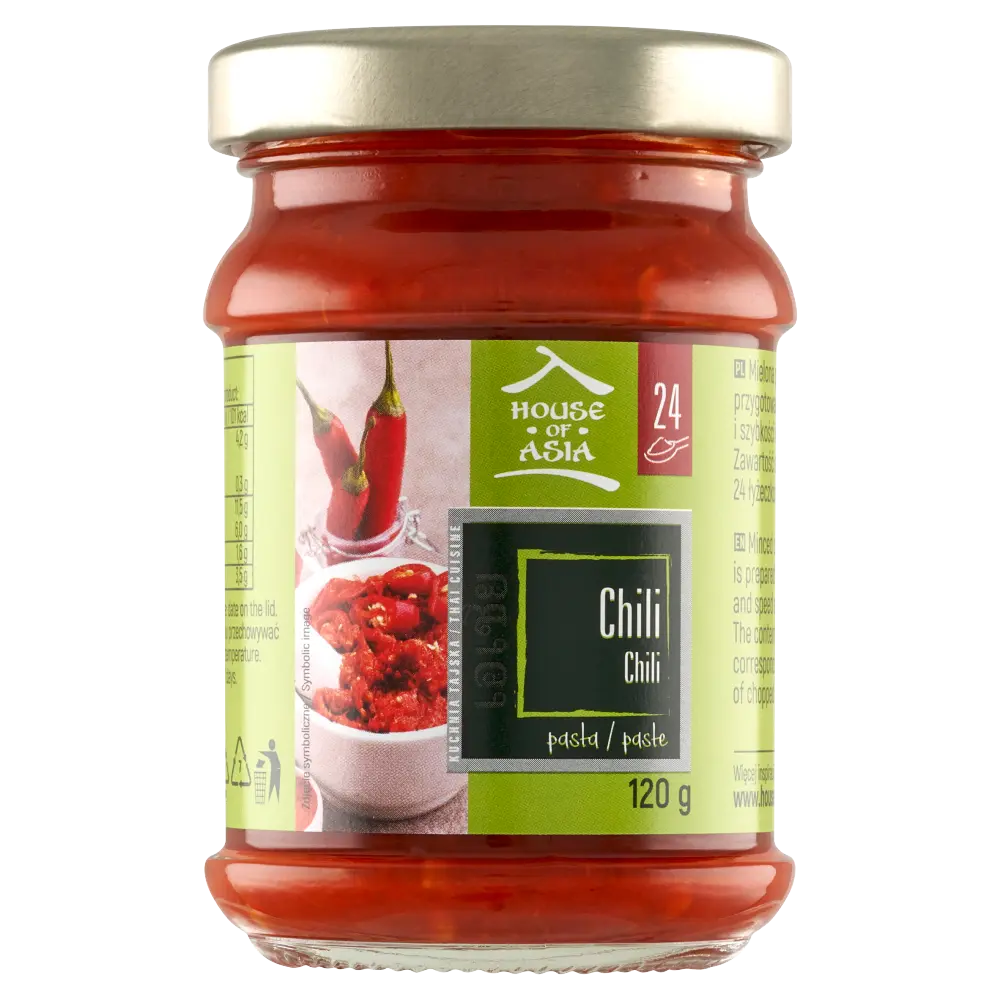
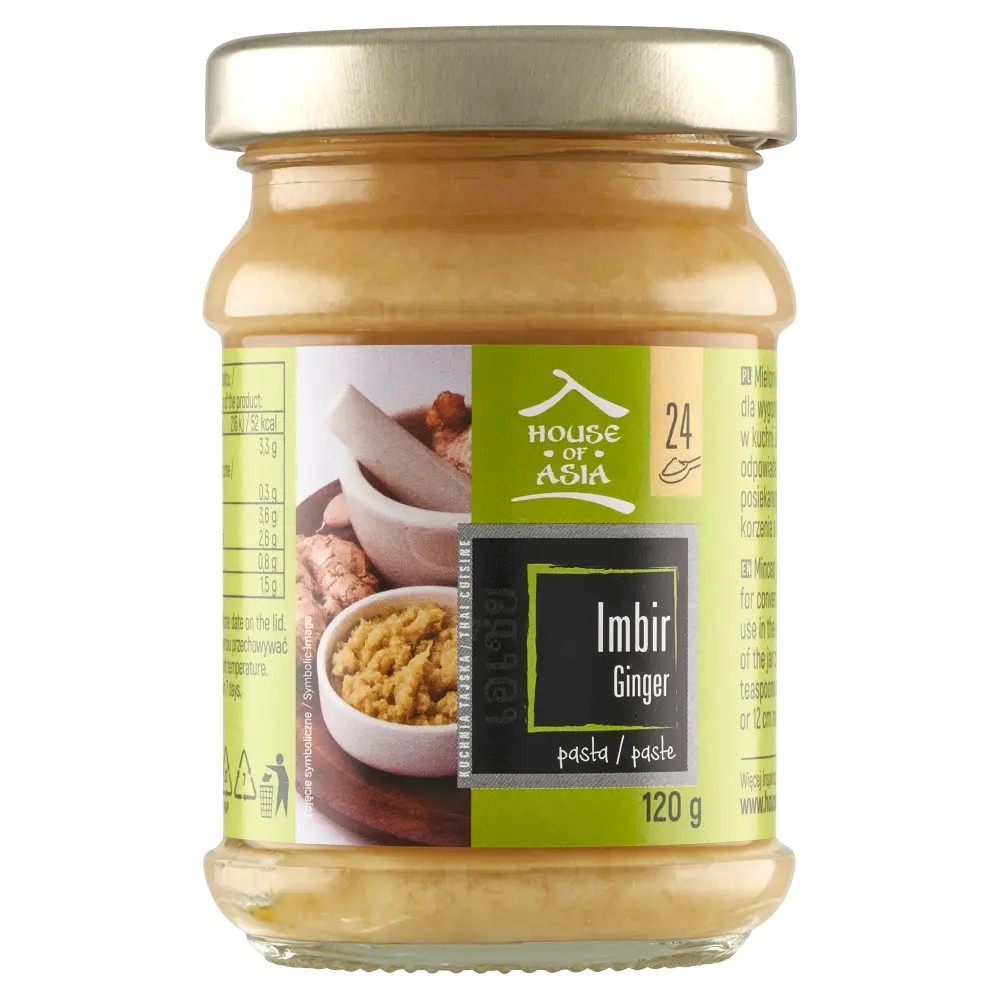
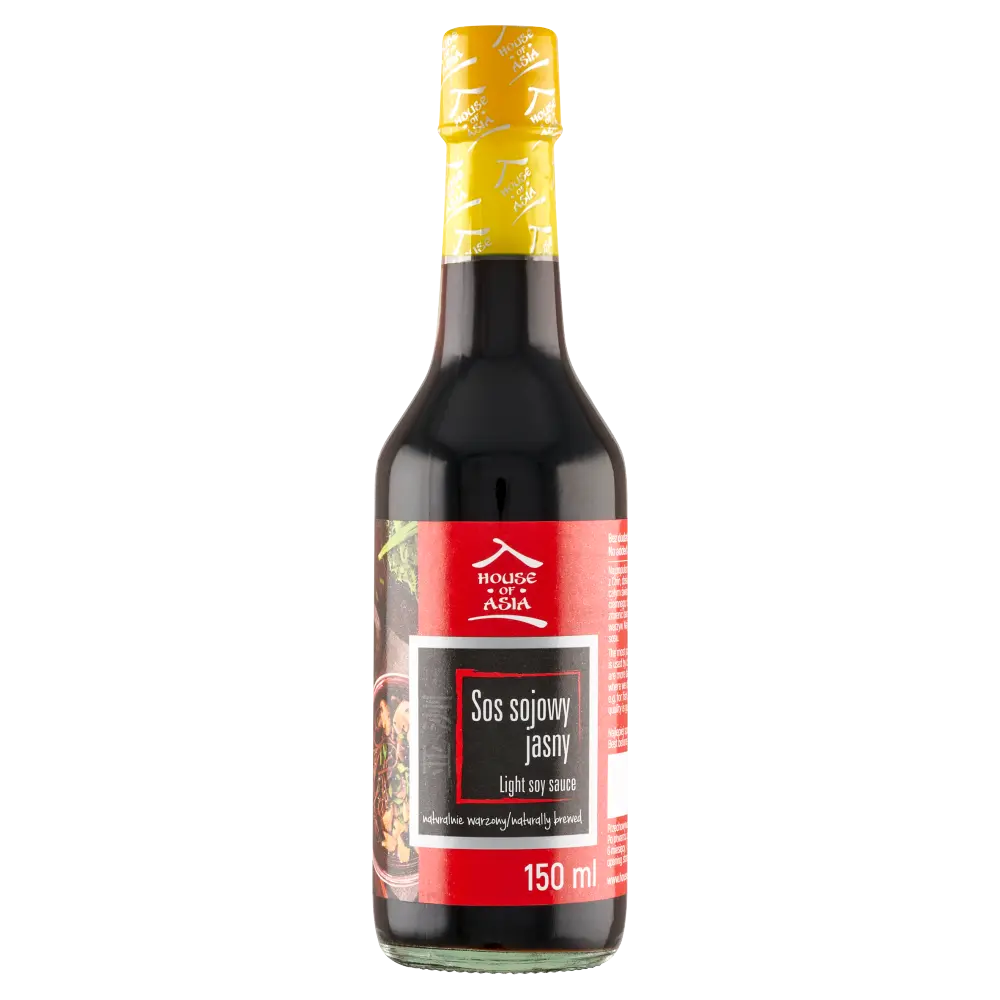
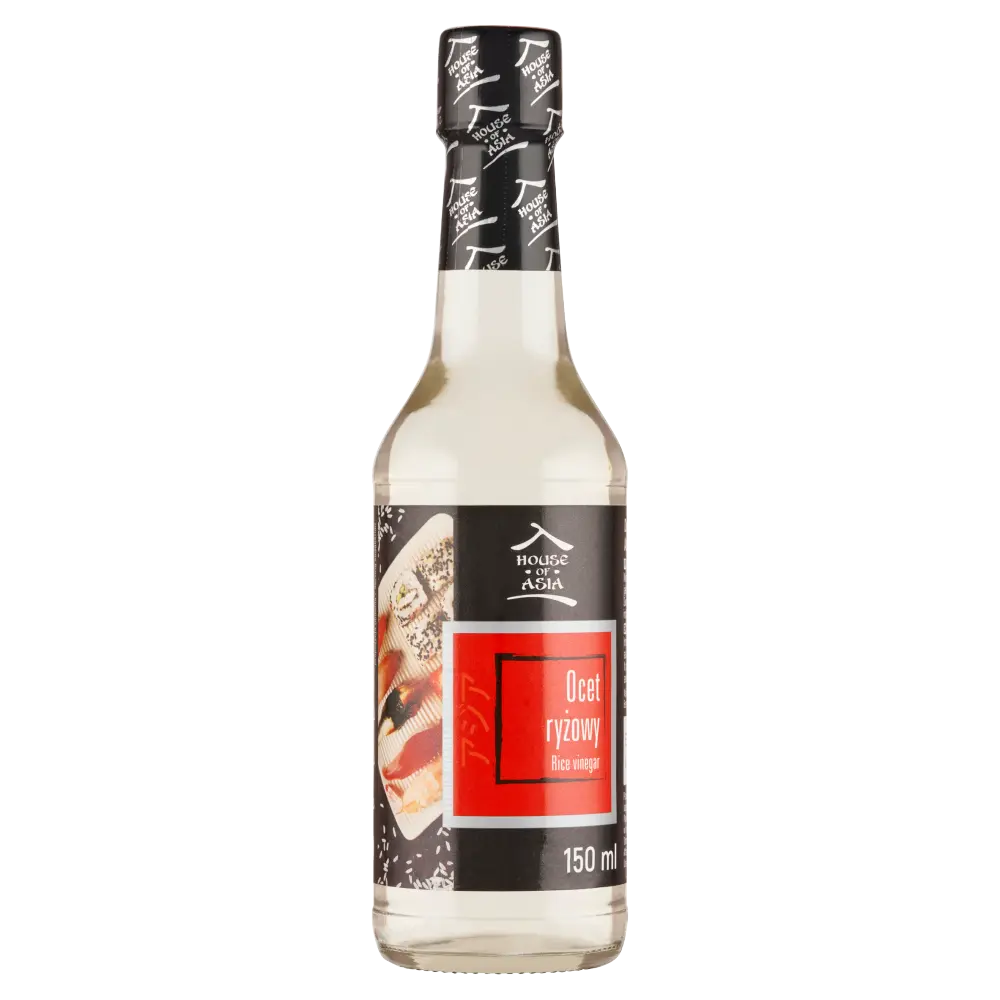
The distinctive flavor of this dish comes from a sauce made with chili paste, ginger paste, garlic, soy sauce, and rice vinegar. This combination gives Korean chicken a spicy, slightly sour, and aromatic character. The fried chicken pieces combined with the sauce achieve a mouthwatering finish, while sesame seeds, spring onions, and peanuts round out the overall flavor.
The best base for such an intensely flavorful meat is classic cooked jasmine or glutinous rice, whose neutral flavor perfectly complements the bold sauce. Pickled radishes are also often served, their crunch and acidity a wonderful cleanser for the taste buds.
While potato starch is absolutely best for achieving the characteristic lightness, cornstarch can be used as a last resort. Unfortunately, wheat flour will produce a different, heavier effect, and the breading will become rubbery more quickly under the influence of the sauce.
Korean chicken is best served immediately after cooking, when you can still hear the crunch with each bite. However, if there's any leftover, store a portion in an airtight container in the refrigerator; reheating in the oven may restore some of the texture, but the breading will inevitably become less crispy as it absorbs the moisture from the glaze.
Yes, you can easily prepare the sauce base ahead of time. In a bowl, combine all the sauce ingredients: chili paste, ginger paste, soy sauce, rice vinegar, and—if desired—honey or sugar. Just before serving, transfer the sauce to a pan with the garlic and add the fried chicken pieces, coating them thoroughly in the aromatic glaze.
The spiciness level is entirely up to your preference: if you want to tone down the flavor, simply add more honey (e.g., an extra teaspoon) and reduce the amount of chili paste, which will make the dish more enjoyable for those with a more delicate palate.
It's best to add the chicken pieces to the sauce at the very end, once all the ingredients in the pan are heated and well combined. The recipe calls for first preparing a sauce of chili paste, ginger paste, garlic, soy sauce, rice vinegar, peanuts, and water, and only then adding the previously fried chicken. This ensures the sauce evenly coats the Korean-style chicken while maintaining its texture and appetizing appearance.


































 Vegetables
  Korean
  over 30 minutes
 Chinese
 Beef
Beef 
 Shrimp
 Chicken