


Kimchi – the Korean secret to health and beauty
We all know that pickled foods are healthy, but kimchi takes their benefits to a whole new level. This isn't just ordinary sauerkraut, but a wholesome dietary component that has been considered a symbol of longevity and well-being in Korea for centuries. It's not without reason that it's said to hold the secret to Korean women's health and radiant skin.
Kimchi is a spicy, fermented Chinese cabbage with garlic, ginger, chili pepper, and other anti-inflammatory spices. Natural fermentation creates a product rich in bioactive compounds that support the body on many levels.
What exactly is kimchi and where does it come from?
Kimchi originates from Korea and has been a cornerstone of Korean cuisine for centuries. It's a traditional pickled vegetable, most often made from Chinese cabbage, radishes, or cucumbers, which is fermented with salt, garlic, ginger, and spicy spices. This creates a product with an incredibly complex flavor profile and distinctive depth.
Each region of Korea has its own kimchi variants, varying in intensity, spiciness, and additions. This means the same base can be made in many ways, yet always retains its unique flavor, a fusion of fermentation, spices, and tradition.
The history of kimchi dates back over two thousand years. Initially, it was a simple way to preserve vegetables for winter, but over time it became an integral part of Korean culinary culture and the daily diet, valued not only for its flavor but also for its nutritional properties.
What is the kimchi fermentation process?
The secret to kimchi is lactic acid fermentation, a process in which natural bacteria convert the sugars in vegetables into lactic acid. This acid is responsible for its distinctive flavor and health-promoting properties.
Fermentation turns kimchi into a natural source of prebiotics, which support gut microflora. It also increases the bioavailability of nutrients, making them easier for the body to absorb.
What does kimchi taste like?
Kimchi's flavor is intense and multifaceted, combining notes of sour, spicy, slightly salty, and umami. Depending on the fermentation time, it can be fresh and crunchy or deep and bold.
It is this complexity that makes kimchi a perfect match for many dishes – from rice and noodles to modern fusion.
Health benefits of kimchi
Kimchi is one of the most researched fermented foods and one of the most valued elements of Asian cuisine. This Korean delicacy is considered a functional food, meaning it offers additional benefits beyond its nutritional value.
Thanks to the natural fermentation process, kimchi supports gut flora, helping to maintain its balance and proper digestive function. Its bioactive ingredients strengthen immunity, support brain function, and help the body fight inflammation.
Regular consumption of kimchi can also help lower blood glucose and cholesterol levels, making it one of the healthiest additions to your daily diet. Furthermore, its benefits are also visible in skin health, which is why it's often referred to as a natural support for skincare from the inside.
But be careful – if you have high blood pressure, treat pickled foods as a distinctive addition, not the base of a meal, due to their salt content.
Is it worth eating kimchi?
Regularly consuming kimchi can bring real health benefits. It's low-calorie and rich in fiber and vitamins. Including it in your diet is a simple way to improve digestive health and support your immune system.
Impact on general health
Kimchi has multifaceted benefits. The bioactive compounds it contains support bodily functions, positively impact blood sugar levels, and help reduce inflammation. Regular consumption can also support brain function and overall well-being.
Support for intestinal function and immunity
One of kimchi's greatest benefits is its effect on the intestines. The fiber it contains acts as a natural "broom," supporting digestive cleansing. Additionally, kimchi provides postbiotics (including butyric acid) that regenerate the intestines and support their proper functioning. This improves the immune system's performance and the body's ability to better fight infections.
Regulation of metabolism
Kimchi can be an ally in caring for your figure. It influences the regulation of hunger and satiety and supports thermogenesis, the process of burning calories. This means it can aid in fat loss and weight management.
Vitamins and the glycemic index
Kimchi is a true vitamin powerhouse. It contains B vitamins, vitamin C, and vitamin K. It also supports the absorption of minerals such as calcium, magnesium, and iron.
Its low glycemic index prevents sudden spikes in blood sugar. Furthermore, it slows the digestion of starch, helping to avoid post-meal drowsiness and sudden insulin spikes. This is especially important for people with insulin resistance.
The best kimchi recipe – how to make kimchi at home?
Preparation kimchi at home It takes time, but it's not complicated. The key ingredients are Chinese cabbage, salt, garlic, ginger, chili pepper, and fish sauce or a plant-based alternative. Salt the cabbage, let it sit for a few hours, then mix with spices and leave to ferment for a few days.
You can control the fermentation process by storing the kimchi in the refrigerator or at room temperature, depending on your preferred flavor.
What to serve kimchi with?
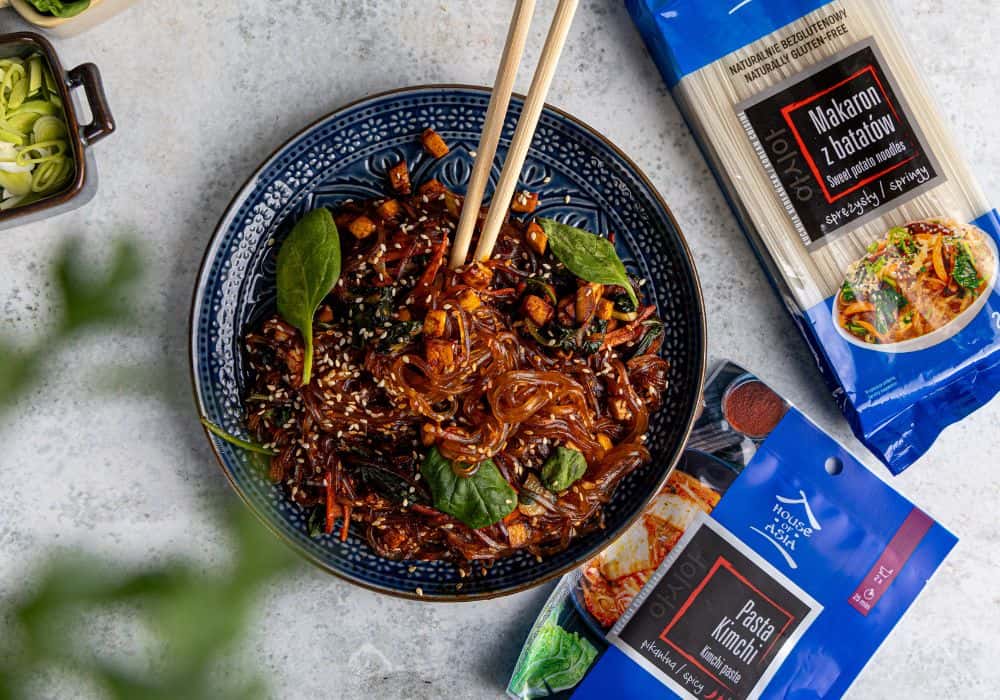
Kimchi is an incredibly versatile culinary ingredient that pairs well with a variety of ingredients and can completely transform the flavor of a dish. It pairs perfectly with rice, noodles, meat, tofu, and seafood, giving them a distinctive and slightly spicy, fermented character.
It also works great in more complex dishes such as fried rice, soups, pancakes, and sandwiches, where it adds depth of flavor and a distinctive Korean note.
How to store kimchi?
Kimchi is best stored in the refrigerator, in a tightly sealed container. Low temperatures slow down the fermentation process, ensuring a long-lasting, stable flavor. However, it's important to remember that kimchi will become more intense over time.
Try ready-made kimchi products from House of Asia!
Don't have time to make kimchi at home? Reach for a ready-made solution and enjoy authentic flavor without compromise!
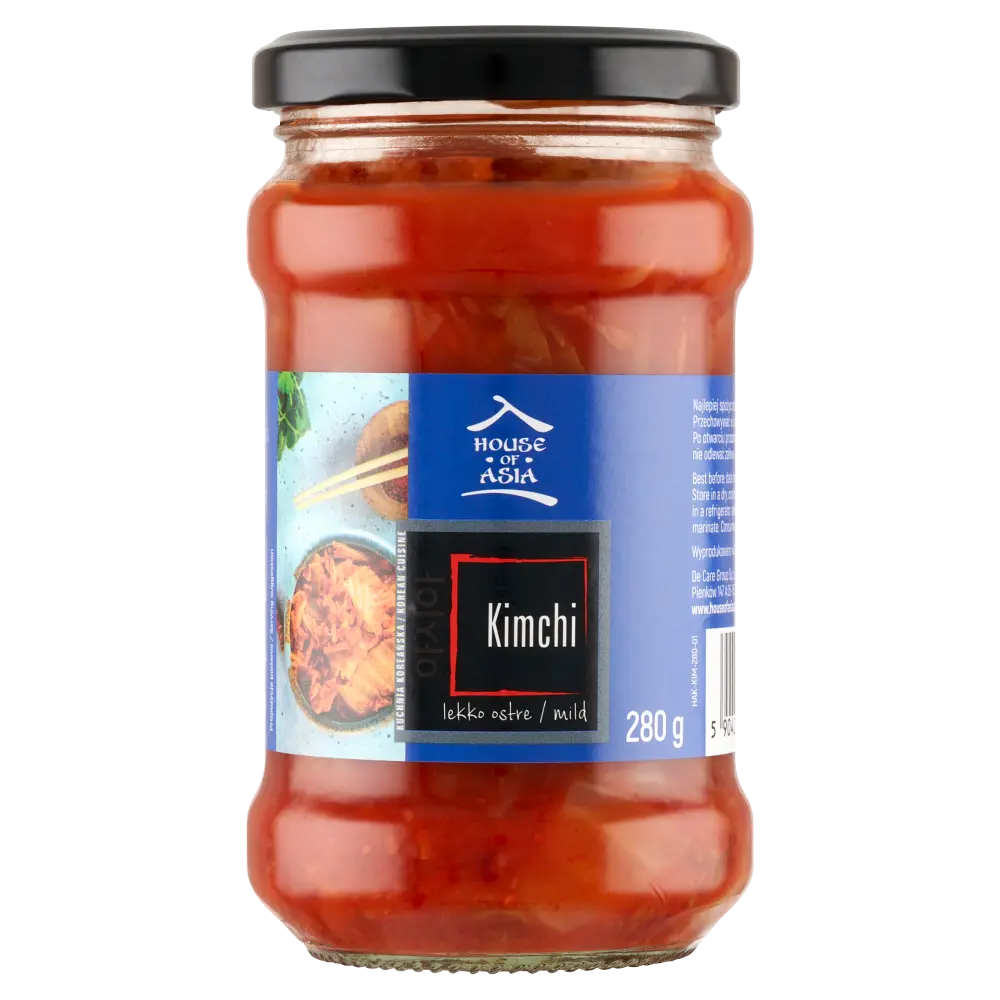
Kimchi House of Asia This product is for those seeking authentic flavor and high quality in their daily diet. It's made using a traditional recipe, preserving the distinctive, deep flavor of fermented Chinese cabbage and bold spices. Importantly, it boasts a clean formula—free from preservatives and unnecessary additives—so you can incorporate it into your diet as a complete meal.
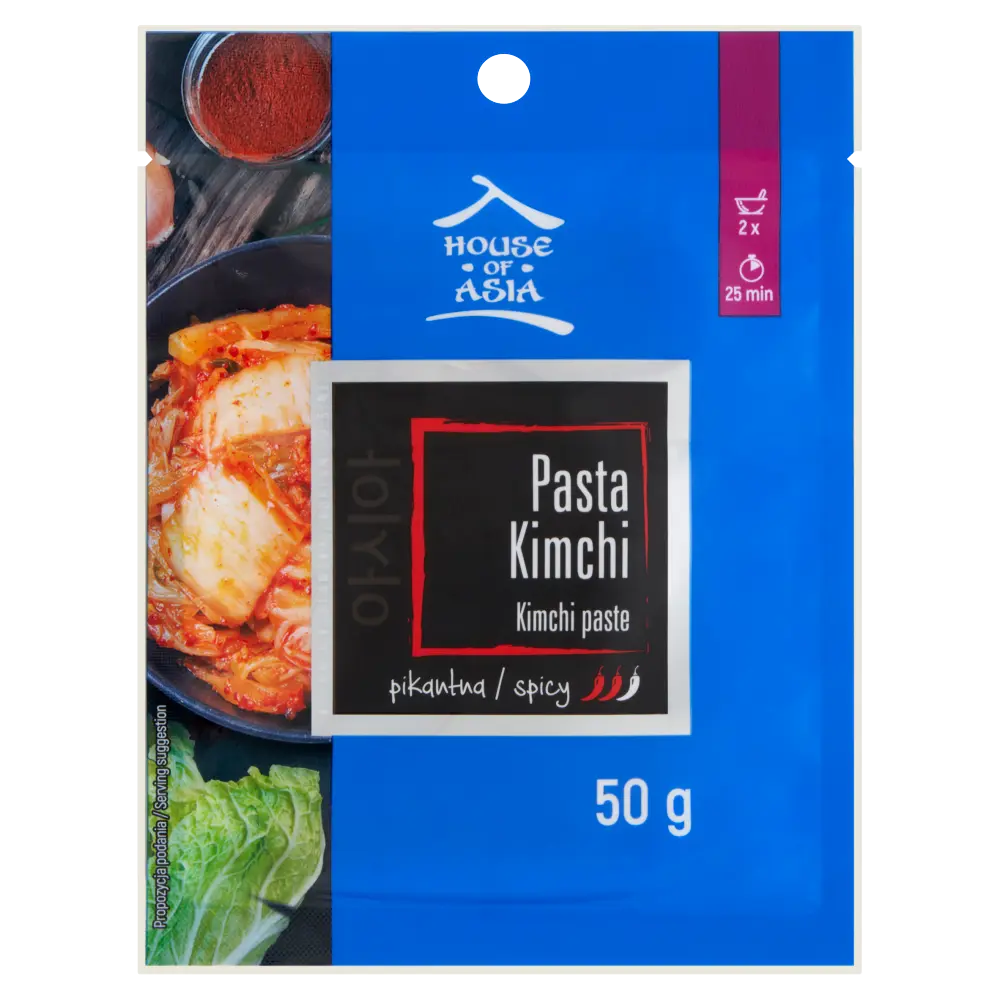
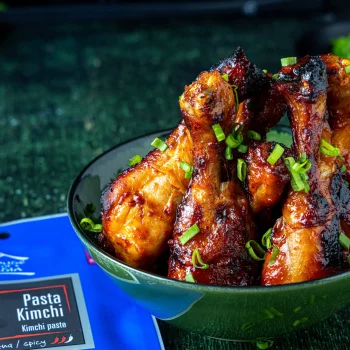
The offer also includes: kimchi-inspired sauce, which instantly adds a distinctive character to dishes. It's a balanced blend of chili heat, deep umami, and a subtle hint of sweetness, reminiscent of classic kimchi. Although not fermented, it perfectly captures its distinctive flavor profile. It's perfect as an addition to pasta, rice, and roasted vegetables, but also in less obvious combinations—for example, in burgers or even pizza.
Discover other secrets of Korean cuisine
Korean cuisine It's full of contrasts and harmony at the same time – combining spiciness, fermentation, the depth of umami flavor, and the freshness of ingredients in a uniquely cohesive way. Its strength lies not only in its intense aromas, but also in its approach to food as a way to maintain health and body balance.
By reaching for products inspired by Korean cuisine, you can gradually discover new flavors and build your own culinary experiences – from simple additions such as kimchi to more complex dishes full of aroma and expressiveness.
Kimchi is much more than a trendy addition to dishes. It's a product that combines a distinctive flavor with real support for the body. Thanks to the fermentation process, it supports the intestines, immunity, and metabolism, and fits perfectly into a daily, balanced diet.
Whether you make it yourself or opt for ready-made options, kimchi is a simple way to enhance your meals with something nutritious and truly delicious. Products like these demonstrate that health care can go hand in hand with the pleasure of eating.
We show you more about why kimchi has been called the "longevity food" and how it affects the body in this short video. Check!

 Korean
  up to 15 minutes
 Vegetables
 Chicken
 Pasta
Pasta 

 Chinese