





Why have mushrooms gained popularity in Asian cuisine?
They are tasty, easy to prepare, complement many dishes, and can replace meat – they contain high levels of protein and many valuable nutrients, including selenium and vitamins (primarily C, D, and B vitamins). In traditional Chinese and Japanese medicine, they are considered an elixir of health and longevity. There's another reason why they've become a staple ingredient in Asian cuisine: they're rich in umami, the fifth taste characteristic of Chinese and Japanese dishes.
What mushrooms should I try?
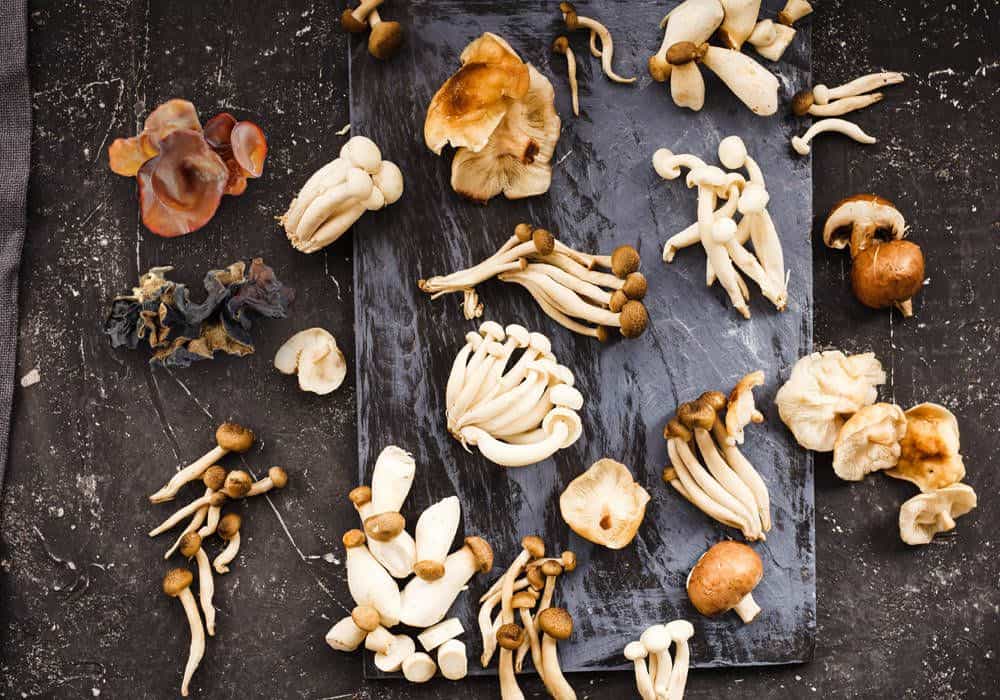
It is worth starting your adventure with Asian mushrooms with easily available dried ones. Mun mushrooms With a delicate flavor and unique texture, these mushrooms expand several times in volume after soaking. They can be used not only in traditional spring rolls, but also as a filling for Polish pierogi (making them slightly crispy) and as an addition to a warming żurek soup.
One of the secrets of the taste of Asian dishes lies in the inconspicuous Shiitake mushrooms. At first glance, they resemble brown button mushrooms, but they are much more aromatic. After soaking in warm water, they can be used like bay boletes or porcini mushrooms. They make an excellent addition to broths, vegetarian dishes, and meat dishes – just remember that their mushroom aroma is more intense than that of the more familiar mushrooms.
If you are in a hurry you can try it out Shiitake mushroom saucePerfect as a side dish for rice or pasta (not just Asian varieties), or as a base for mushroom soup. It's a great idea for a quick and warming dish, perfect for cold autumn and winter days, full of mushroom flavor and aroma.
And for those looking for mushroom inspiration, we encourage you to check out our recipesYou're sure to find something for yourself there.