



Diet for beautiful skin - Asian ways to make your skin look beautiful
How can you enjoy beautiful skin year-round? Diet and the nutrients we provide our bodies play a crucial role. What we eat affects not only our figure but also our skin. Asian cuisine offers a wide range of products rich in antioxidants, vitamins, and minerals that support the skin's natural regenerative processes.
Why do Asian women have beautiful skin?
Many Asian women, despite their age, still delight in smooth, radiant, and glowing skin. This is not only due to extensive skincare rituals, but primarily to their lifestyle and diet. A diet rich in vegetables, plant-based foods, fermented ingredients, and natural spices provides the body with essential vitamins, minerals, and antioxidants. These play a significant role in protecting cells from oxidative stress, which accelerates the aging process.
How does diet affect skin condition?
Skin is our body's largest organ and responds very quickly to nutrient deficiencies. A diet lacking vitamins, healthy fats, and antioxidants can lead to dryness, loss of firmness, and the appearance of imperfections. A well-balanced diet for beautiful skin, on the other hand, supports epidermal regeneration, improves hydration, and helps maintain a youthful appearance.
House of Asia expert and dietitian Aneta Korzeniecka emphasizes that Asian dishes provide not only nutritional value but also beauty-boosting ingredients. The foundations are leafy greens, legumes, fish and seafood, fermented foods, green tea, and aromatic spices. This combination provides antioxidants that protect cells from free radical damage, as well as ingredients that support the proper synthesis of collagen, responsible for skin firmness and elasticity.
What to eat to have beautiful skin?
The key is variety and choosing foods with high nutritional value. It's worth incorporating ingredients typical of Asian cuisine into your daily menu, which have long been valued for their skin-health-promoting properties.
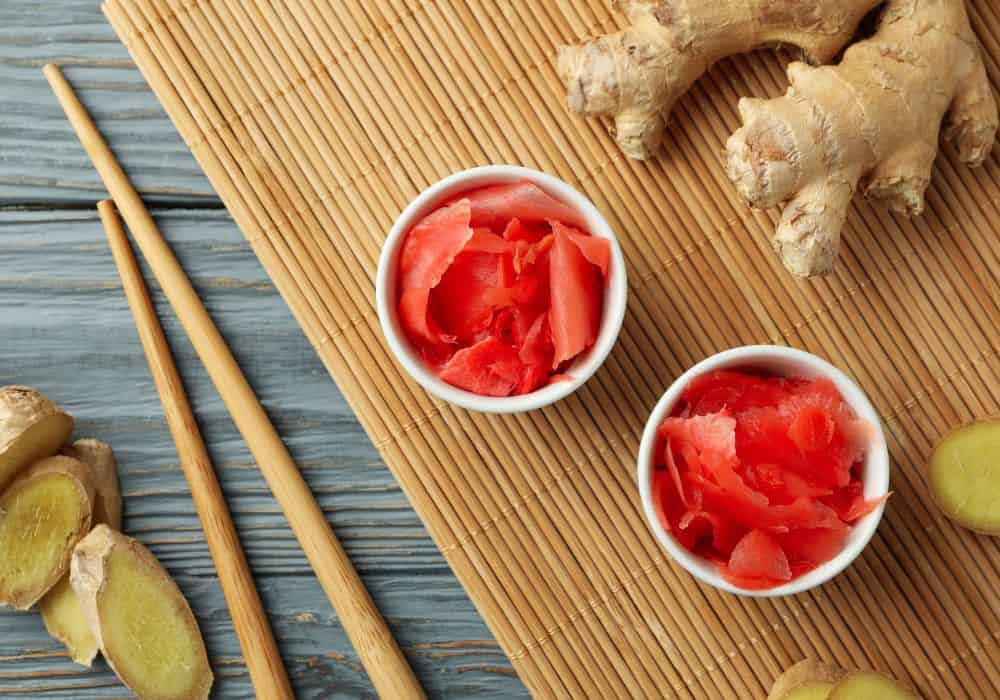
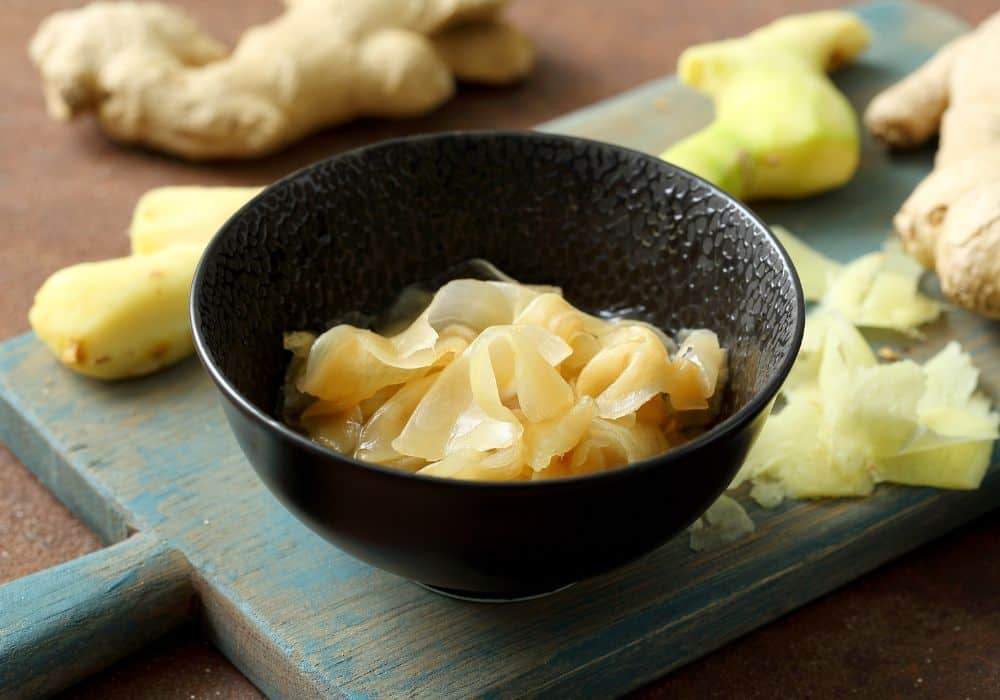
Ginger
Ginger is one of the most important ingredients. Known for thousands of years, it has powerful anti-inflammatory and antioxidant properties. It promotes blood circulation, which translates into better oxygenation and nourishment of the skin. It is also useful in controlling the aging process. Additionally, it helps reduce water retention and combat cellulite. Regular consumption of ginger can make skin appear more radiant and firm.
It is worth remembering that including ginger in your daily diet does not have to involve time-consuming peeling or grating – a convenient alternative can be a ready-made ginger paste, which allows you to quickly add it to soups, sauces, marinades or stir-fry dishes.
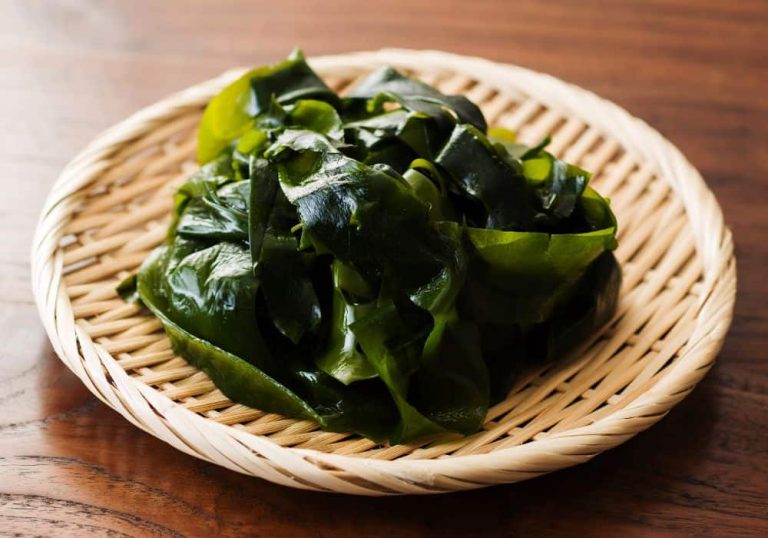
Algae, i.e. nori, kombu and wakame
Algae such as Cloud, kombu and wakame, a true treasure trove of minerals and B vitamins. They are especially recommended for people living under stress and exposed to environmental pollution. They support epidermal regeneration, improve hydration, and protect against free radicals. Their presence in the diet can significantly improve the condition of skin, especially mature skin.
Algae are also a very good natural source of iodine – a nutrient essential for the proper production of thyroid hormones. However, people with thyroid disease, pregnant and breastfeeding women, and those taking iodine supplements should consume them with caution and not exceed the recommended daily allowance without consulting a specialist, as excess iodine can also disrupt thyroid function.
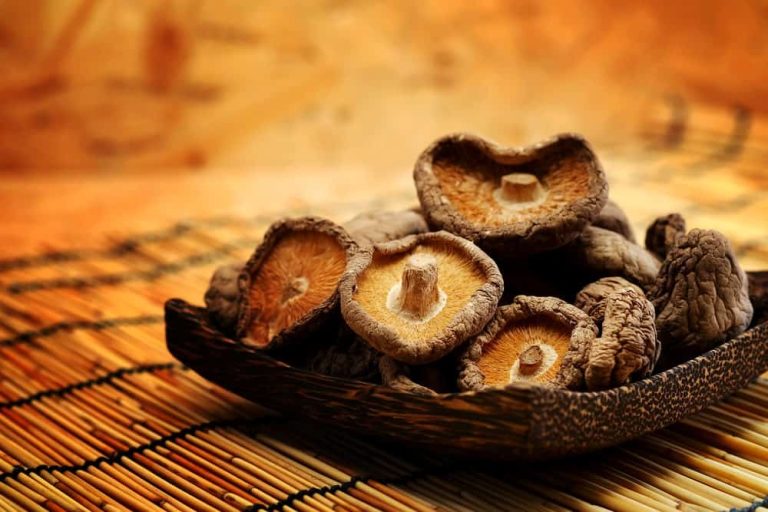
Shiitake, mun and white fungus
Mushrooms shiitake, mun and fungi They have been used for years not only in cooking but also in cosmetology. They have anti-aging properties and possess antioxidant, antimicrobial, and anti-inflammatory properties. They support collagen production, strengthen connective tissue, and help prevent wrinkles. Additionally, they are a valuable dietary component, containing fiber, beta-glucans, and bioactive compounds that support immunity and regulate intestinal function.
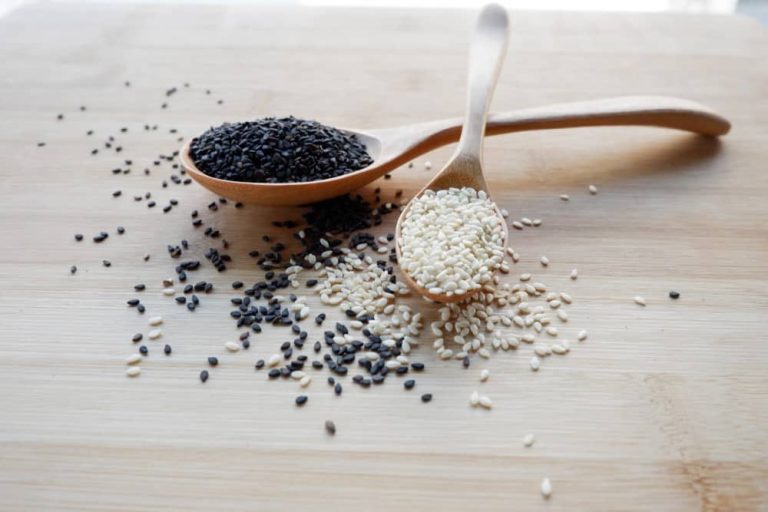
Sesame
Sesame, both white and black, an ingredient rich in calcium and antioxidants. Black sesame is especially recommended for those leading a busy lifestyle. It supports the body's regeneration, has anti-inflammatory properties, and helps maintain healthy skin. It can be used both in diet and in home care rituals. An example is a simple mask containing freshly ground sesame seeds combined with honey or plain yogurt.
Kimchi
Kimchi, or fermented vegetables, are a true health powerhouse. They support gut health, which has a direct impact on skin condition. Healthy intestinal microflora helps reduce inflammation and improves the overall appearance of the complexion. Additionally, kimchi provides vitamins and antioxidants that support the fight against free radicals.
Discover unique recipes for healthy skin
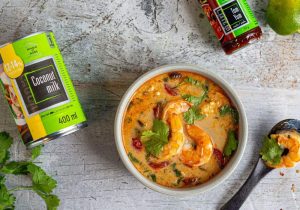
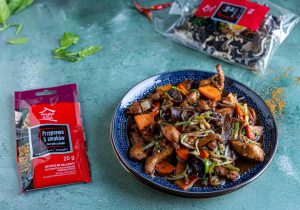
Incorporating these ingredients into your diet doesn't have to be difficult. Just try inspiring recipes like wakame seaweed and cucumber salad, aromatic miso soup or warming Tom Yum soup with shrimp.An excellent choice would also be Chinese-style chicken with mushrooms and/ or power bowl with kimchi and quinoaThese dishes not only taste delicious, but also support skin health from the inside.
Diet for beautiful skin – summary
Beautiful skin doesn't start in the makeup bag, but on your plate – and that's why what we eat every day is so crucial. A diet for beautiful skin should be based on natural, unprocessed foods that nourish the body from the inside and support its natural regenerative processes.
Asian cuisine is a great inspiration here, combining lightness with a wealth of skin-supporting ingredients—such as ginger, algae, shiitake mushrooms, sesame, and kimchi. Regularly consuming these products helps improve skin hydration and elasticity.
Just a few conscious changes to your daily menu will gradually make your skin look healthier, fresher, and more radiant – without complicated diets and restrictions.
Asian dishes boast a number of health-promoting properties, but individual ingredients also positively impact our beauty. It's no surprise, then, that Asian cuisine is gaining popularity. At the base of the Asian food pyramid are foods recommended for daily consumption: leafy vegetables, legumes, fruits, fish and seafood, fermented foods, green tea, and herbs and spices. This combination of ingredients provides our bodies with the right nutrients and antioxidants, which, in turn, protect cells from damage caused by free radicals.
Aneta Korzeniecka, clinical dietitian, House of Asia expert