HOUSE OF ASIA
See the recipeHits
Ingredients
Diets


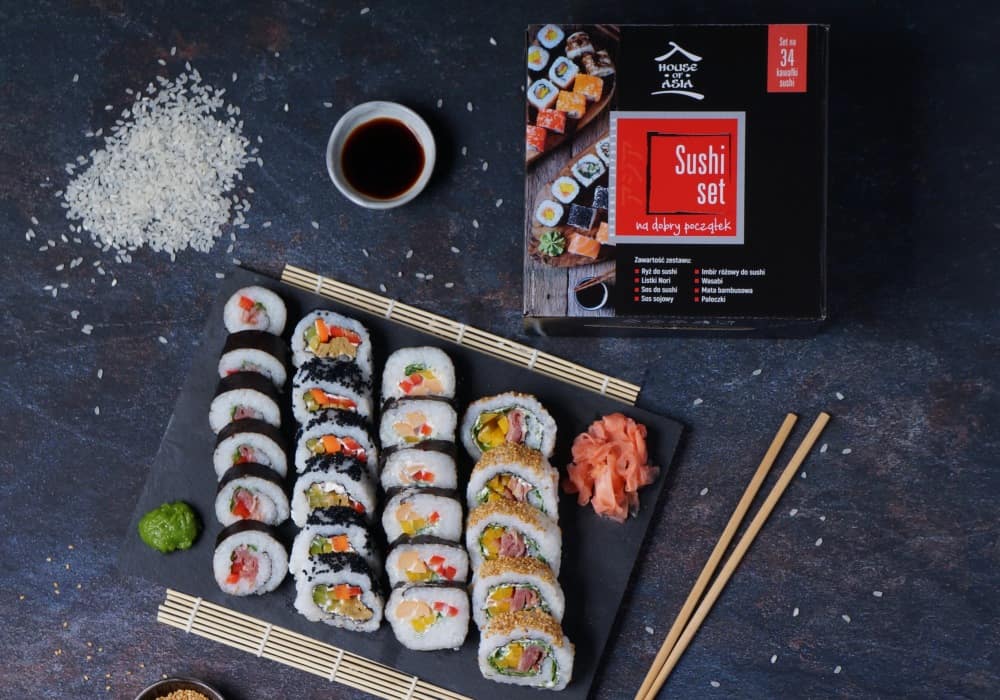


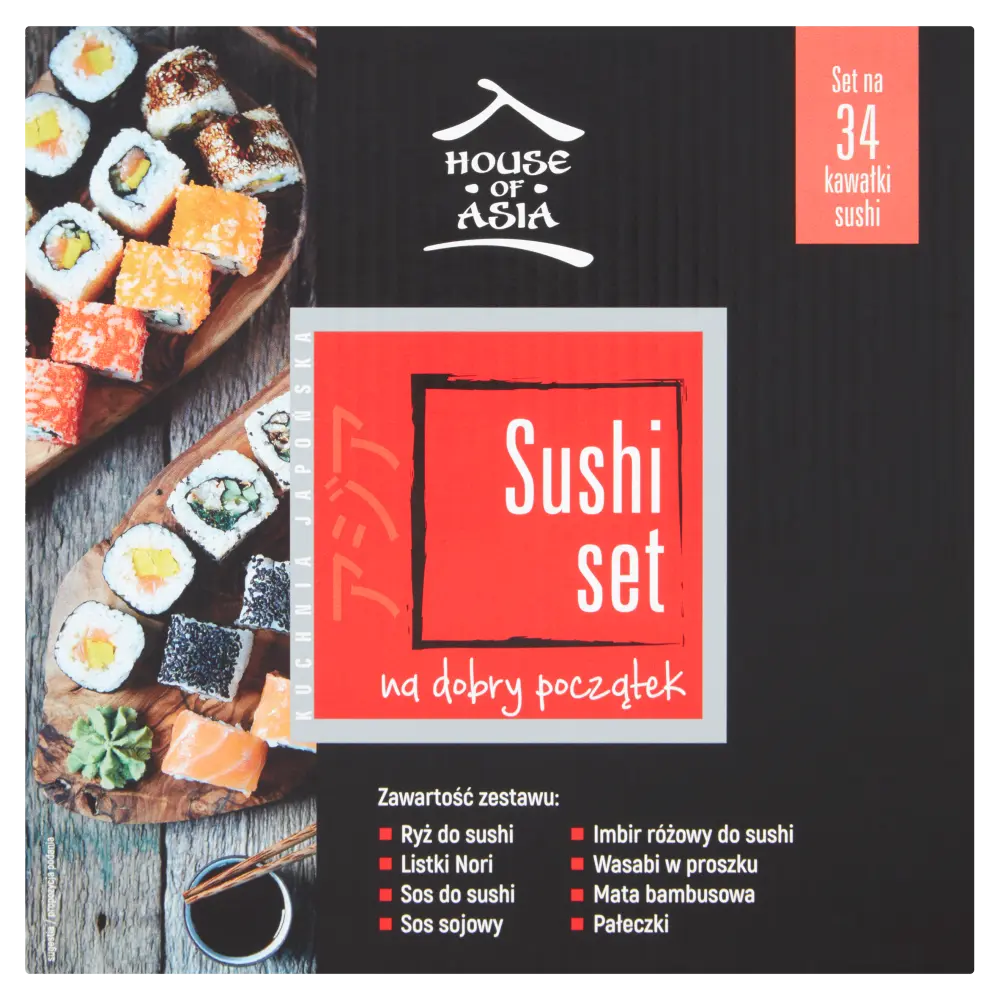
Do you love sushi and would like to prepare it at home, but don't know how to go about it? o_chochelka comes to the rescue. Take advantage of our kit, which includes everything you need to create delicious homemade sushi. See for yourself!
Making your own Japanese rolls is a cost-saving way to save money and a fascinating ritual. This gives you complete control over the quality of your ingredients. Restaurants often limit you to a fixed menu, but in your own kitchen, the only limit is your imagination. This allows you to create compositions perfectly suited to your taste buds. Homemade sushi is also a great excuse to meet with loved ones. A regular dinner can turn into a shared cooking workshop, where everyone rolls a roll according to their own idea. The satisfaction of making your own futomaki or nigiri The joy of ordering a ready-made meal exceeds the joy of ordering a set. The freshness of the fish and the crunch of the vegetables, hand-picked at the market, guarantee a meal of the highest quality.
Gathering the right accessories before you begin will make cooking much easier and ensure your rolls look aesthetically pleasing. The key to success is a very sharp knife, preferably a yanagiba or santoku. This allows for precise slicing of the fish and the finished rolls without tearing the delicate nori seaweed or crushing the rice. A bowl for preparing the rice is equally important. A wooden hangiri works best, as it absorbs excess moisture, although a wide ceramic bowl will also suffice at home. Remember to use a small bowl of water to moisten your hands. This prevents the grains from sticking to your fingers and allows for smooth shaping. Good workspace organization, meaning pre-chopping and preparing all the ingredients within easy reach, is half the battle in Japanese culinary art.
The nutritional value of sushi depends on the ingredients used, but most varieties can be a light and well-balanced meal. A serving of sushi (about 6–8 pieces) typically provides around 200–350 kcal, depending on the type of fish and toppings.
Rice is the main source of carbohydrates, which provide energy. Fish—especially salmon and tuna—are rich in high-quality protein and omega-3 fatty acids, which are beneficial for the heart and circulatory system. Sushi also often includes vegetables and nori seaweed, which provide vitamins, minerals, and fiber.
Thanks to this, sushi can be a meal that is both filling and provides many valuable nutrients.
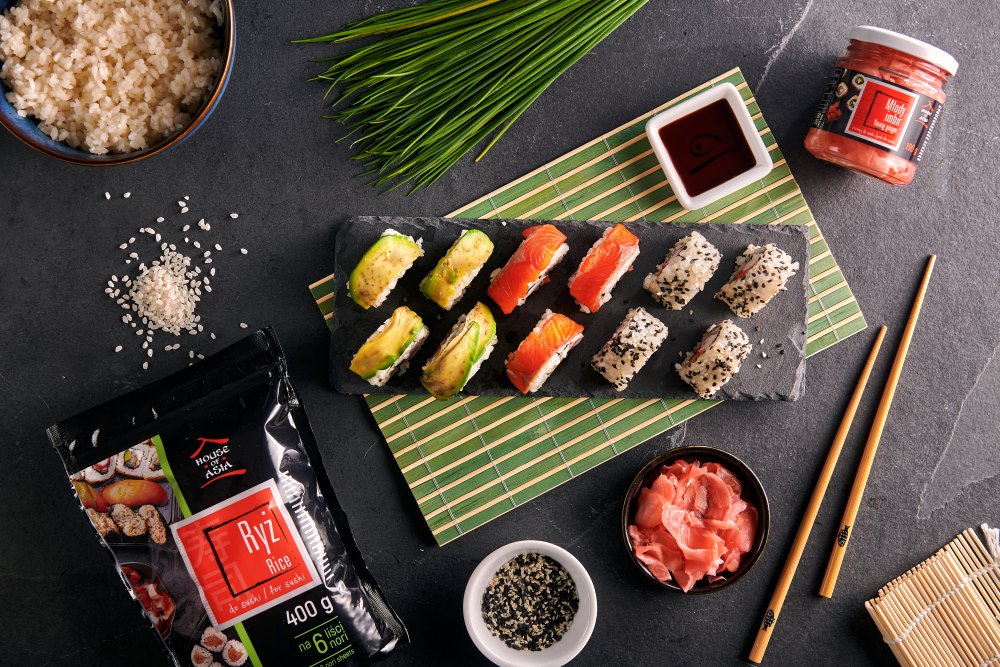
The secret to perfect sushi lies not in the fish, but in the rice, so choosing the right variety is crucial. Choose only short-grain rice (often labeled "sushi rice") or varieties like koshihikari. These are characterized by a high starch content, which is responsible for the stickiness after cooking. Regular long-grain rice, jasmine rice, or basmati rice won't work in this case. Their grains are too loose and dry, causing the roll to fall apart when you try to cut it. A good grain should be pearly and slightly rounded. It retains its elasticity after proper preparation and forms a cohesive whole with the vinegar dressing.
Forming perfectly round or square rolls takes some practice, but the right tools make the process much easier. The basic accessory is bamboo matThis allows for even pressure distribution along the entire length of the roller, ensuring a consistent final product. It's a good idea to wrap the mat in plastic wrap before starting work. This prevents rice from getting into the gaps between the sticks and makes cleaning much easier later – for more tips, check out our article on wrapping sushi with a bamboo matYou can also try using a thick kitchen towel covered with baking paper, or just cling film if you don't have a mat. However, this requires more skill in shaping the roll.
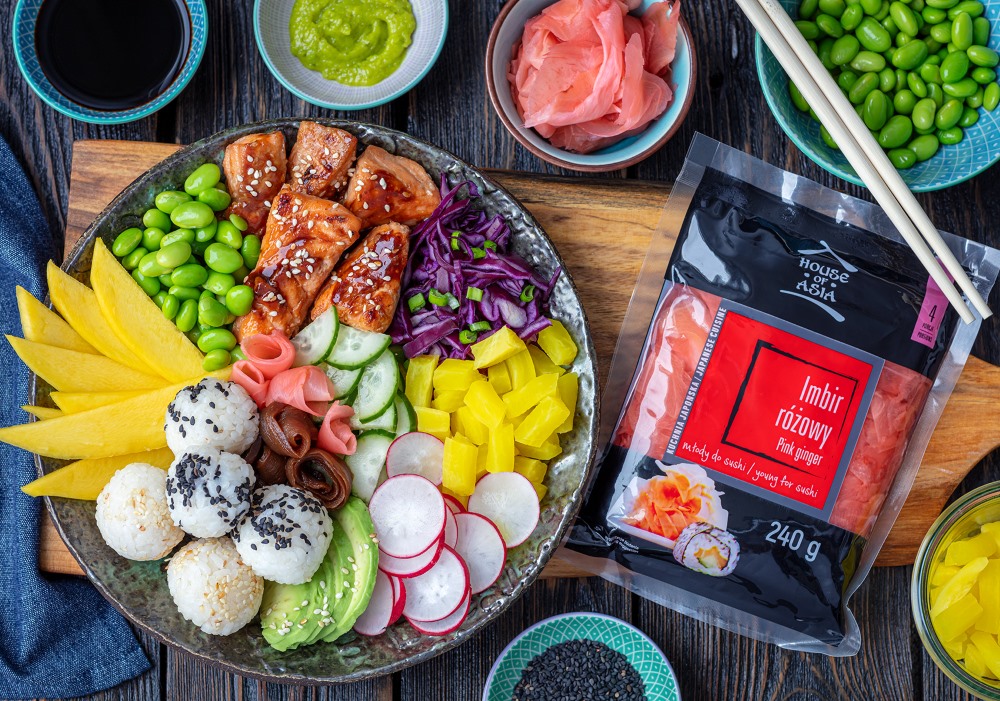
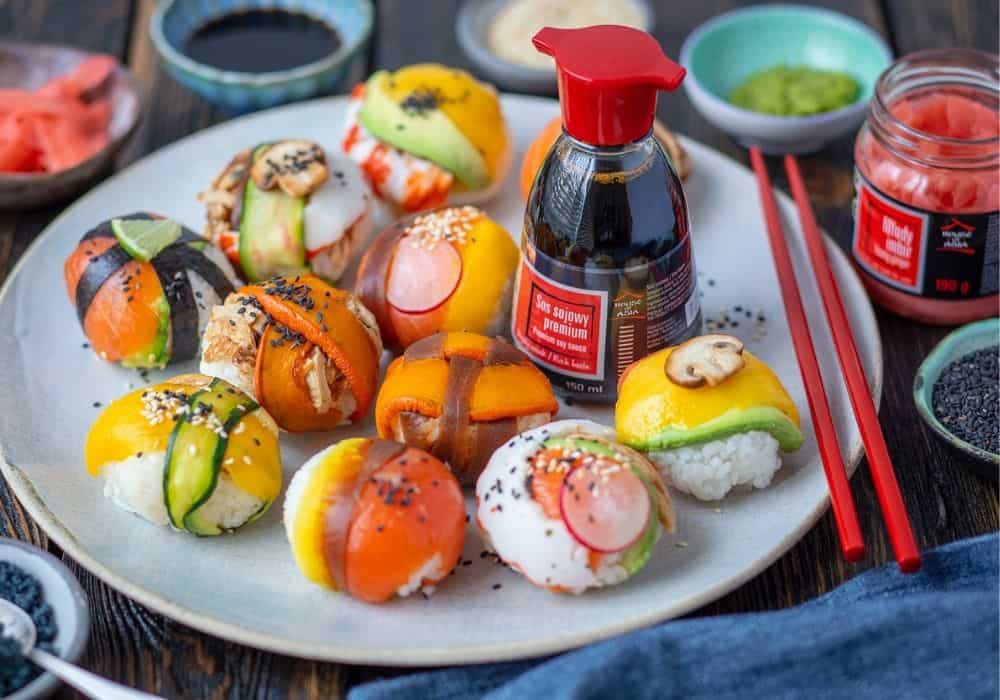
Choosing ingredients for homemade sushi is the time to give yourself complete freedom, combining classic styles with modern fusion trends. The foundation, of course, is fresh fish, such as salmon or tuna. Be sure to buy products labeled "sushi grade," which guarantees they're safe to eat raw. Shrimp tempura, baked salmon, surimi sticks, or smoked butterfish are a great alternative for those avoiding raw foods. They add interesting textures and smoky aromas to the dish. Vegetables are an essential element, providing crunch. Fresh cucumber (preferably without the core), creamy avocado, and pickled oshinko turnip are a staple of many sushi masters. It's also worth experimenting with Philadelphia cheese, tamago (Japanese omelette) or even fruit like mango. They go perfectly with the sharpness of the wasabi and the saltiness soy sauce.
Of course! Instead of fish, you can use a variety of vegetables – for example, fresh cucumber, avocado, carrots, bell peppers, or pickled radishes. Tofu, marinated mushrooms, or sweet tamago omelets in a vegan version are also excellent. Thanks to these ingredients, the sushi retains its characteristic texture and flavor while remaining completely plant-based. These variations are ideal for those avoiding animal products and also make great colorful, light, and healthy snacks.
We do not recommend this solution. Sushi rice It tastes best and has the perfect consistency when freshly cooked and cooled to room temperature. Storing it in the refrigerator causes the grains to harden, dry out, and lose their characteristic stickiness. This negatively impacts the flavor of the entire dish.
The key is a very sharp knife and proper technique. Wet the blade with water before each cut to prevent the rice from sticking to the metal. Use firm, back-and-forth motions. Avoid pressing the knife downward, as this can crush the roll.
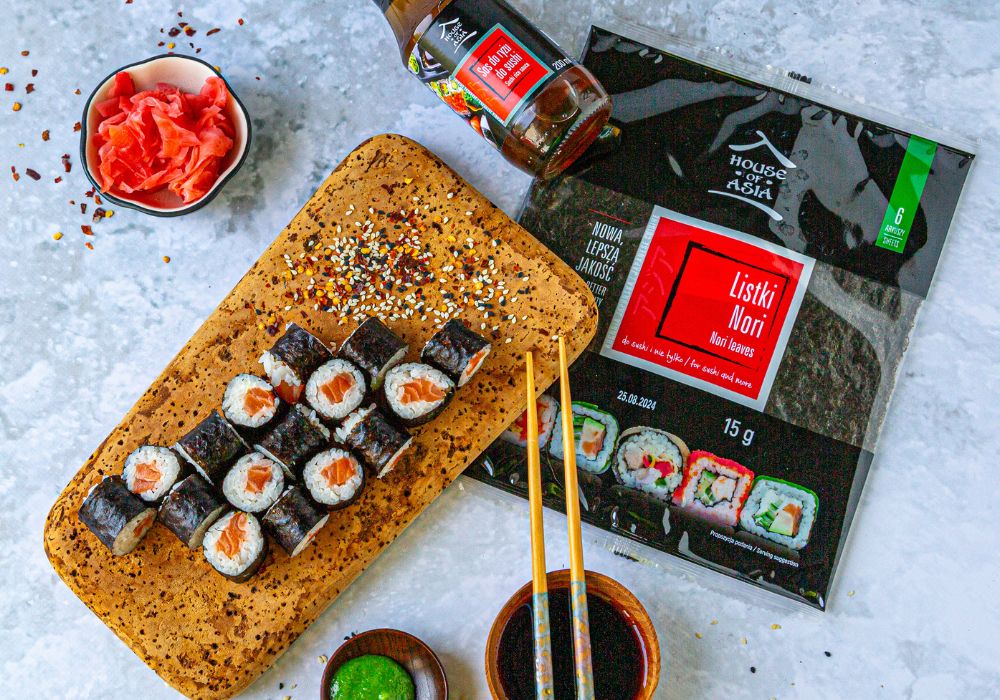
Nori leaves They have two sides: a shiny, smooth side and a matte, rough side. Place the rice on the rough side, which will help it adhere to the algae. The shiny side should face outward in the finished roll, ensuring its aesthetic appeal.
Rice vinegar provides the most authentic flavor, but in an emergency, you can substitute apple cider vinegar. It has a similar, delicate acidity. However, avoid regular spirit vinegar. It is too sharp and will overpower the subtle flavor of the rice and other ingredients.
Tradition dictates that a little bit of wasabi between rice and fish, especially in nigiri. However, you can skip this step at home, especially if you're preparing a meal for children or people who don't like spicy food. In such cases, serve wasabi only as a separate accompaniment on the plate.



































 Vegetables
  Japanese
  over 30 minutes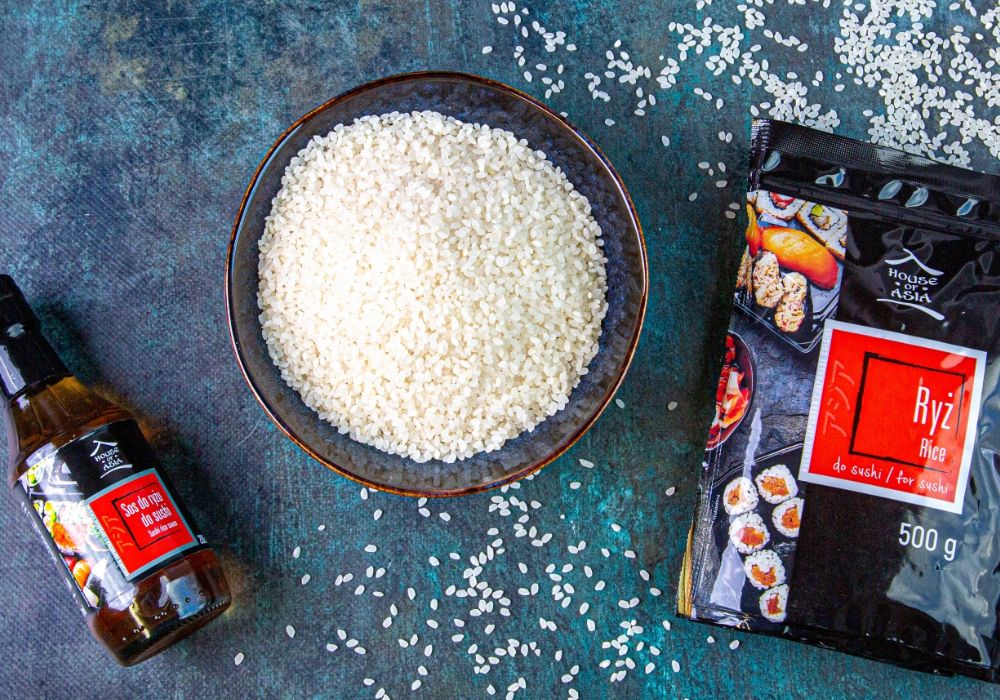
 Ryba
Ryba 
 Shrimp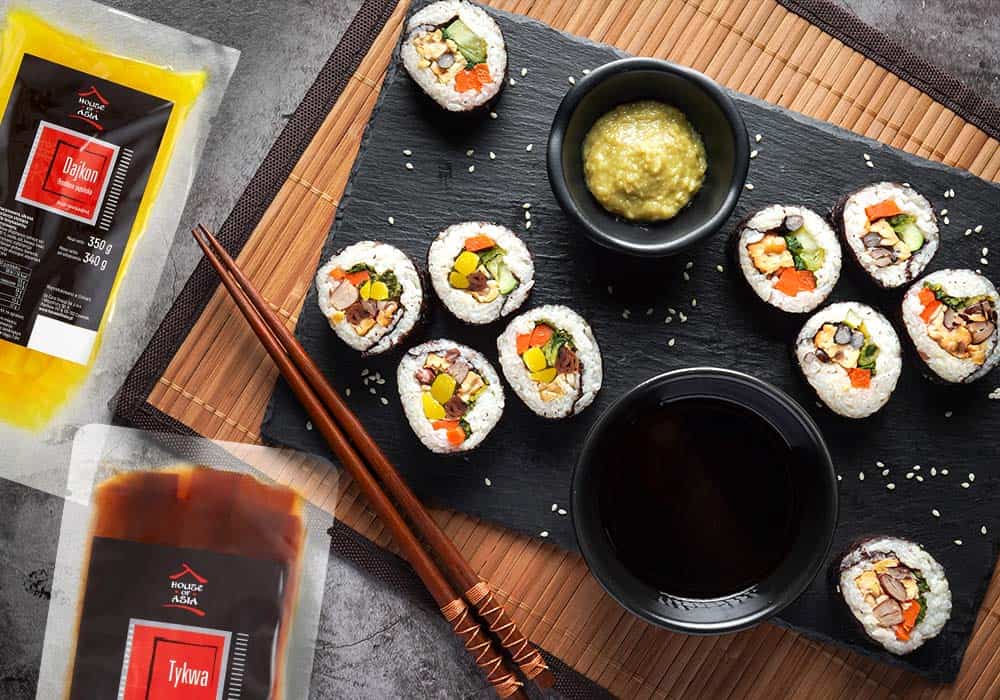
 Rice
Rice