


What exactly is Hot Pot and where does it come from?
Traditional Hot Pot comes from China, where it is known as huoguoIts concept is based on communal cooking at the table. A pot of boiling broth is placed in the center, and participants independently add raw ingredients. In Asian culture, the hot pot is a symbol of community, making eating an interactive experience.
It is also worth mentioning the Korean variation known as kneelIt differs from the Chinese original in that the ingredients are first placed in a bowl and only then poured with the broth. This is a nod to traditional court cuisine, where the aesthetics of the dish were as important as its taste. Regardless of the variant chosen, the cauldron is a universal solution, in line with the zero-waste concept, as everyone cooks exactly what they feel like at the moment.
How to prepare a traditional "hot pot"?
Preparing this Asian dish at home requires, above all, proper organization. Preparing the cooking station and choosing a distinctive flavor base in which diners will dip the raw ingredients are key.
What equipment will you need?
The original version uses a special pot with a divider, allowing two different broths to be cooked simultaneously, heated on a built-in induction cooktop. However, at home, a wide pot and a portable gas or electric stove on the counter will suffice. It's important that each guest has easy access to the simmering broth. If you don't have a portable stove, you can boil the broth on a traditional burner and serve smaller, hot portions to the table to steam the ingredients.
Which broth should I choose?
The broth forms the basis of the entire dish, and the flavor selection is wide: from a mild chicken broth with a distinct note of ginger and garlic, to a spicy Sichuan version with the addition of local pepper. In the Korean version, the base is often gochujang paste combined with kimchi, giving the dish a distinctive, sour-spicy profile.
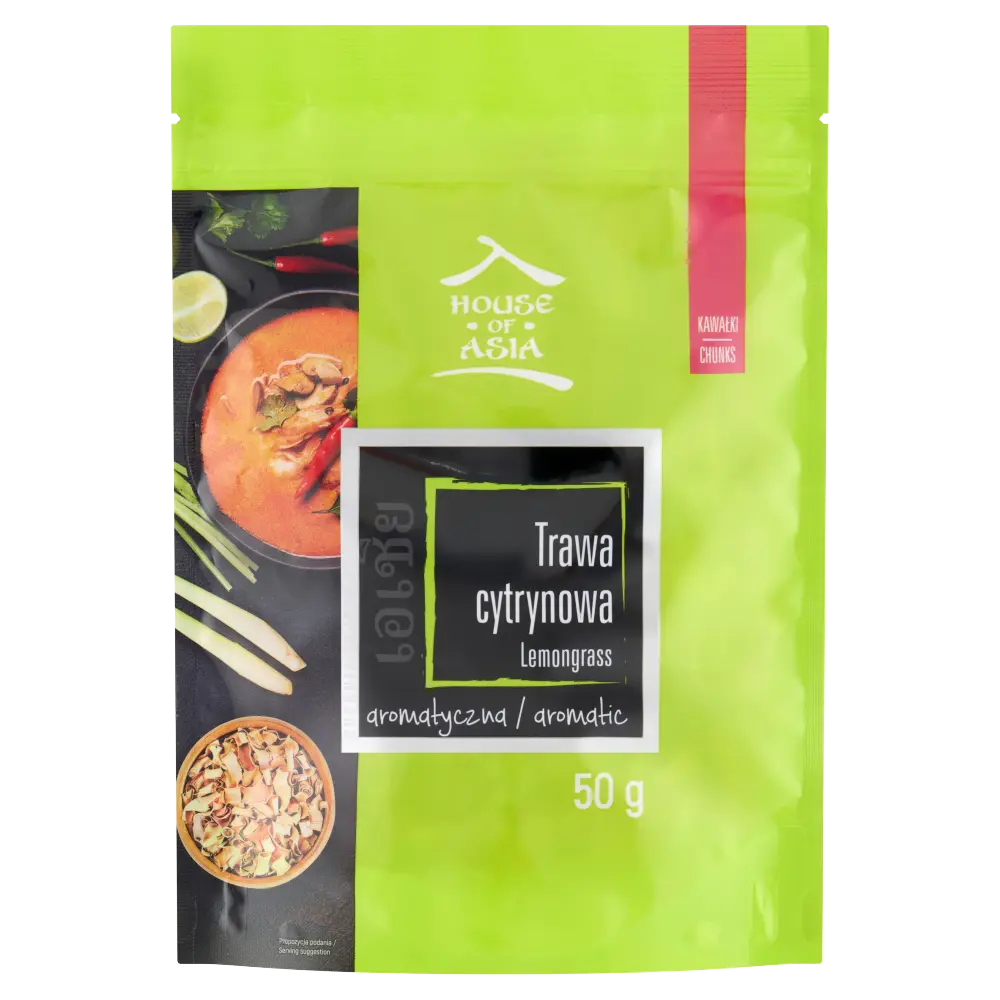
To give the dish a refreshing, citrusy flavor—a characteristic of Southeast Asian cuisine—add crushed lemongrass to the broth. The essential oils it releases effectively offset the broth's heavier flavor notes.
Step-by-step preparation method
Once the broth is ready, place it over a heat source and bring it to a boil. Once the guests start adding the ingredients, it's a good idea to lower the temperature slightly to maintain a gentle simmer. Meanwhile, participants can create their own dipping sauces in bowls. Cooking time depends on individual preferences – everyone can fish out the ingredients themselves when they feel they're soft enough.
The most popular Hot Pot additions
The advantage of a hot pot is the ability to choose almost any ingredients. Raw ingredients are placed on platters, then poured into the broth, and then cooked directly onto the diners' plates. Below is a list of the most common accompaniments to this dish.
Various vegetables
Fresh vegetables absorb the flavor of the broth and add texture to the meal. Chinese cabbage, pak choi, and fresh spinach are good choices for cooking. Large-leafed vegetables are especially effective, as they cook quickly.
Meat and/or seafood
A classic choice is beef, cut into very thin slices, which cook in the broth in seconds. Seafood, including shrimp and squid, can also be added to the pot. Chicken breast, however, is best avoided – as a lean meat, it quickly loses moisture, making it tough and dry after cooking. Furthermore, raw poultry carries a higher risk of microbial contamination (e.g., Salmonella or Campylobacter bacteria). In a hot pot, where ingredients are often only briefly submerged in the broth, it's easy to undercook the meat or transfer microorganisms to other ingredients.
Pasta or rice
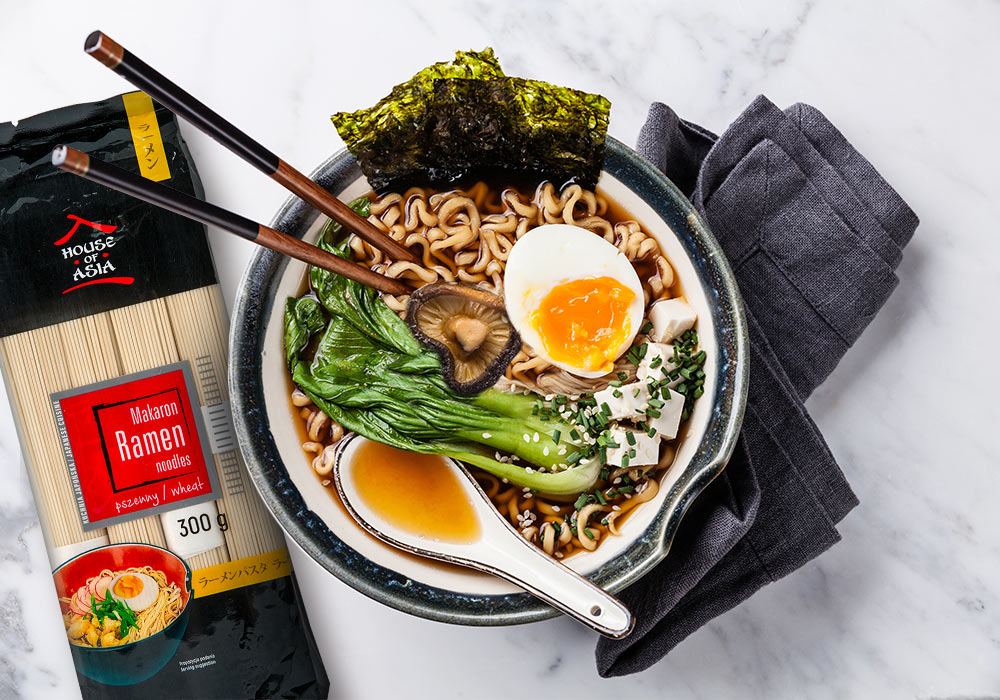
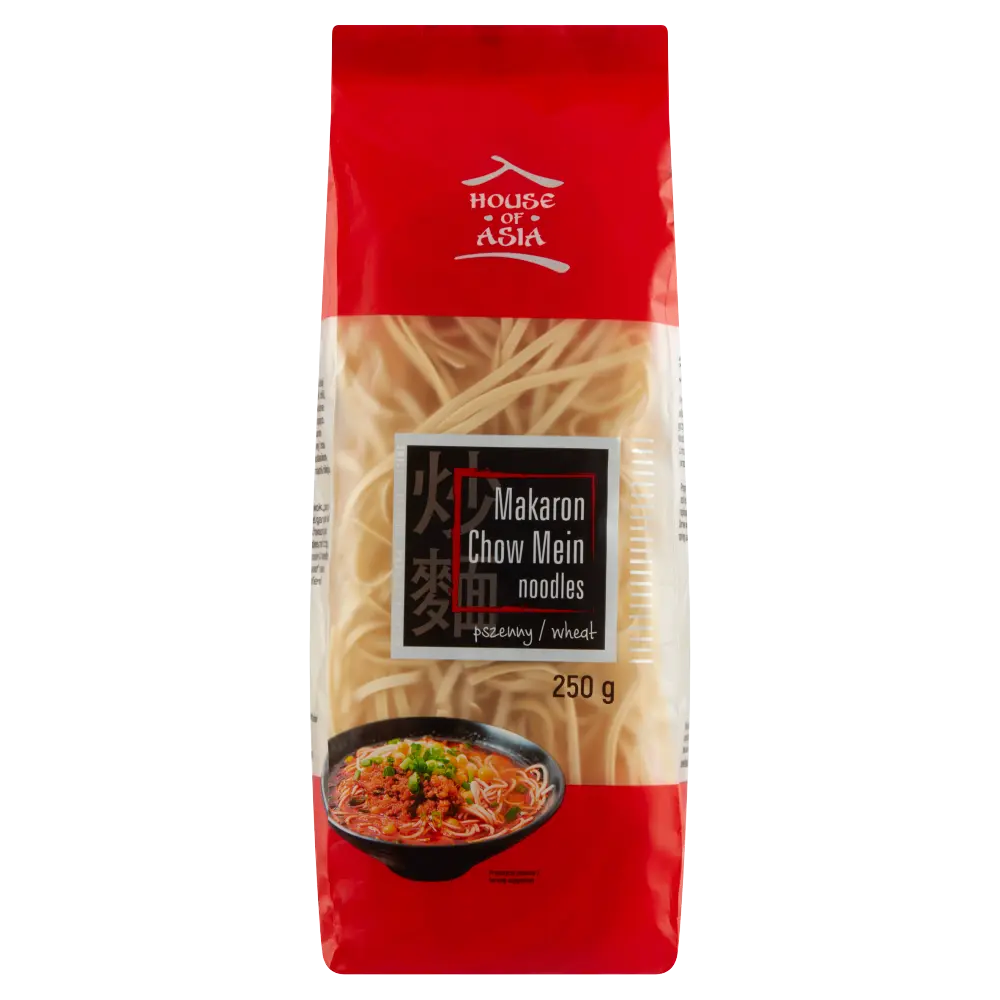
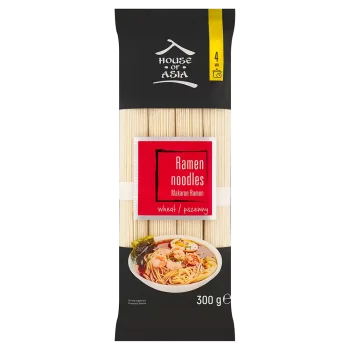
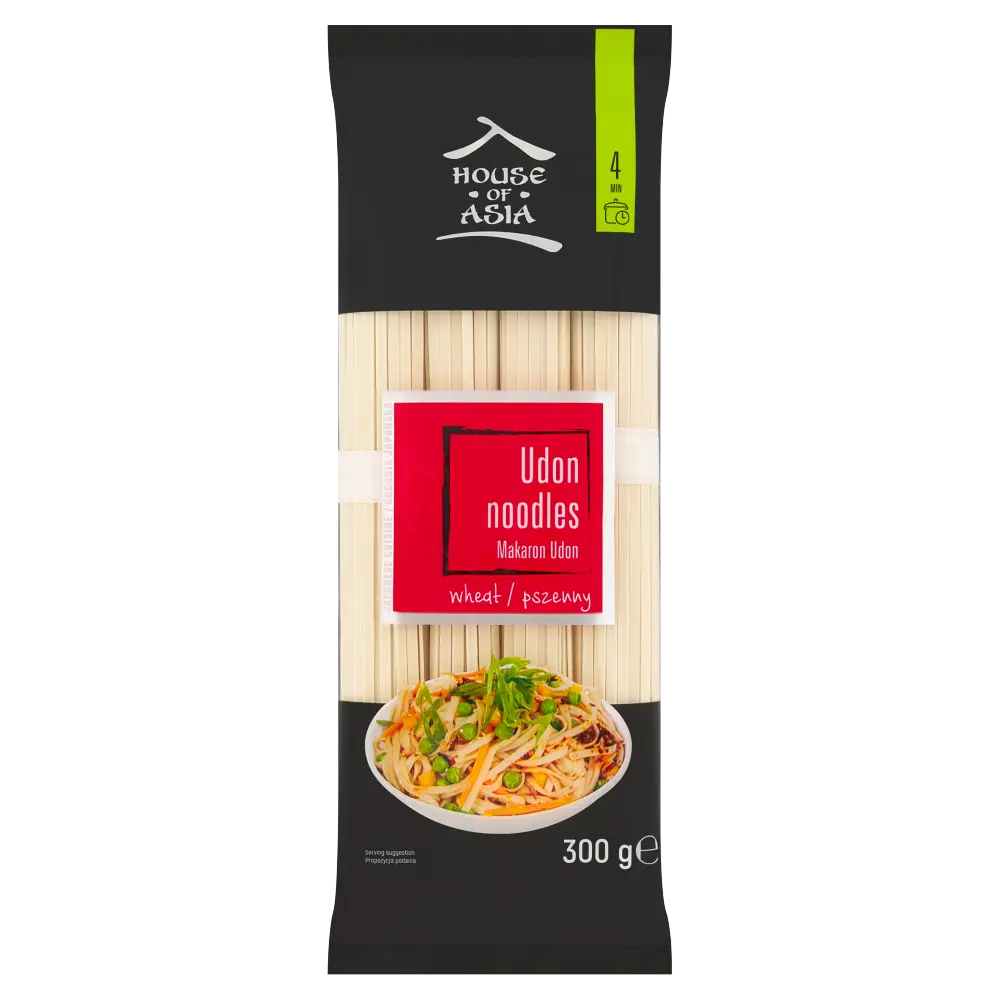
The carbohydrate base of the dish is often Asian noodles, which absorb the aromatic broth well. In the case of fresh noodles, such as udon Windows, they are usually pre-cooked – they only need to be briefly heated in a pot by immersing them in the broth for a few dozen seconds. This allows them to retain their springy structure and prevent overcooking. An alternative is loose rice served in individual bowls, which provides a neutral backdrop for the intense flavors.
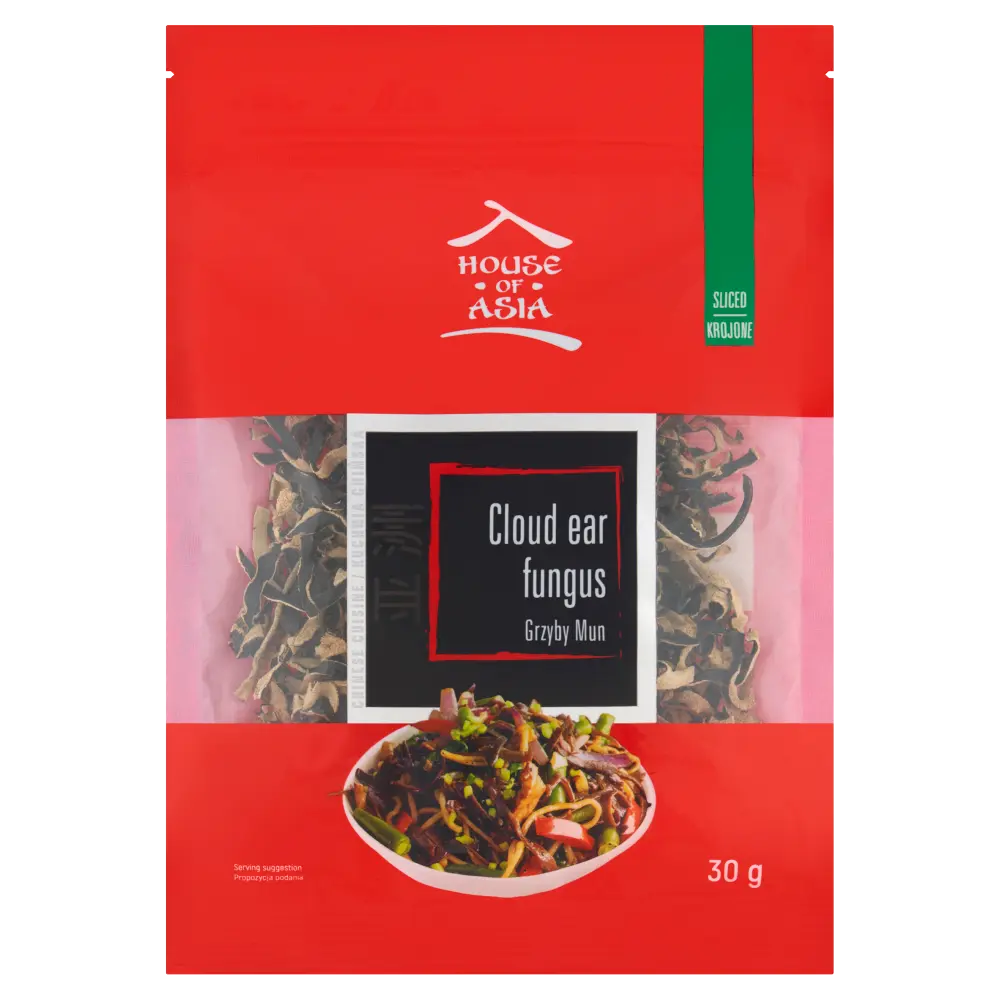
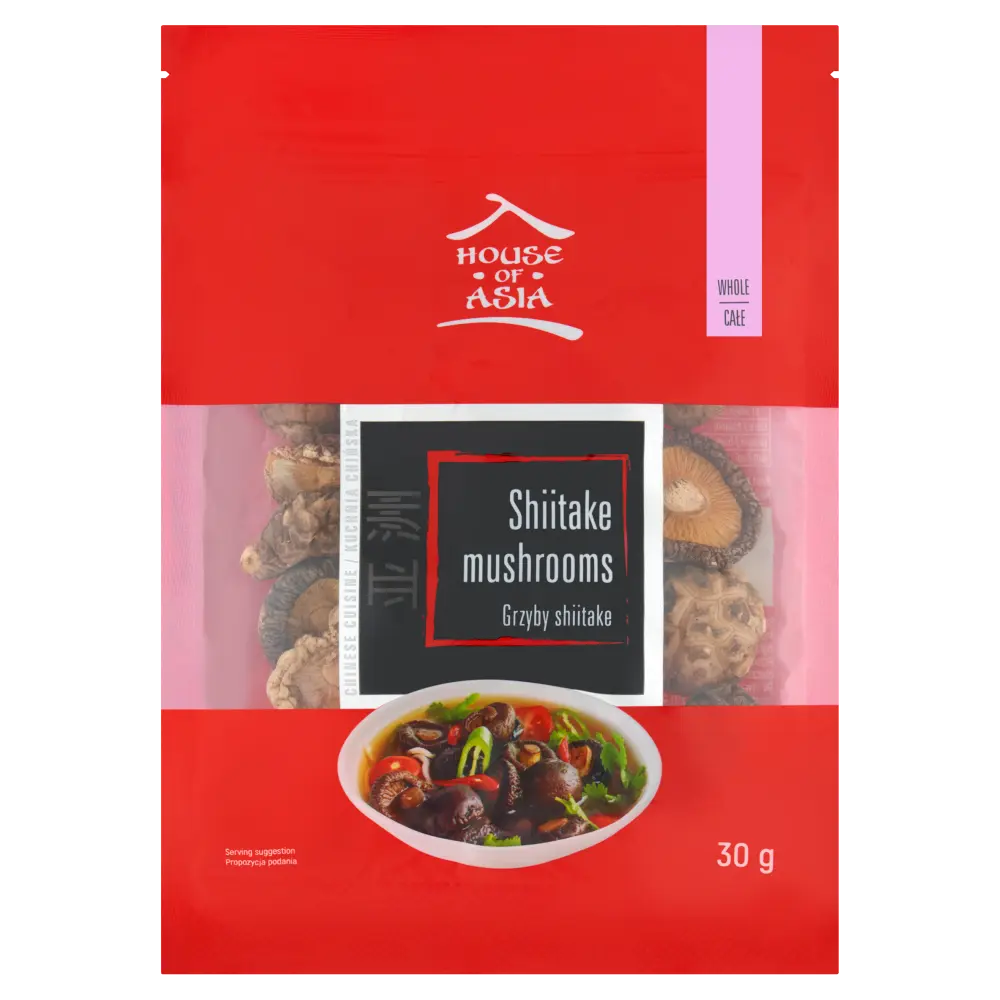
Enoki, shiitake or mun mushrooms
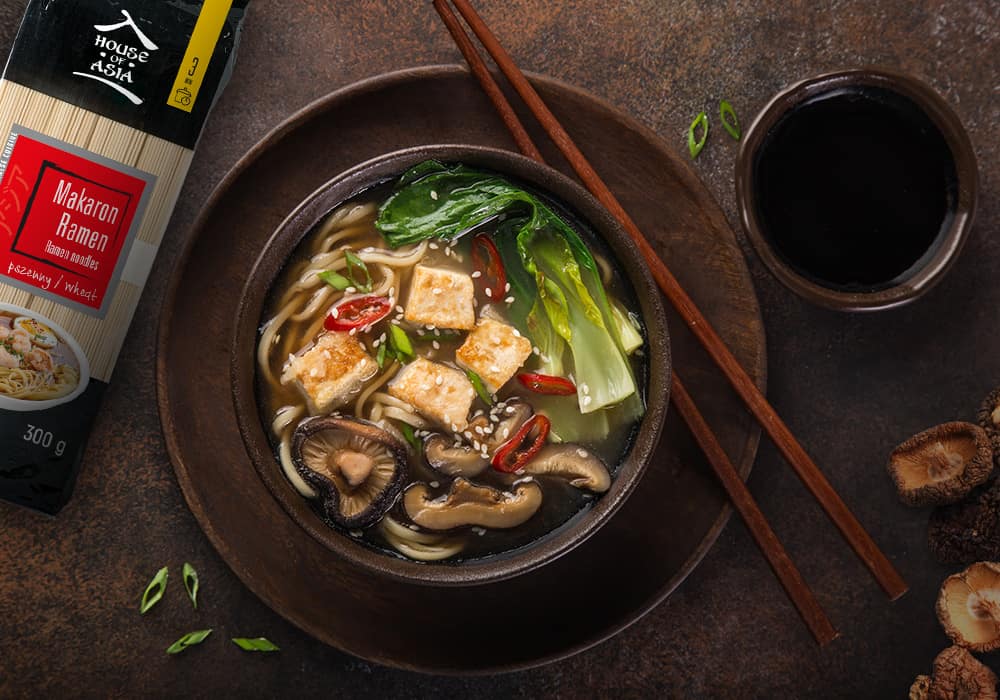
Asian mushrooms are an important element of the dish due to their springy structure and ability to absorb the broth's aroma. Meaty mushrooms are perfect for this. shiitake mushrooms in brine, slightly crispy sliced mun mushrooms and delicate, elongated enoki mushrooms.
Tofu
This soy product absorbs flavors exceptionally well. It's best to cut tofu into thick cubes. Heat causes its structure to become porous, allowing it to absorb broth and retain its juiciness.
Other accessories
You can also add Asian meatballs, fish balls or Korean meatballs to the pot. tteokbokki, or springy rice dumplings. When using ready-made semi-finished products, monitor their cooking time to avoid overcooking.
Aromatic spices that will add depth of flavor
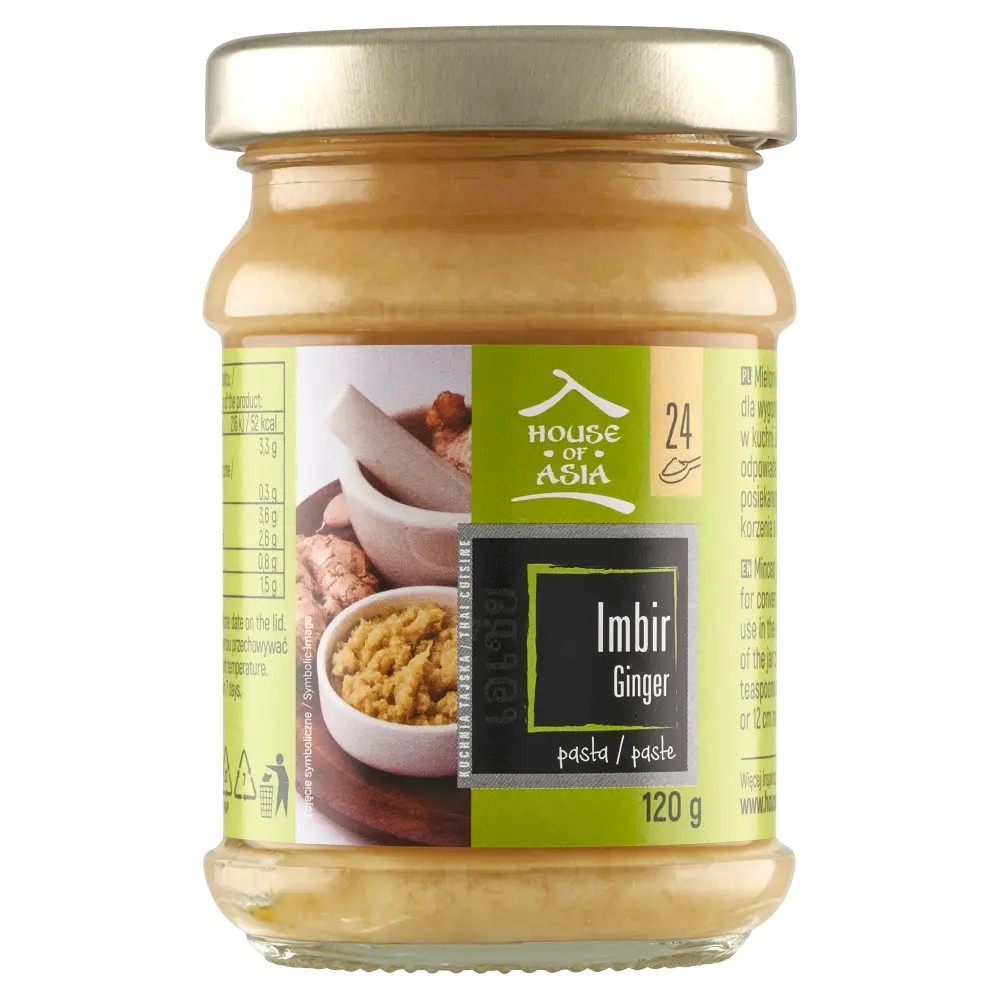
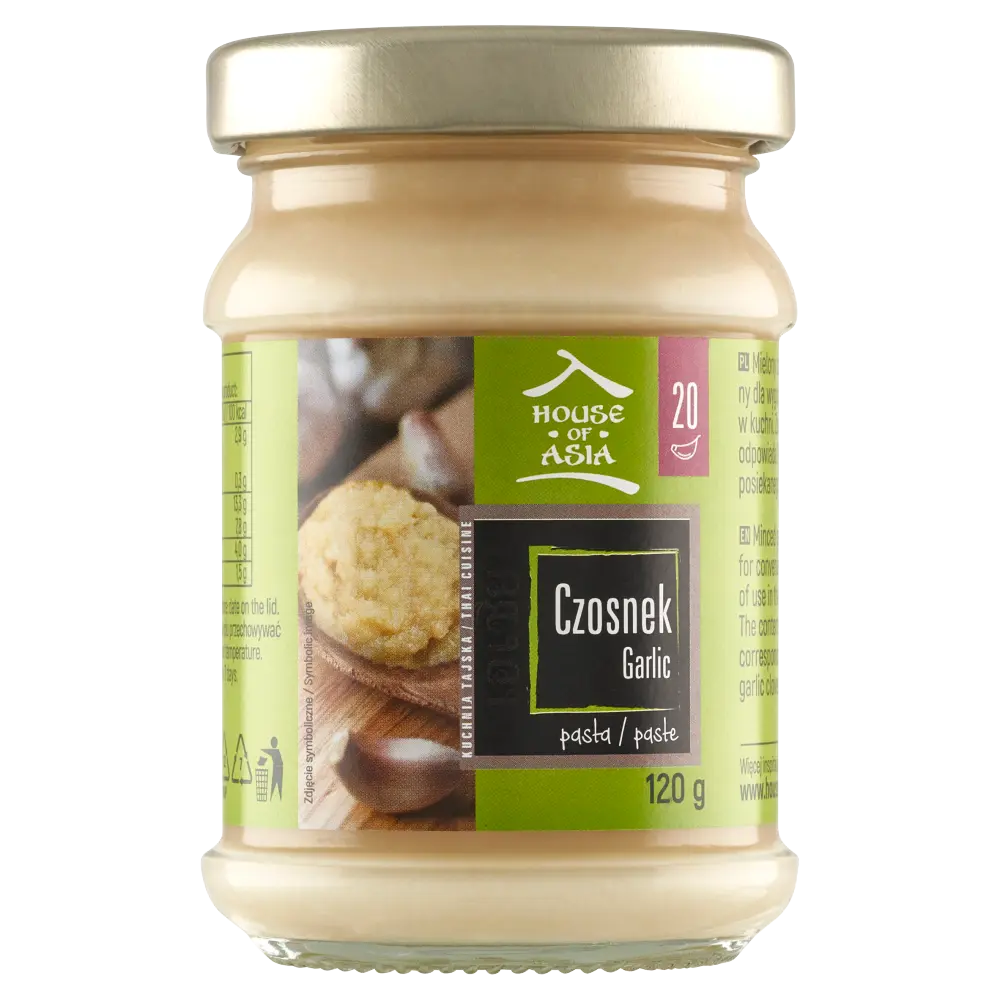
Hot pot broth is based on distinctive ingredients. In addition to fresh ginger and garlic, carefully selected spices influence the final profile of the dish. Star anise and cinnamon are often used, introducing spicy notes. The dipping sauce is equally important. Its base is usually a thick sesame or peanut paste, which is combined with soy sauce, chili oil, chopped garlic, and fresh cilantro. The proportions depend solely on the eater's preferences.
Additional tips and protips
Organizing such a meal involves a few practical rules. The proper order in which ingredients are added to the broth is crucial: ingredients requiring longer cooking (firm root vegetables, meatballs) should go into the pot first, followed by thin slices of meat and pasta. Food safety is also crucial: use separate tongs or chopsticks for serving raw foods and separate ones for eating.
 Pasta
Pasta  Japanese
  15-30 minutes
 Vegetables
  Vietnamese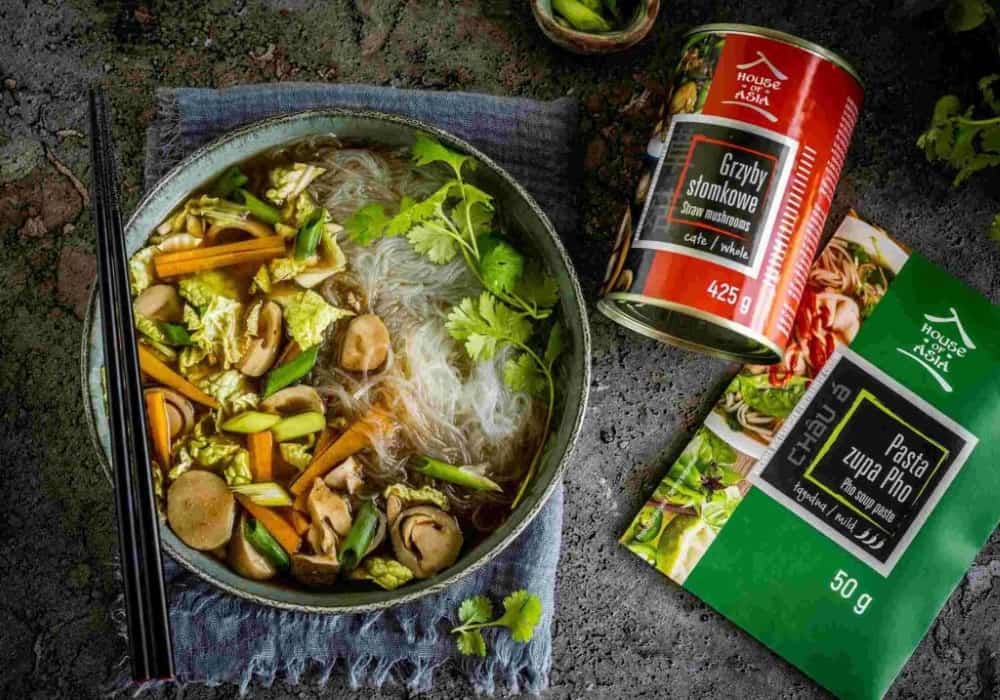
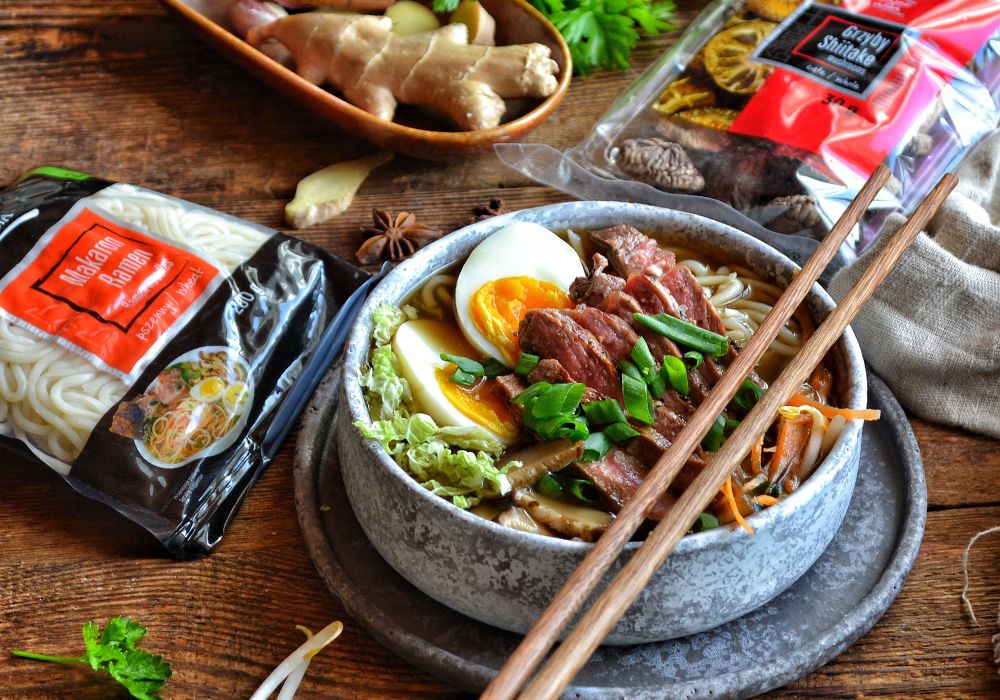

 Chicken
  Thailand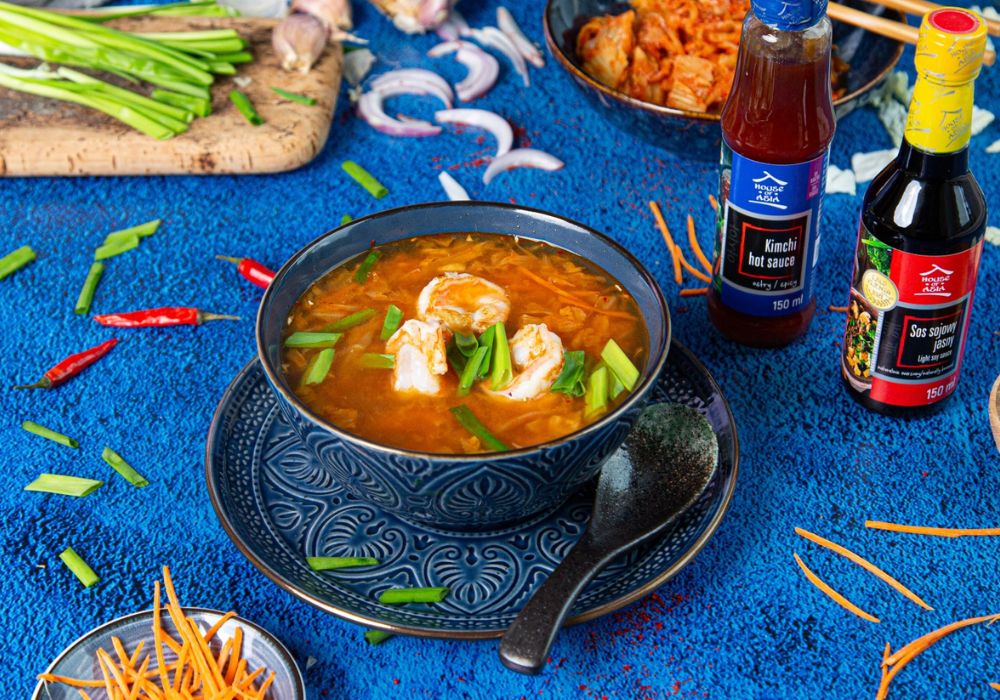
 Korean