


How do they cope with high temperatures?
According to Traditional Chinese Medicine (TCM), all phenomena surrounding us can be divided and described according to two opposite, mutually complementary forces. yin i that i.e., cold and hot. To maintain health and well-being, it is essential that these forces remain in balance.
Summer is the season described as the most yang, or hot period. It is a time of greatest activity, energy, and growth, during which yang excess can more easily occur, manifesting as a feeling of intense heat, dehydration, constipation, inflammation, increased blood pressure, and insomnia. This is when we should take care of yin by staying well-hydrated and consuming cooling foods. Most vegetables and fruits consumed raw have cooling properties. According to Traditional Chinese Medicine, the following foods are particularly recommended during summer:
- Vegetables: lettuce, cucumbers, radishes, broccoli, zucchini, asparagus, celery
- Fruits: apples, strawberries, watermelons, melons, oranges, grapefruits, lemons, limes, tomatoes
- Legumes and cereals: mung beans, rice, soy milk, tofu, wheat and wheat products
- Other: sea algae, mint, yogurt, mussels, crabs, white pepper
It's also worth knowing which foods cause heat so you don't overdo it if you feel too hot. These include:
- Stimulants: alcohol, coffee, cigarettes,
- spices: cayenne pepper, garlic, ginger, cinnamon, mustard,
- Vegetables: carrots, parsley, beetroot, sweet potato, leek, onion, pumpkin (especially cooked)
- Fruits: dates, cherries
- Most animal products: eggs, hard cheeses, red meat, poultry, tuna, salmon, shrimp
- Legumes and cereals: black and red beans, oats, spelt,
- Other: miso paste, soy sauce, butter
The method of preparation plays a significant role in the thermal properties of foods. Long cooking, frying, grinding, and grating begin the process of breaking down food into smaller fragments, which allows for faster digestion and provides the body with more heat.
It's also believed that a small addition of spicy spices is beneficial on the hottest days. Initially, they produce a warming sensation, which then spreads to the body's surface, reducing the heat outside. Heavy meals are not recommended in summer, as they cause drowsiness. Such foods include large amounts of nuts, eggs, and meat. Furthermore, large amounts of cold foods are not recommended, especially after meals. Asians attribute this to the fact that cold ice cream and drinks cause stomach contraction, halting the digestive process and preventing heat from escaping from the body.
So what should you drink and eat on hot days to maintain your body's balance? Here are some sample, easy-to-prepare meals and snacks:
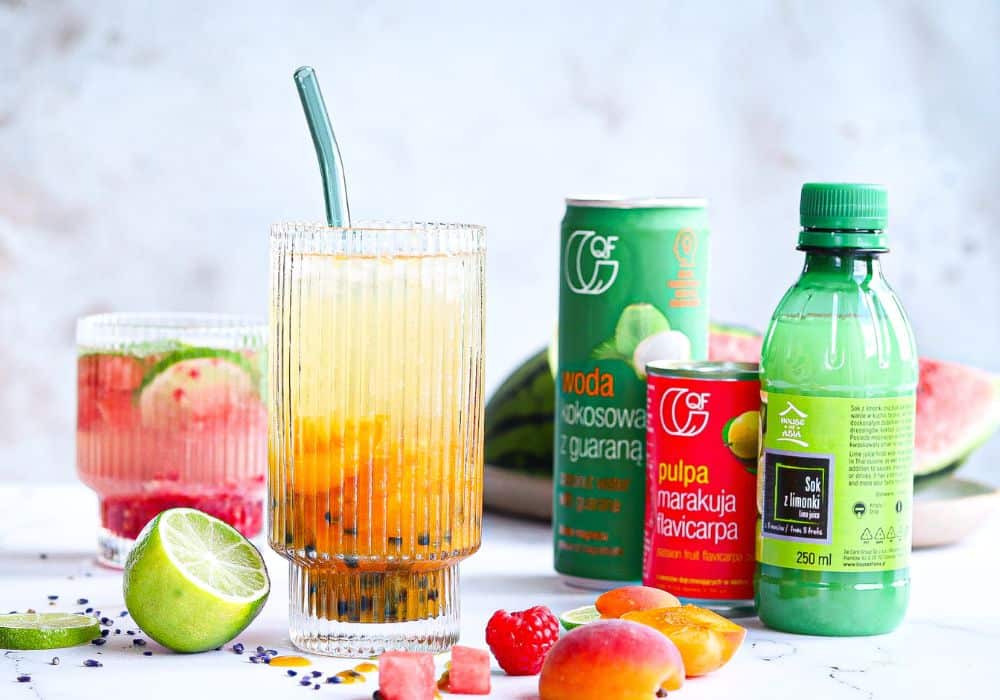
To drink: homemade lemonade prepared with cool but not icy water, limes, mint and green cucumbers.
For breakfast: rice with sliced watermelon and strawberries.
For dinner: lean white fish steamed, covered with seaweed, sprinkled with sesame seeds, a pinch of chili and a drizzle of lemon juice, accompanied by a bowl of fresh salad.
For an early dinner: a light salad, e.g. made of fresh vegetables with orange dressing and mung bean noodles.
Also check out our "cooling" recipes:
Clinical Dietitian Monika Wodyczk
 Fruits
  Thailand
  up to 15 minutes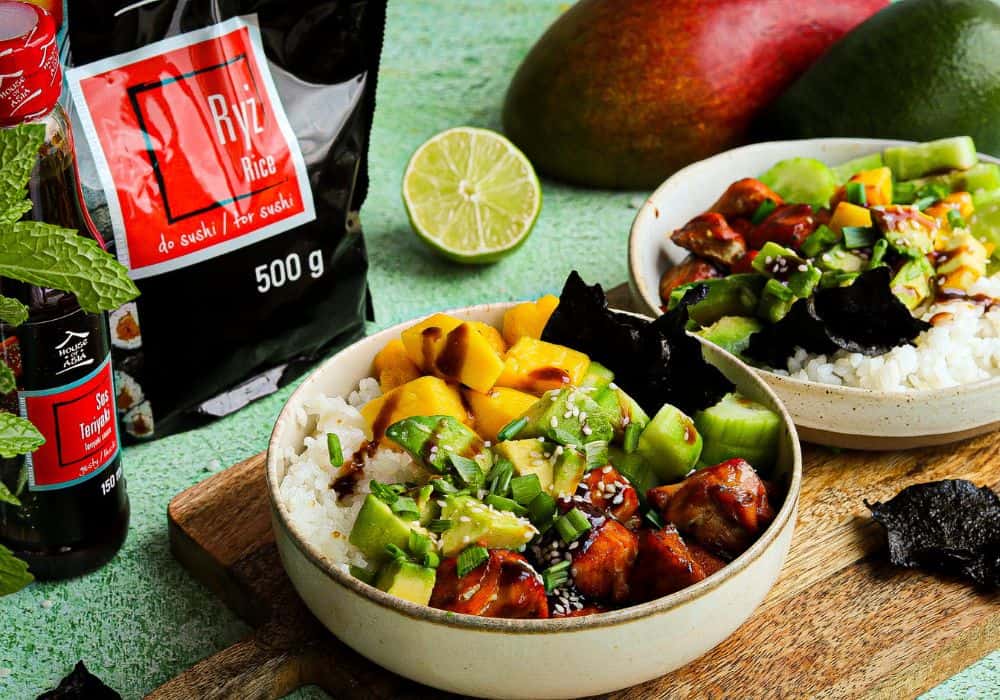
 Ryba
Ryba  Japanese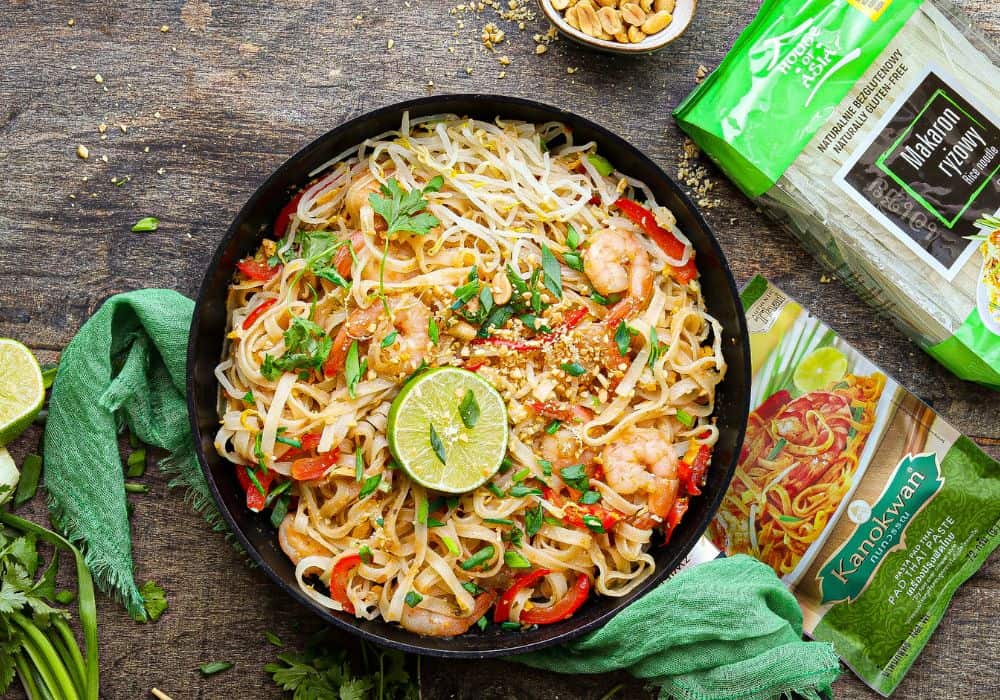
 Shrimp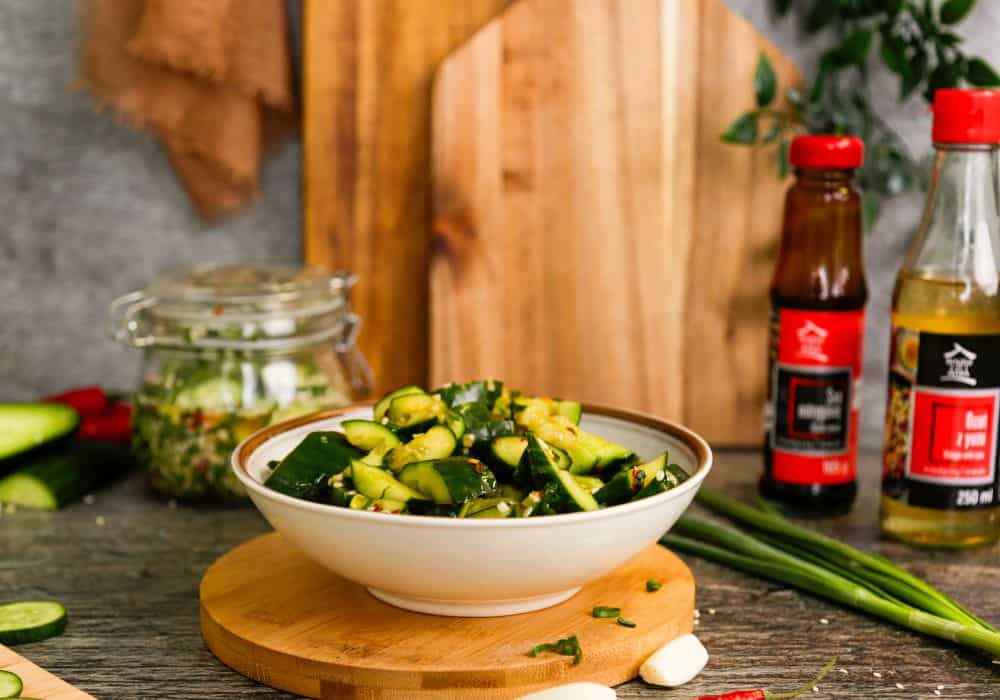
 Vegetables
  Chinese