





Rules for healthy grilling – avoid harmful substances
Healthy grilling begins with proper cooking techniques. The most important rule is to avoid contact of food with open flames. Grilling directly over flames creates harmful chemicals that are transferred to the food through the smoke.
Polycyclic aromatic hydrocarbons, or PAHs, are particularly dangerous. They are primarily formed when fat drips onto hot coal or briquettes and ignites. Toxic smoke then settles on meat, fish, and vegetables. PAHs are considered carcinogenic, so it's important to limit their consumption as much as possible.
Grilling time is also important. The longer products are exposed to high temperatures, the more harmful substances can be produced. Therefore, it's better to grill for a shorter time, but over a well-heated grate.
Why should you avoid burning?
Heavily burnt or charred food should not be placed on your plate. These contain the highest concentration of harmful compounds produced by the burning of fat and protein.
It's often thought that a heavily charred crust gives dishes a distinctive flavor, but from a health perspective, it's better to avoid it. Charred pieces of meat or vegetables should simply be discarded. It's also worth monitoring the grilling temperature and turning the food regularly to prevent burning.
Why are sausages and meats on the grill a mistake?
Classic sausages and ready-made meat products have long been associated with barbecue season, but they aren't the best choice for health. Processed meats typically contain large amounts of salt, preservatives, and saturated fat. High temperatures further increase the risk of harmful substances forming.
It's much better to choose fresh, unprocessed, high-quality meat. Lean cuts of poultry, turkey, or beef allow for lighter dishes that aren't too taxing. It's also worth limiting the amount of meat and opting for vegetables, fish, and fiber-rich side dishes.
A healthier barbecue is all about the right proportions. One serving of meat and a generous amount of colorful, fresh vegetables. salads or grilled fruit will work much better than a few fatty sausages with heavy sauces.
Is grilling on aluminum trays and in foil healthy?
Aluminum trays help reduce contact between fat and flame, reducing the amount of smoke and harmful substances that settle on food. This is a better solution than placing fatty foods directly on the grate.
However, it's worth remembering that aluminum can leach into food when exposed to very high temperatures and contact with acidic ingredients. Therefore, you shouldn't grill foods marinated in vinegar, lemon juice, or tomatoes in foil for long periods of time.
Modern, reusable trays or special grill mats are good solutions. Regardless of the method chosen, the most important thing is to control the temperature and avoid burning the food.
Equipment and preparation – gas, electric or charcoal grill?
The type of grill is crucial for health and the convenience of preparing food. Gas and electric grills are considered the safest options in terms of the amount of substances produced. They allow for better temperature control and limit contact between food and smoke.
Traditional charcoal grills still have many fans, but they require greater caution. It's best to use only briquettes designed for grilling and wait until the kindling has completely burned out. Food shouldn't be placed over the flame, but rather over evenly heated embers.
Cleanliness is also crucial. The grate should be thoroughly cleaned after each use, as food remnants, old grease, and burnt-on residue will burn and release toxic smoke during subsequent grilling.
Healthy grilled dishes – what's best to put on the grill?
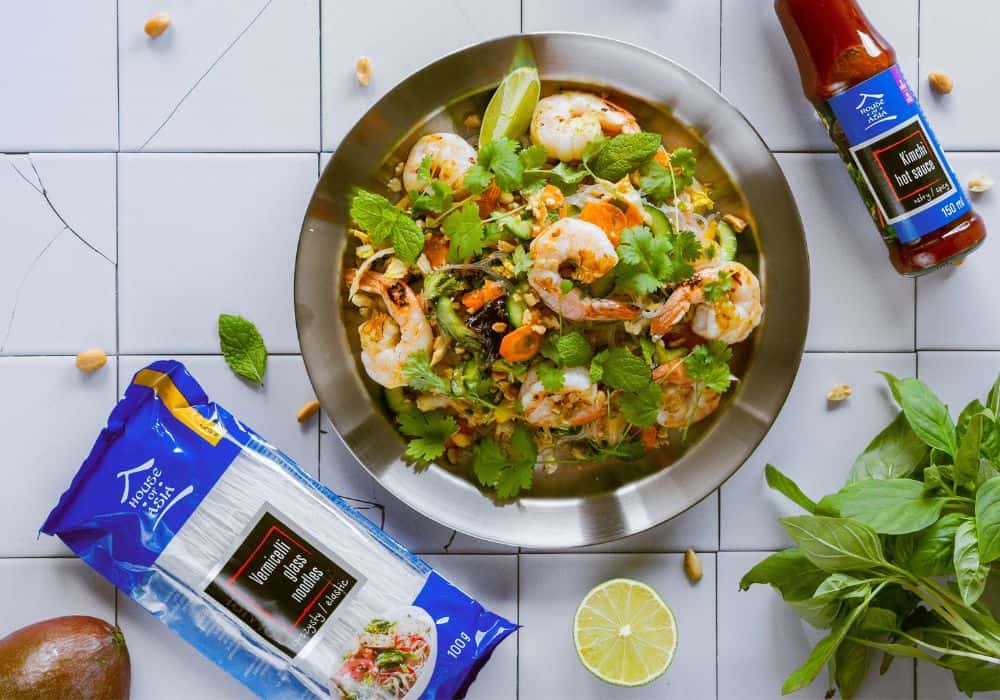
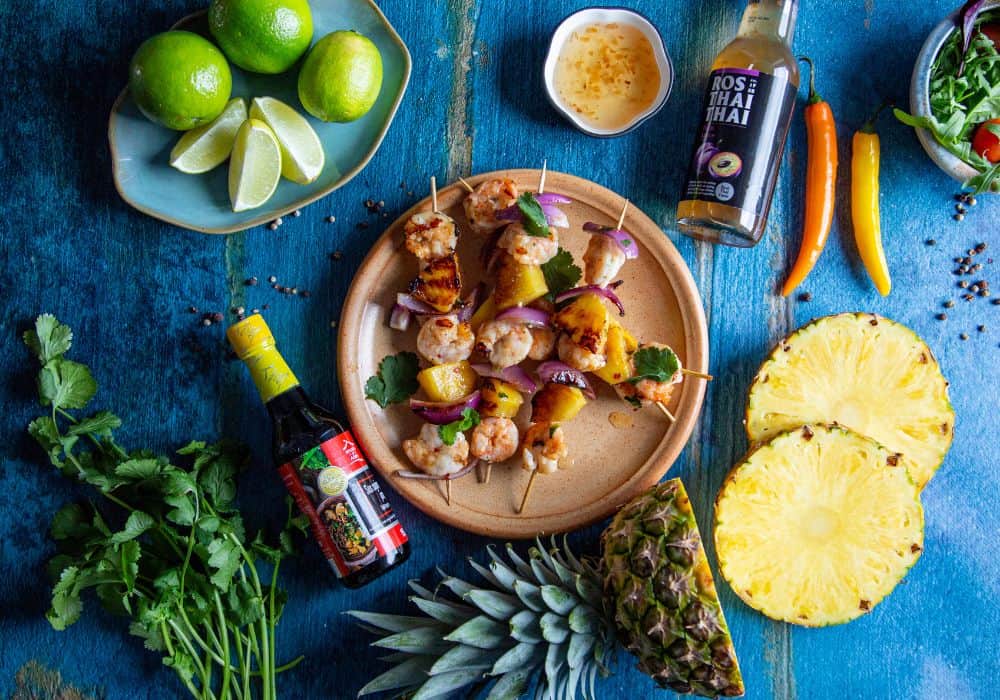
A healthy grill offers endless possibilities and allows you to prepare much more than just meat. Vegetables, fish, tofu, seafood, and light vegetable skewers filled with fresh ingredients all work great on the grill.
Meals should be composed around foods rich in fiber, vitamins, and healthy fats. Colorful vegetables, fresh herbs, and additions containing omega-3 fatty acids help maintain balance and support the body during grilling.
Lean meat, fish and grilled tofu
Lean, low-fat meats and fish are among the best alternatives to heavy, fatty grilled dishes. Grilled chicken, turkey, or high-quality beef combined with aromatic spices can be juicy and flavorful without the need for a lot of fat.
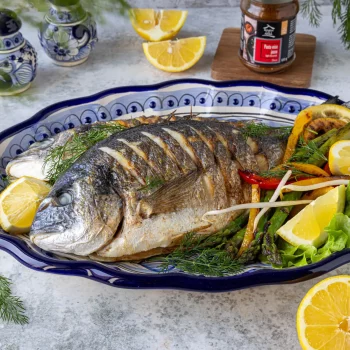
Fish rich in omega-3 fatty acids are also a great choice. Sea bream, salmon, and tuna pair perfectly with Asian-inspired marinades and fresh ingredients, offering a unique flavor to dishes made with them.
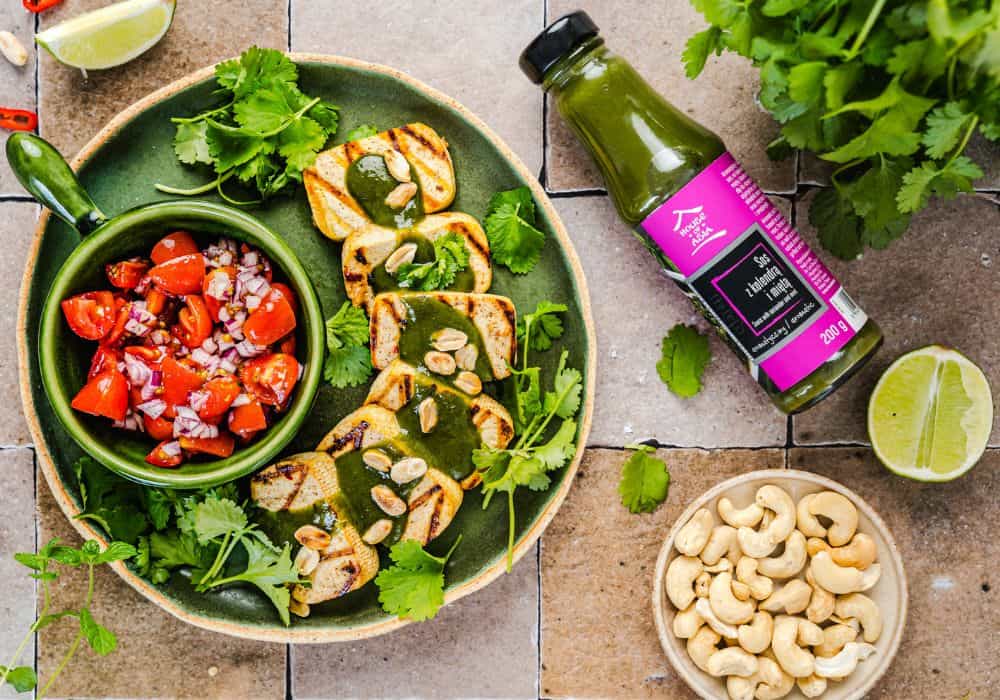
Lovers of plant-based cuisine are increasingly turning to tofu, which perfectly absorbs the aromas of marinades and, after grilling, becomes crispy on the outside and tender on the inside.
Recipes can be an inspiration grilled sea bream and tandoori chicken, which perfectly fit into the idea of light and aromatic grilling.
Grilled vegetables and fruits
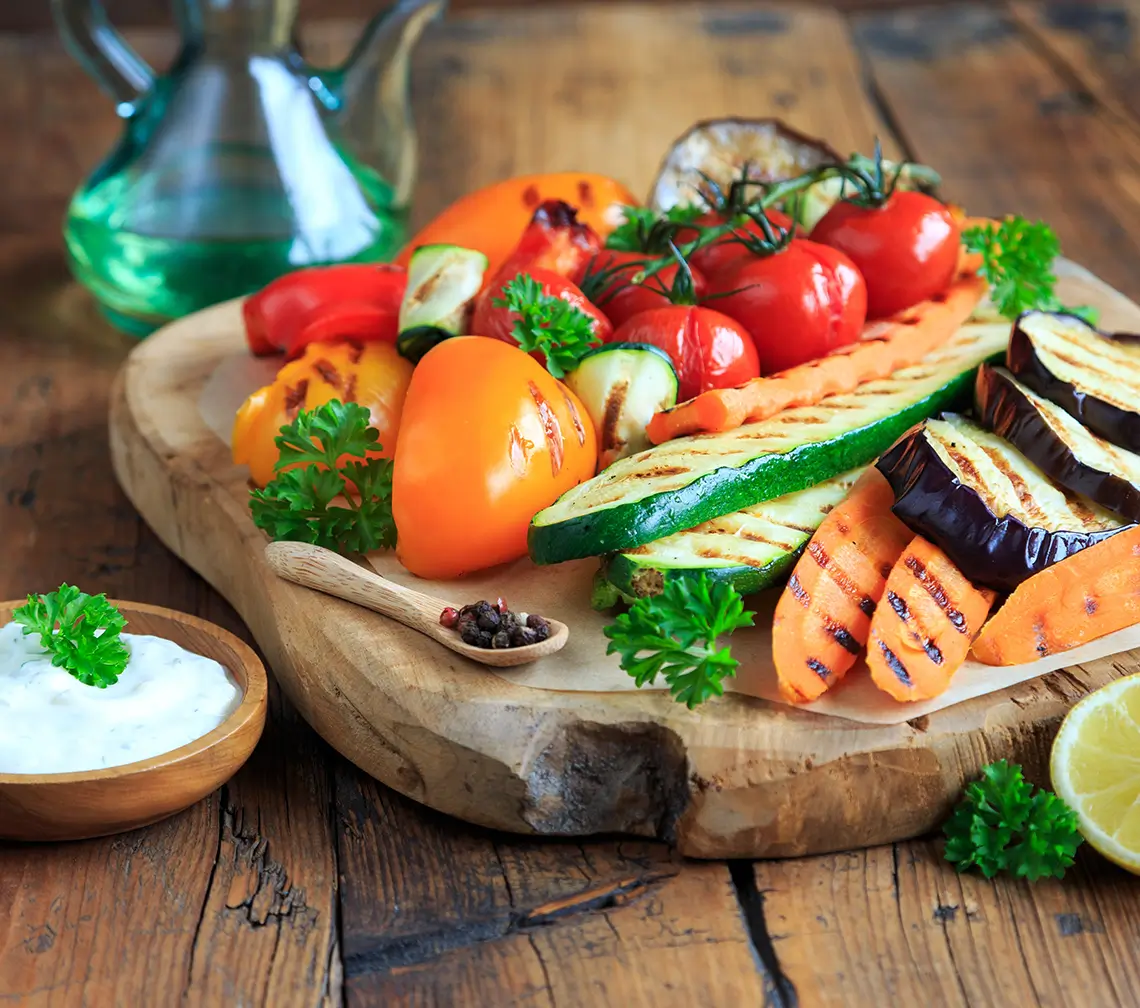
Vegetables should be the foundation of healthy grilling. Peppers, zucchini, eggplant, mushrooms, corn, and sweet potatoes gain unique flavor and natural sweetness when grilled.
It's also worth reaching for fruit. Grilled pineapple, mango, or peaches are great as a light snack. dessert or as an addition to savory dishes. Thanks to their high fiber and antioxidant content, vegetables and fruits help maintain better balance when grilling.
Marinades instead of ready-made sauces
Homemade marinades This is one of the easiest ways to make your barbecue healthier. Ready-made sauces often contain large amounts of sugar, salt, and preservatives, so it's definitely better to make them yourself.
The base of a good marinade can be extra virgin olive oil, soy sauce, ginger, garlic, lime, sesame, and fresh herbs. Natural spices not only enhance flavor but also help reduce the formation of harmful substances during grilling.
Homemade marinades allow you to better control the composition of your dishes and match the flavor to specific products – from fish and meat to tofu and vegetables.
Discover fit recipes for a healthy barbecue from House of Asia
A light grill can be full of bold flavors and inspiration from various Asian cuisines. It's worth reaching for grilled dishes based on vegetables, fish, and aromatic marinades, which give dishes a unique character without the need for heavy additions.
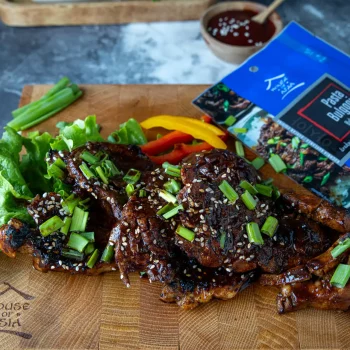
Among the suggestions perfect for a healthy barbecue are: Korean cauliflower steak, salmon skewers in unagi sauce grilled eggplant in soy saucePeople who can't imagine a barbecue without meat can opt for Korean beef bulgogi with vegetables — full of flavor, but at the same time light and rich in vegetable additions.
Dishes like these show that healthy grilling can be diverse, colorful, and very aromatic.

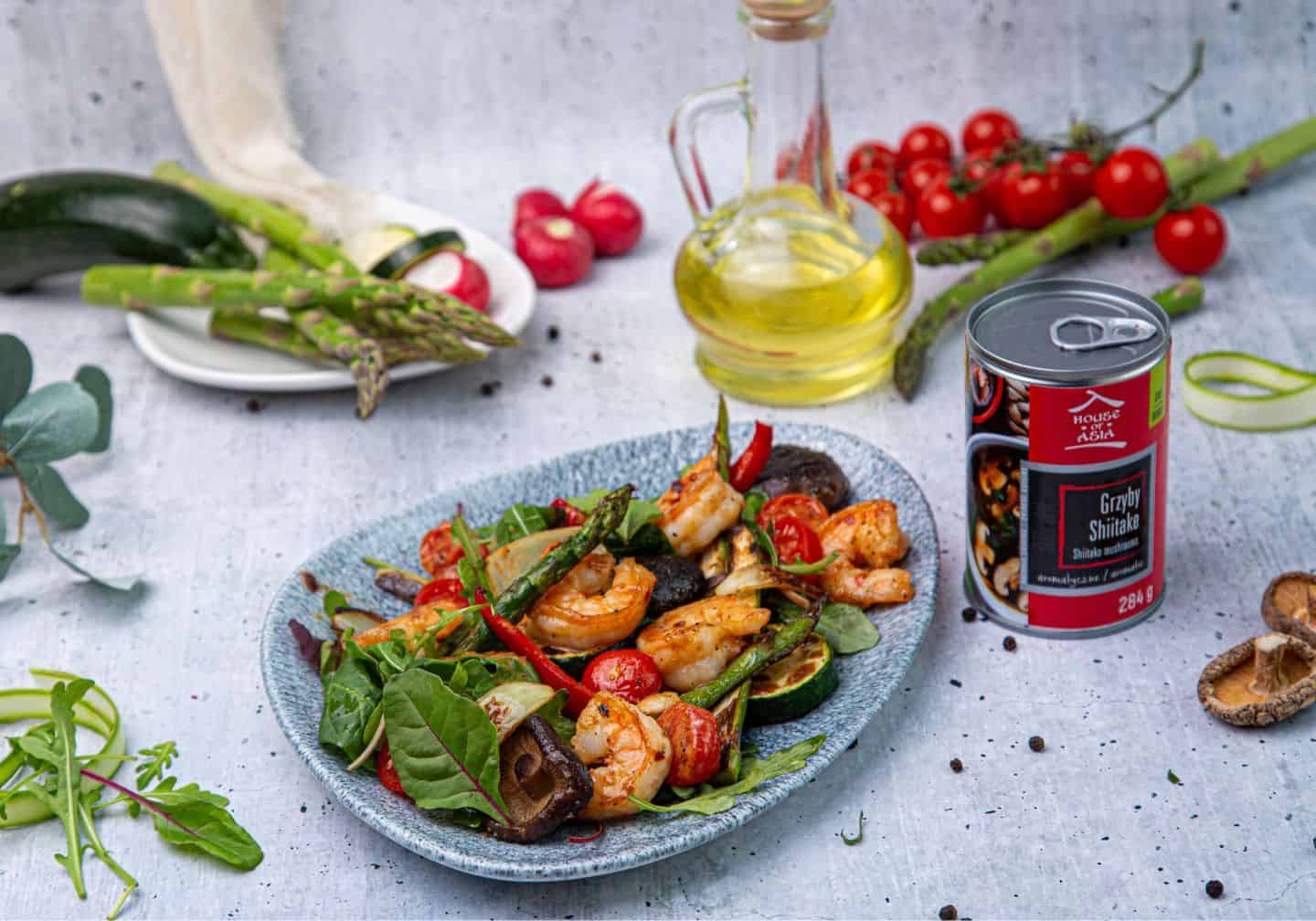
 Shrimp
  up to 15 minutes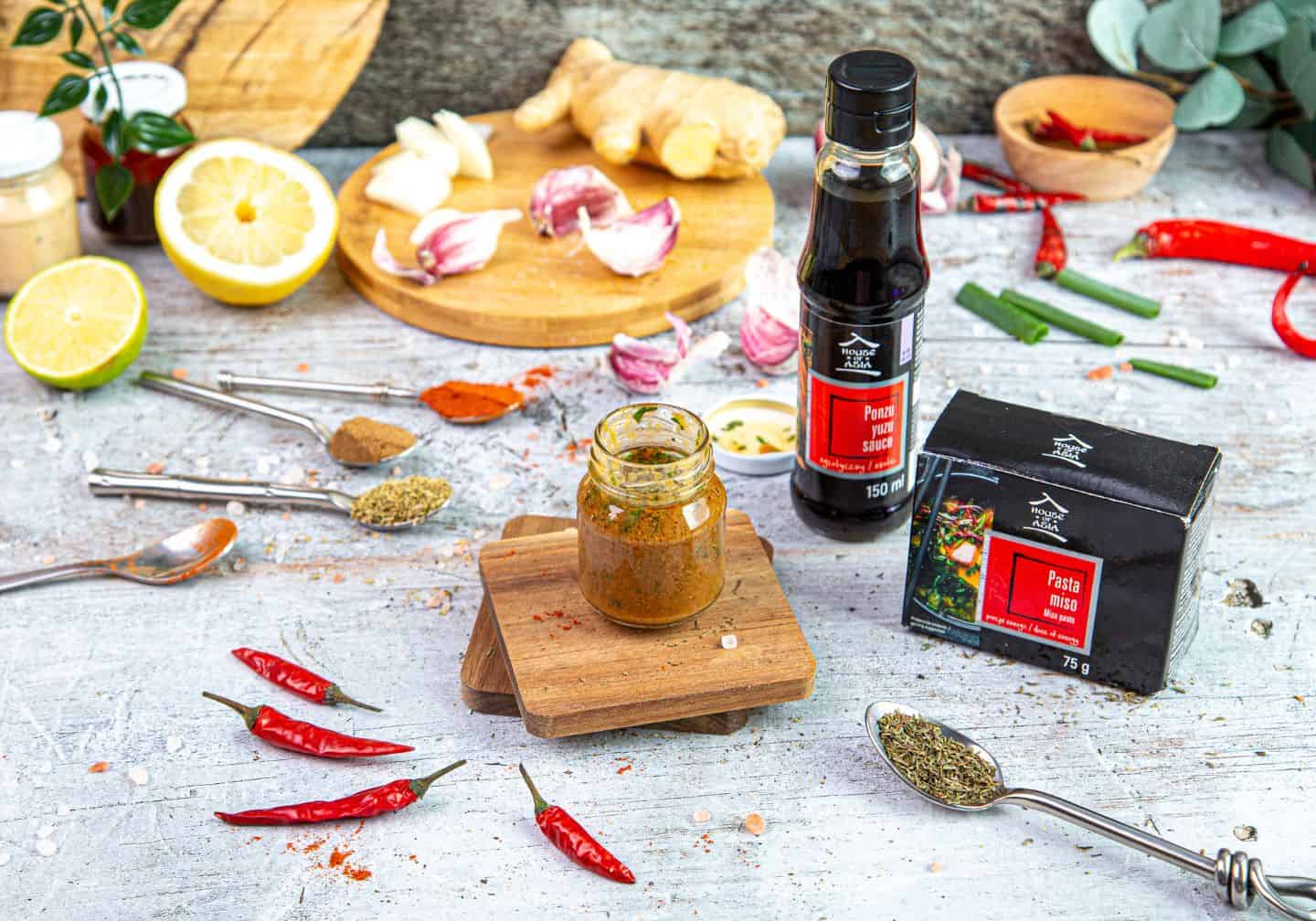
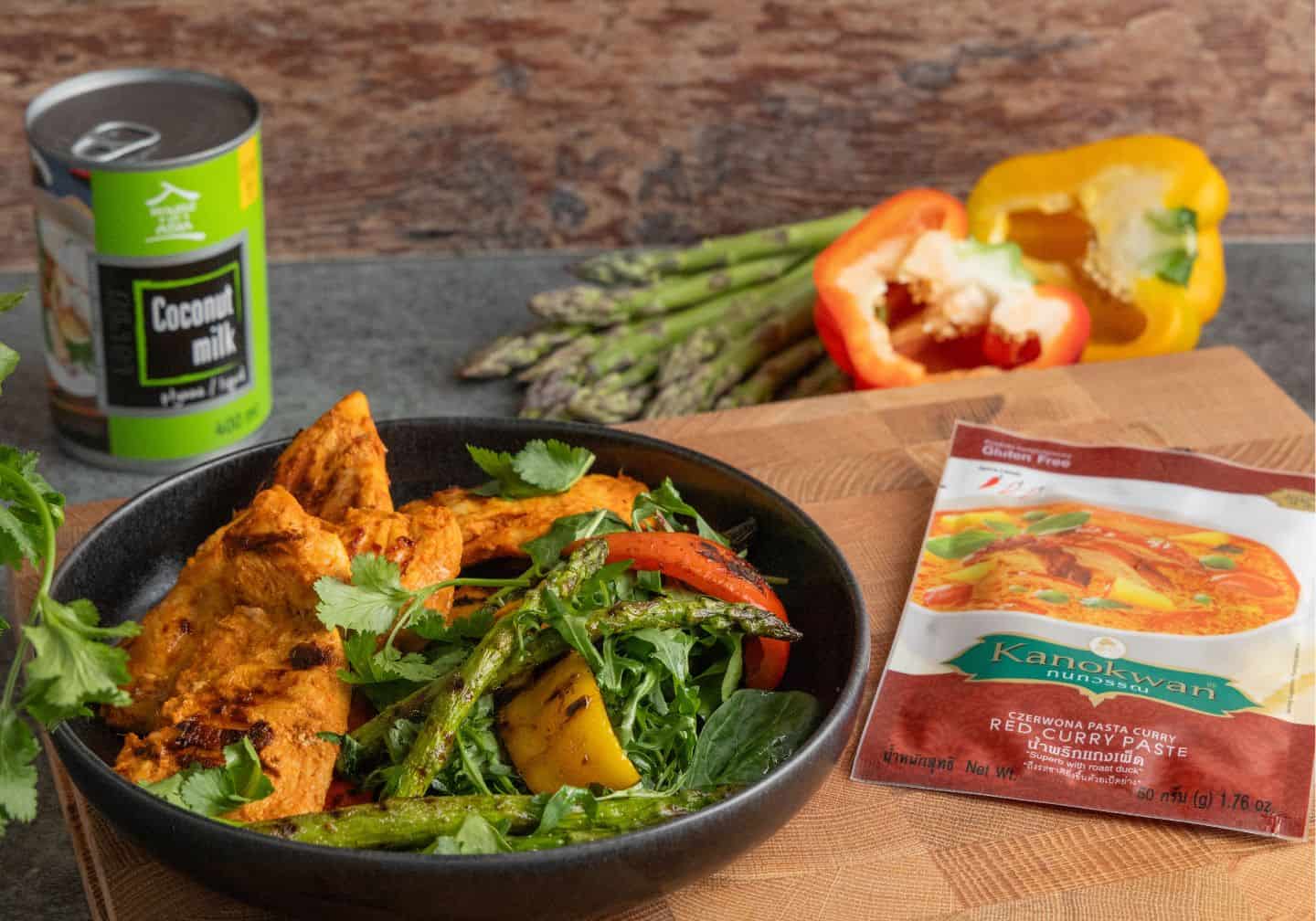
 Chicken
  Thailand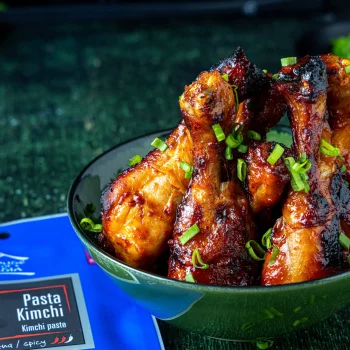
 Korean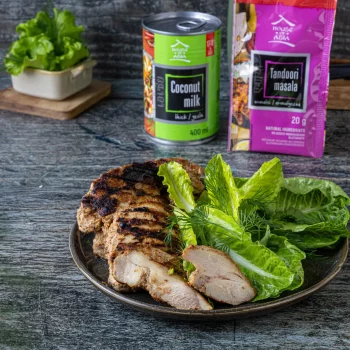
 Indian
 Ryba
Ryba 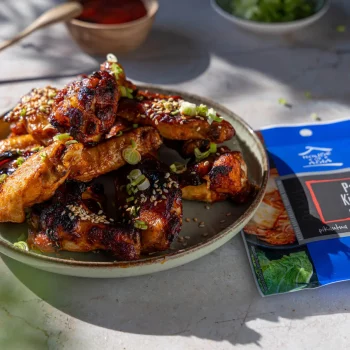
 Pork
Pork 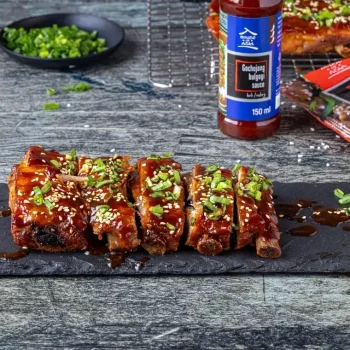
 Vegetables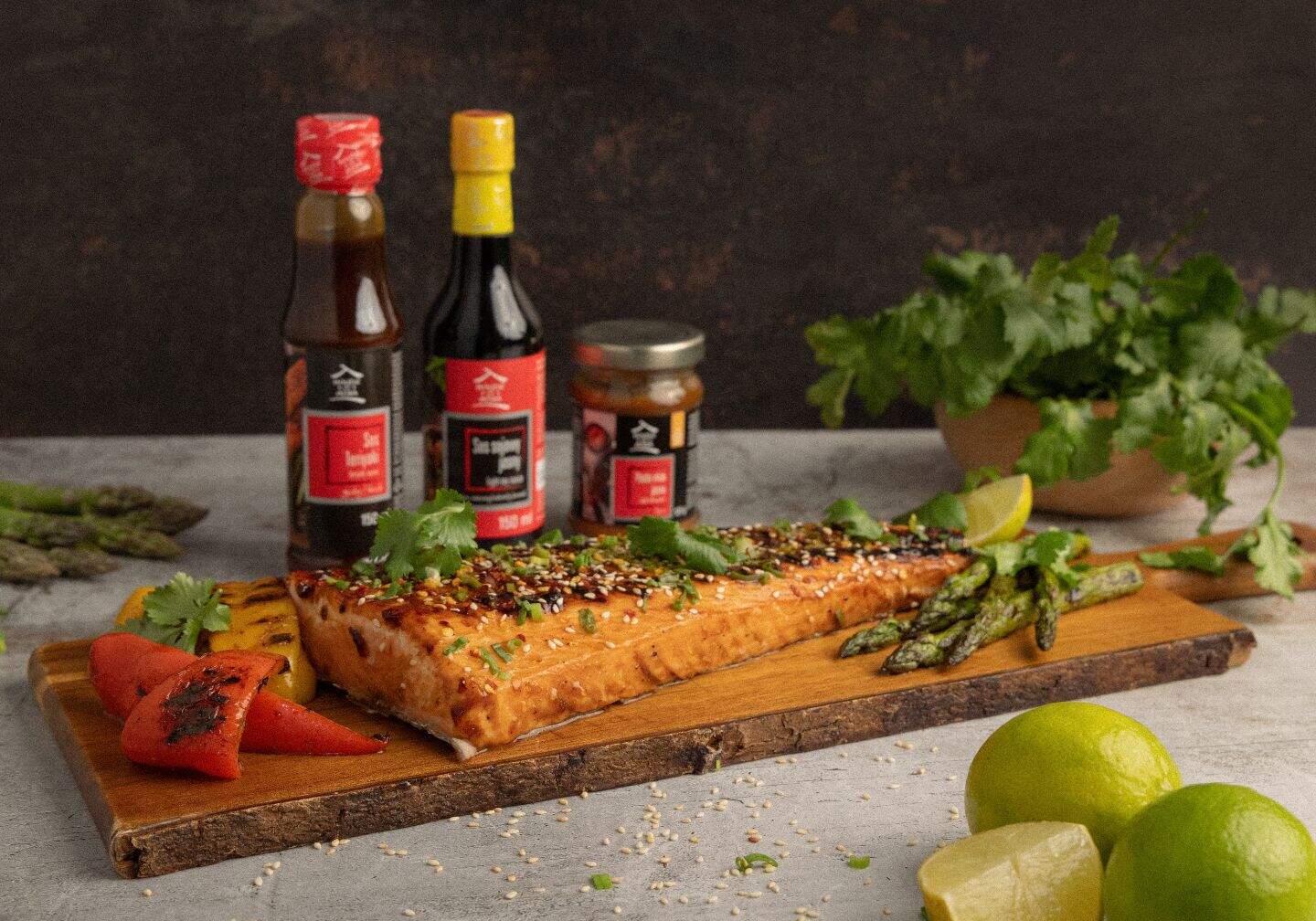
 Japanese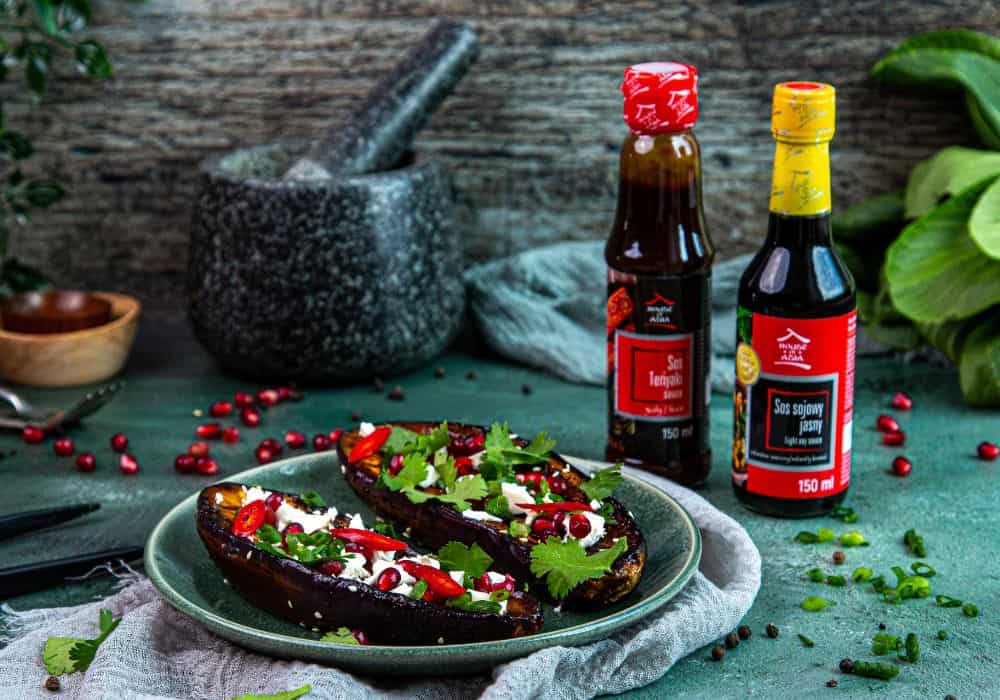

 Chinese