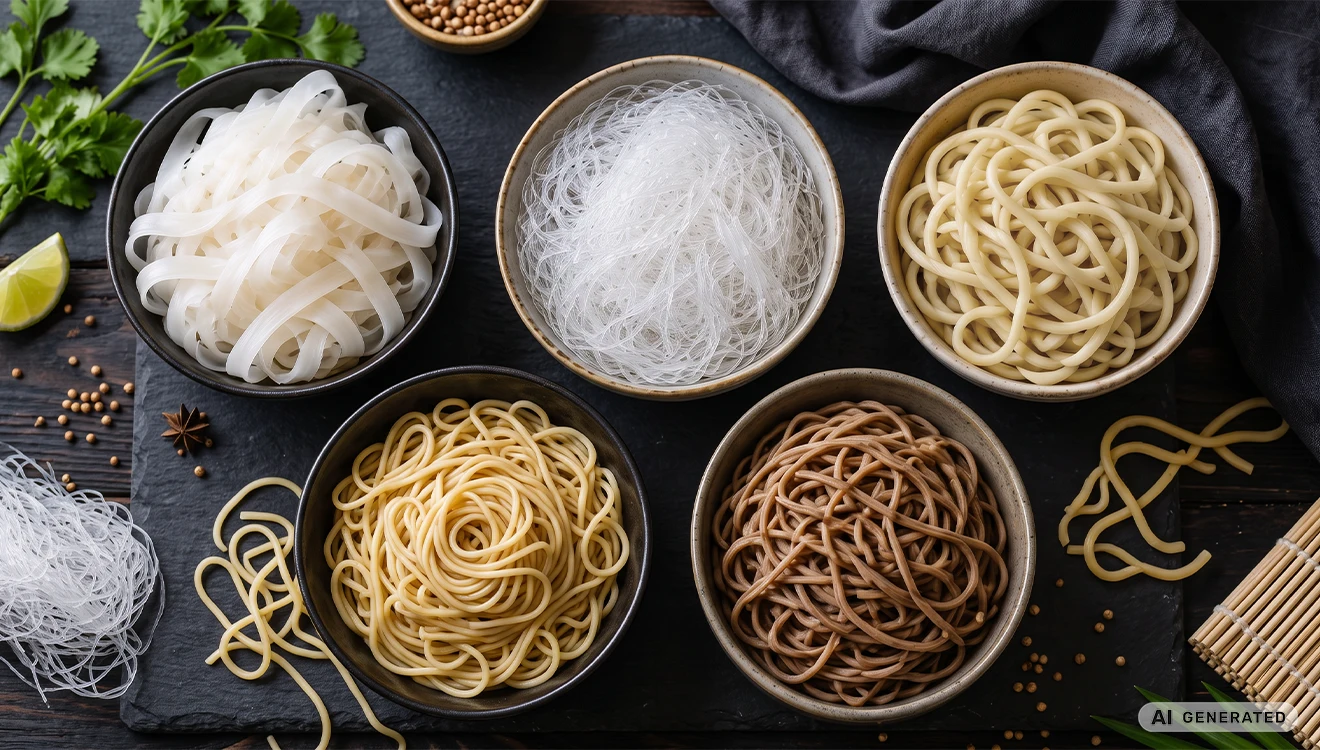
Asian noodles are made from a variety of ingredients, including rice flour, wheat flour, buckwheat flour, and mung bean or sweet potato starch. Their flavor, texture, and preparation method depend on the raw material. They can be served in aromatic broths, stir-fried with vegetables in a wok, or used in light salads and spring rolls.
Types of Asian noodles – how do they differ?
The choice of pasta can completely transform the character of a dish. Some types are naturally gluten-free, while others contain gluten, which affects their elasticity and springiness. They also vary in thickness, preparation time, and how they combine with other ingredients. It's worth getting to know them better to know which ones to choose for your next culinary experiment.
Rice noodles
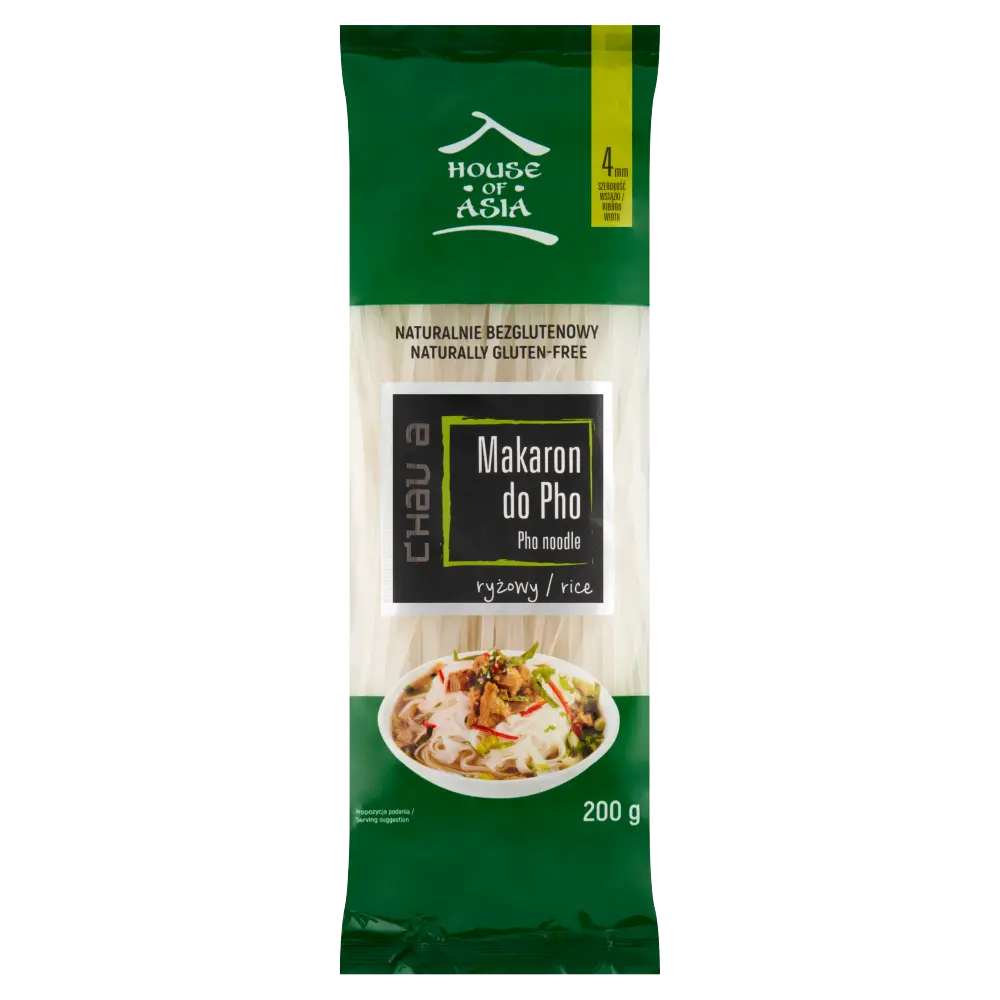
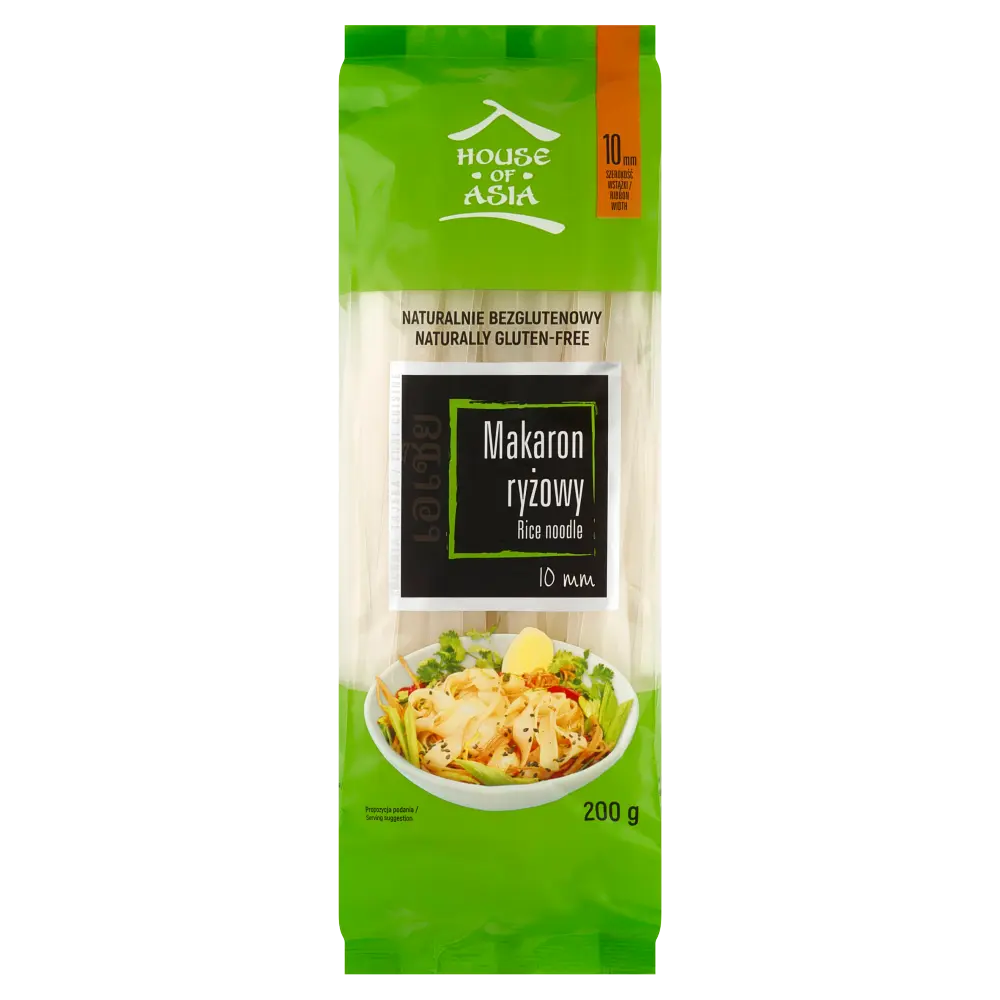
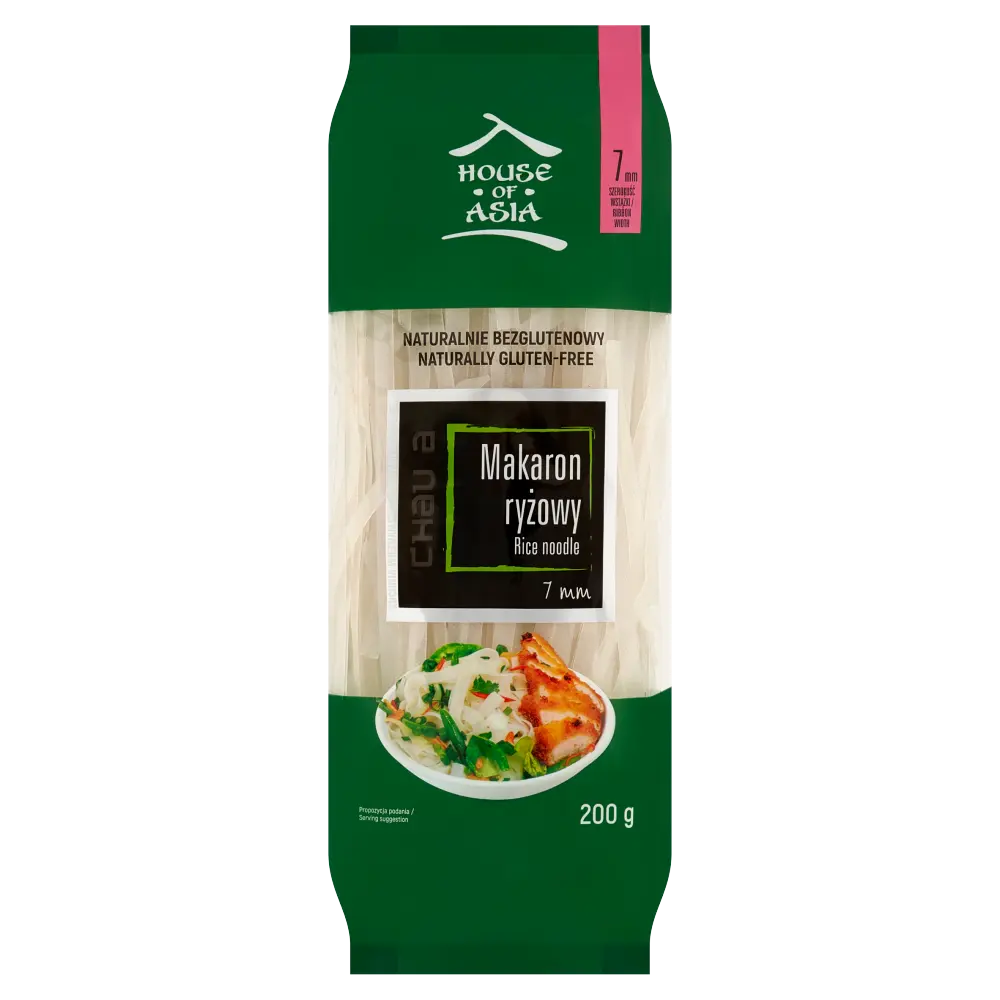
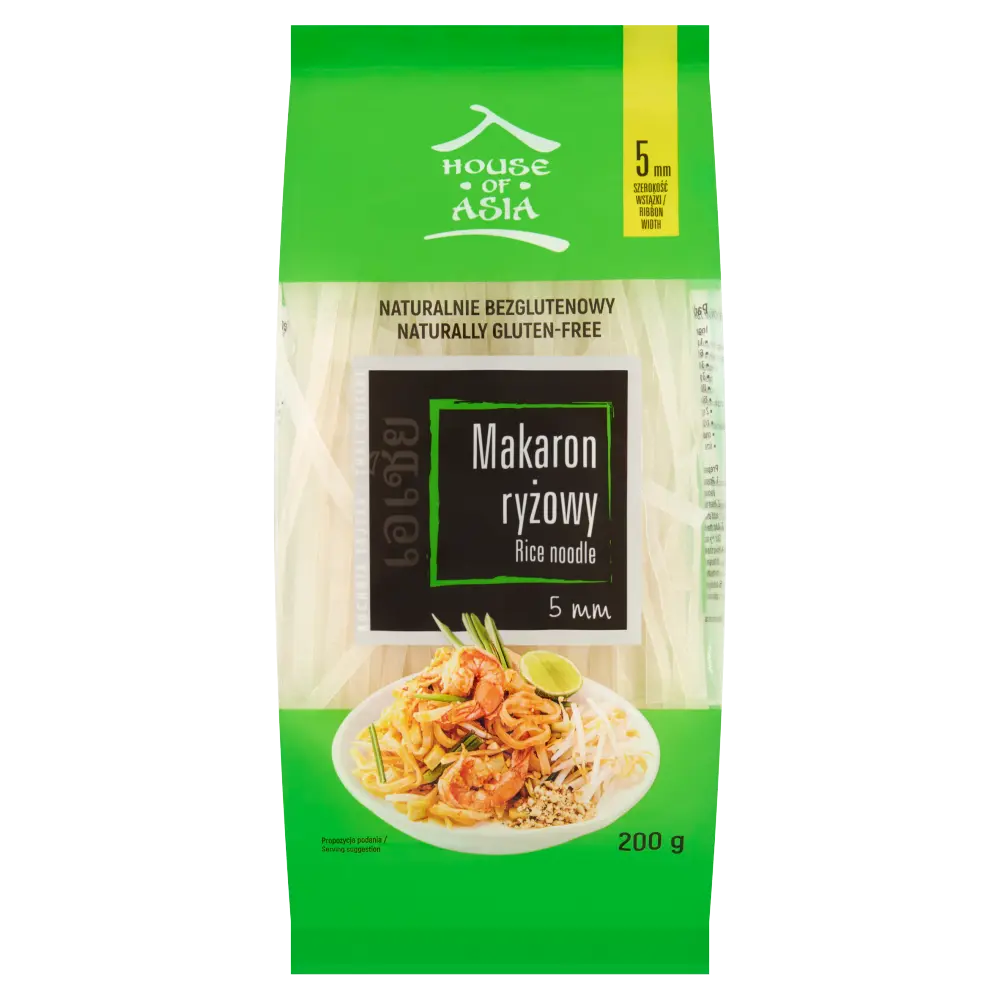
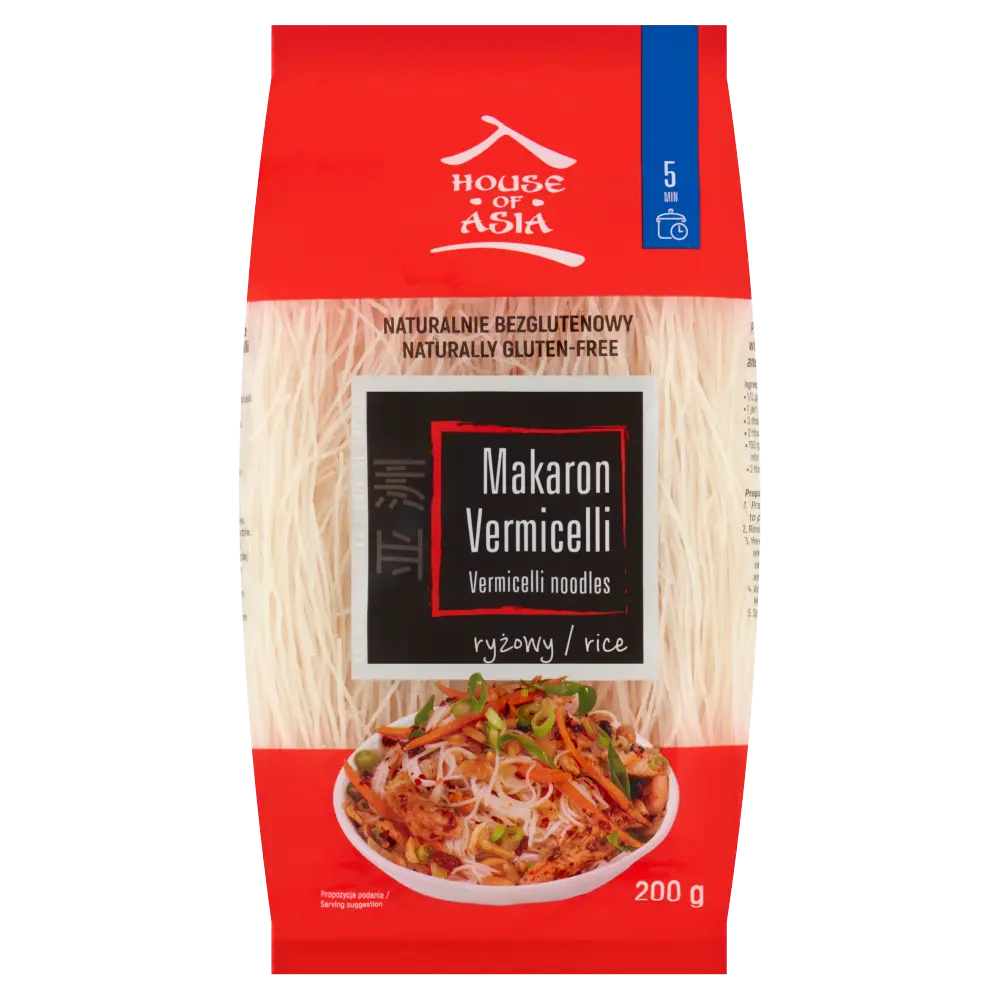
It's hard to imagine Thai cuisine without rice noodles. Made primarily from rice flour and water, they have a delicate flavor and absorb the aromas of spices and sauces perfectly. The thin strands are perfect for Vietnamese pho soup and light salads, while wider ribbons, for example 5 mm wide, is an excellent choice for pad thai and fried dishes.
The secret to a successful dish lies in proper preparation. Often, soaking rice noodles and then adding them to the wok while they're still slightly firm is enough. This allows them to absorb the aromatic sauce while maintaining a pleasant springiness and the right consistency.
Rice noodles are made with naturally gluten-free ingredients, making them a great choice for those avoiding gluten. However, it's worth checking the ingredients and labeling on the packaging to ensure that the product is suitable for those on a gluten-free diet.
Glass pasta
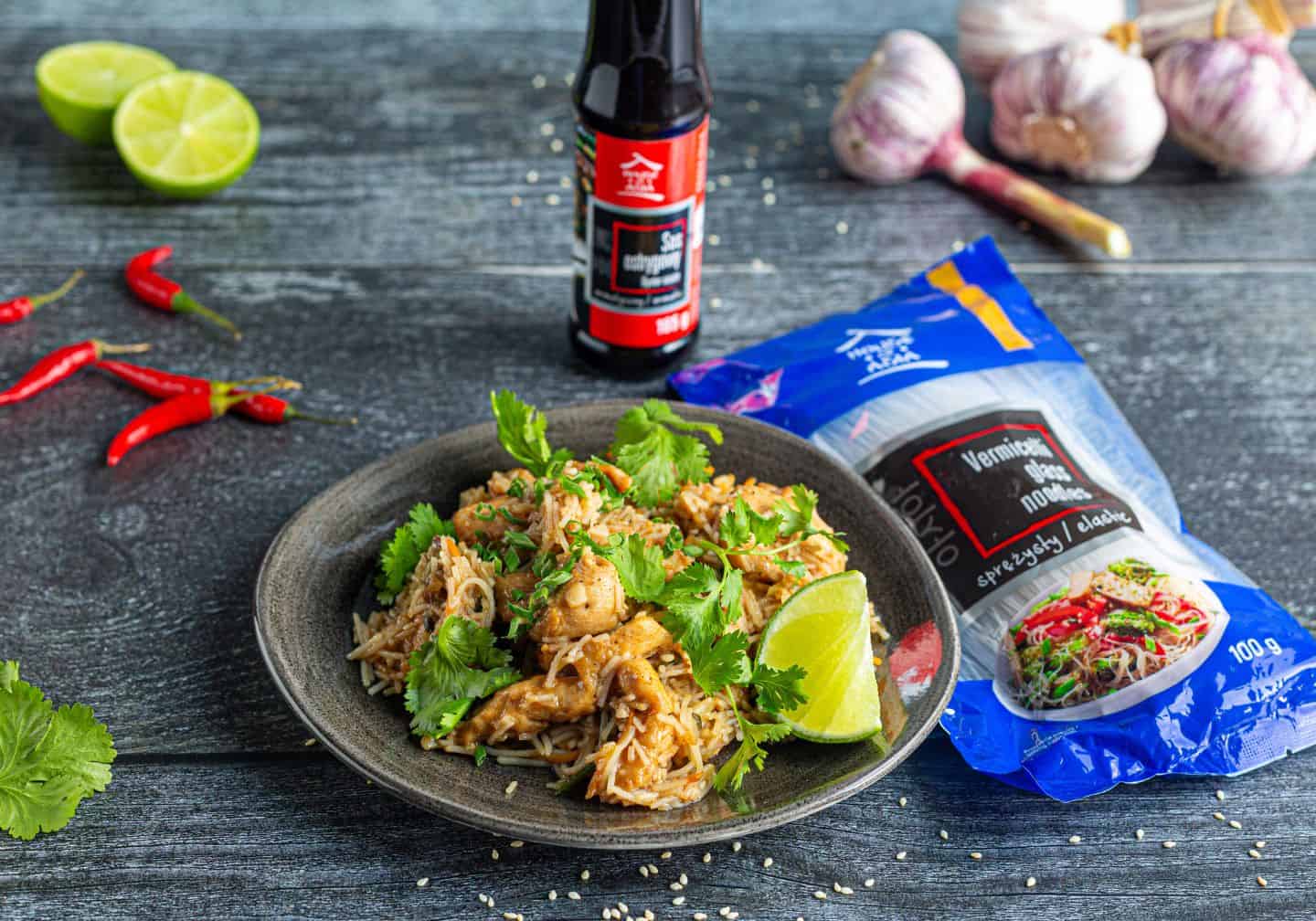
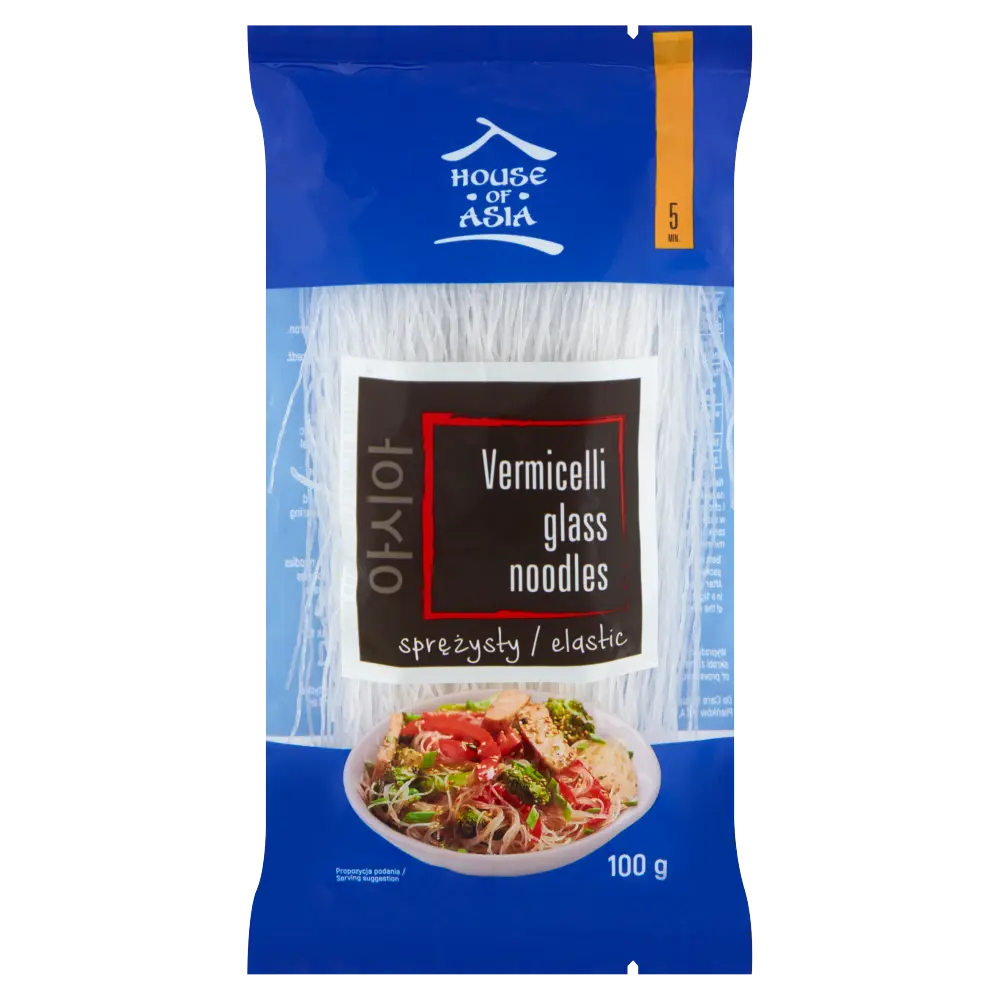
Delicate, slightly slippery, and almost transparent after preparation, glass noodles are hard to mistake for any other! They're made from starch, most often from mung beans, sweet potatoes, or tapioca. Their subtle flavor makes them a perfect accompaniment to both bold sauces and fresh vegetables.
Thin pasta Mung bean vermicelli It's perfect as a spring roll filling, an ingredient in salads, aromatic soups, and stir-fries. Combined with soy sauce, crispy carrots, and fresh herbs, it creates a light, flavorful dish.
Green pea and sweet potato pasta
Looking for a gluten-free alternative to traditional pasta? Be sure to check out pasta from green peas i sweet potatoes House of Asia! They are distinguished by their simple ingredients, delicate flavor, and pleasantly springy consistency. They absorb the aromas of sauces and spices perfectly, making them perfect for both light salads and warming Asian soups.
Green Pea Vermicelli Noodles are a great choice for those who appreciate quick and easy cooking. Made with green pea starch and water, they're ready in just 3 minutes! Once cooked, they become tender, slightly slippery, and flexible. They pair perfectly with crunchy vegetables, soy sauce, and fresh herbs. You can use them in salads, pad 'n' papas, or aromatic broths. What's more, they're fat- and sugar-free, and provide 3,4g of fiber per 100g.
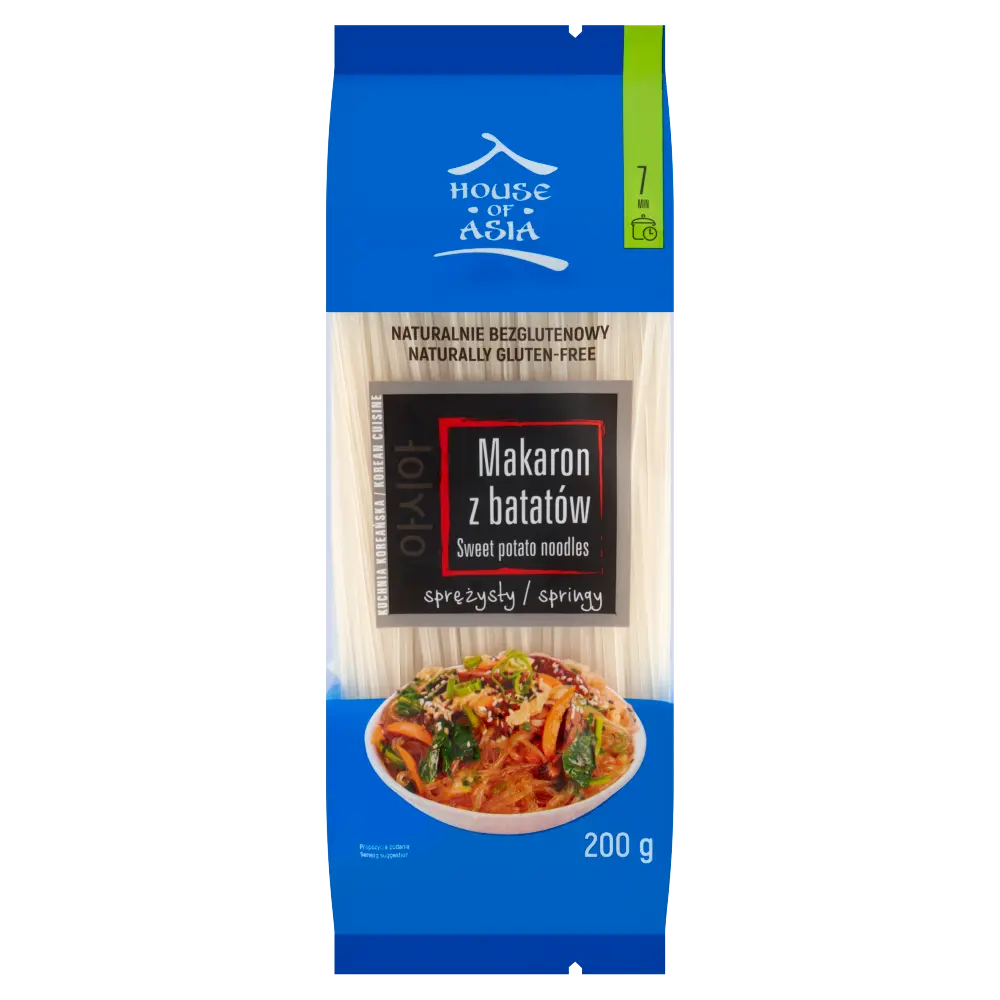
Sweet potato noodles impress with their springy, slightly chewy texture and exceptional versatility. They are made with 100% sweet potato starch, free from unnecessary additives. They are easily digestible and perfect for stir-fries, salads, and soups. They taste especially good paired with mushrooms, carrots, sesame seeds, and aromatic soy sauce, such as in Korean japchae. They are fat-free and sugar-free, and their main source of energy comes from carbohydrates.
Wheat noodles: ramen, udon, mie and chow mein
Springy, filling, and perfectly absorbing the flavor of aromatic sauces, wheat noodles are a true staple of many Asian dishes. Made from wheat flour, they contain gluten, which gives them their characteristic elasticity and helps maintain their structure during cooking. They are also a source of carbohydrates and protein, making them an excellent base for a nutritious dinner.
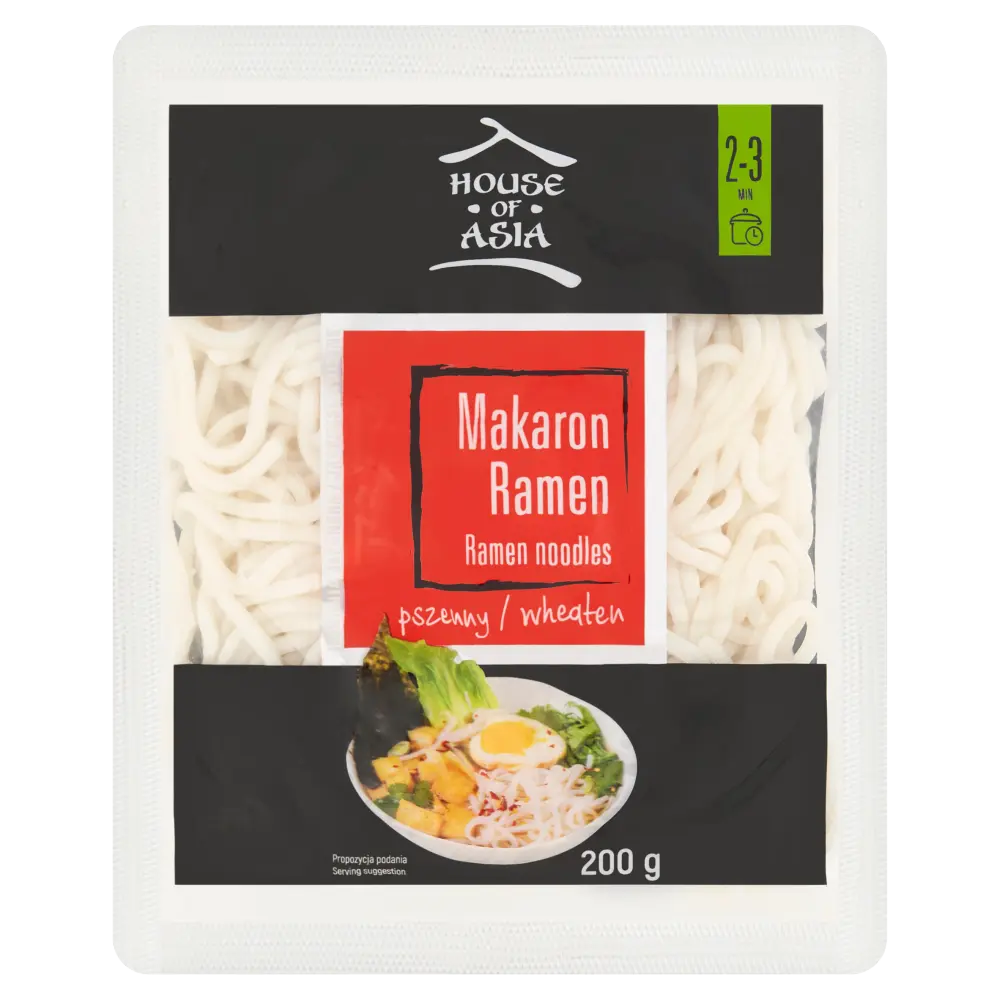
Ramen This is one of the most recognizable Japanese noodles. Its springy, slightly firm strands pair perfectly with rich broths, mushrooms, eggs, and meat. They don't fall apart easily after cooking, making ramen also suitable for stir-fries.
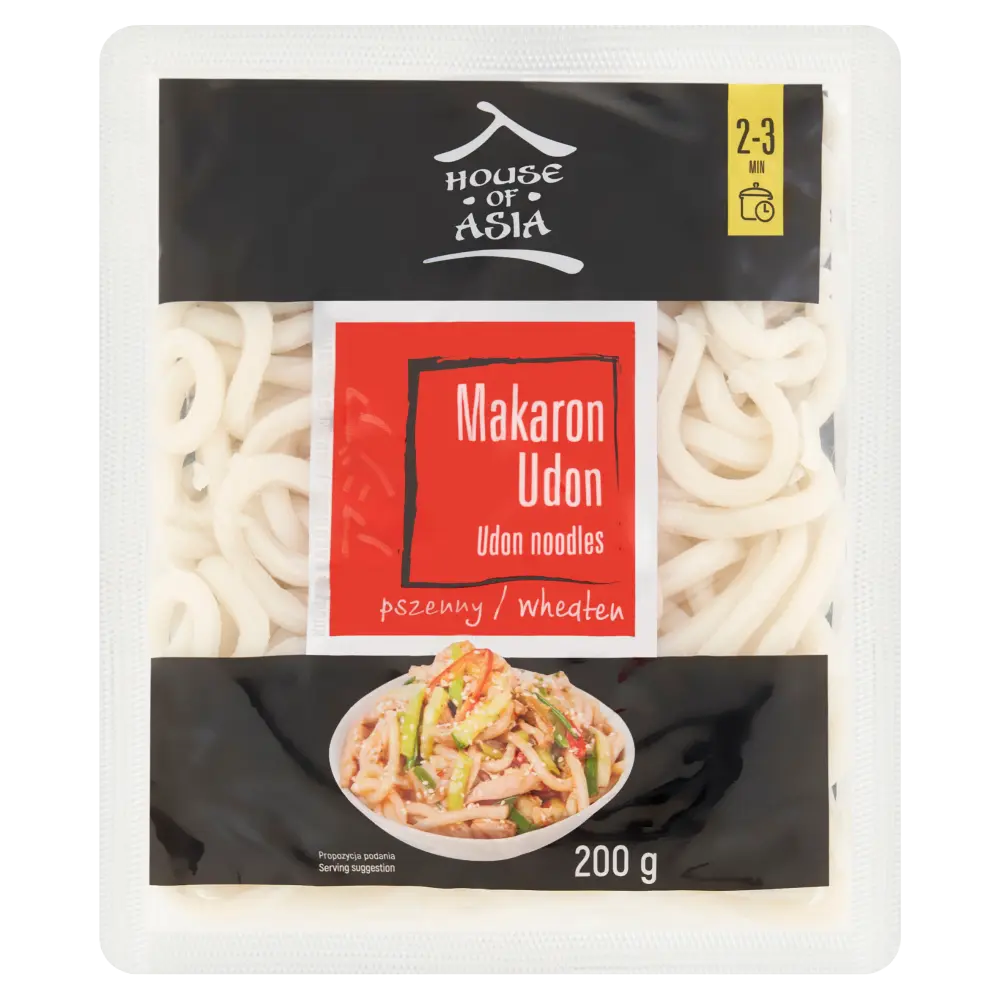
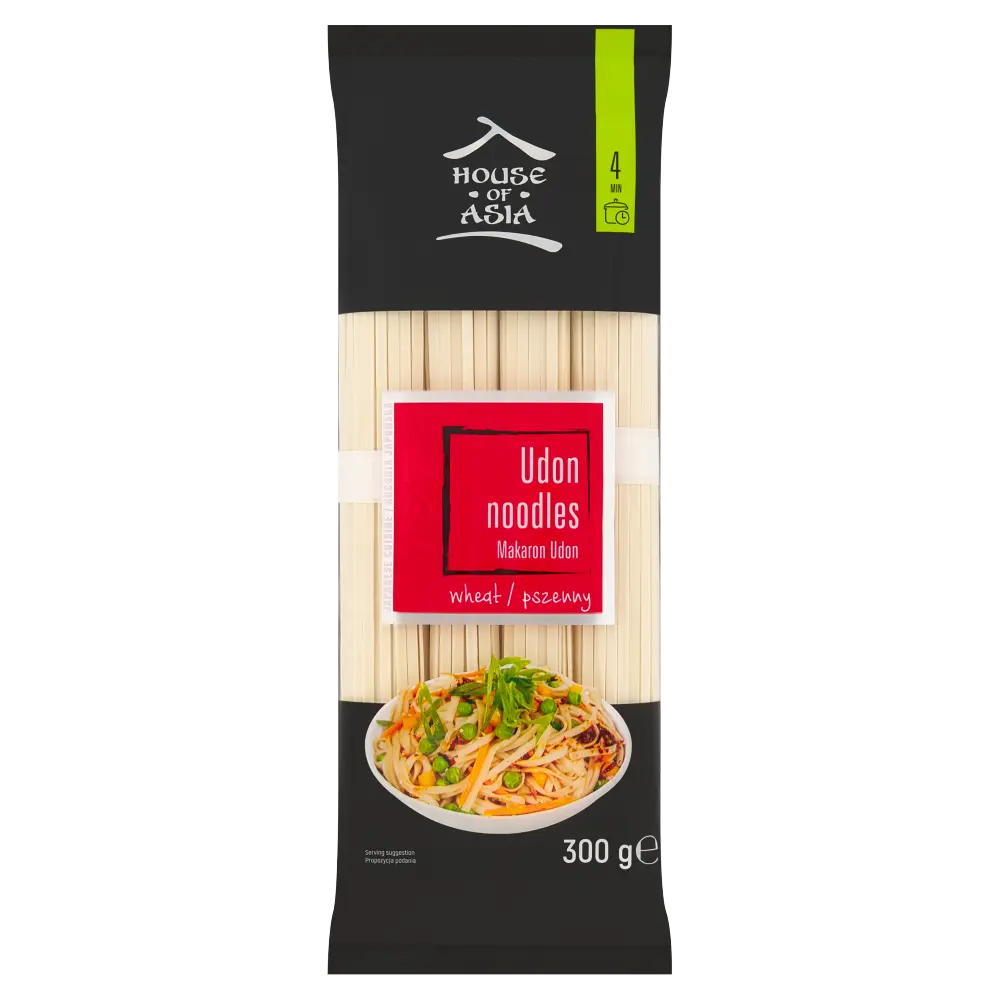
Udon It's hard to confuse with any other pasta. Its thick, soft, and pleasantly springy strands perfectly absorb the flavor of sauces and broths. It tastes great in warming soups, but it's also delicious stir-fried with vegetables, tofu, or chicken.
Mie It's a great choice when you're craving something delicious but don't want to spend hours in the kitchen. Its thin, flexible strands cook quickly, combine well with spices, and maintain a pleasant consistency in soups and wok dishes.
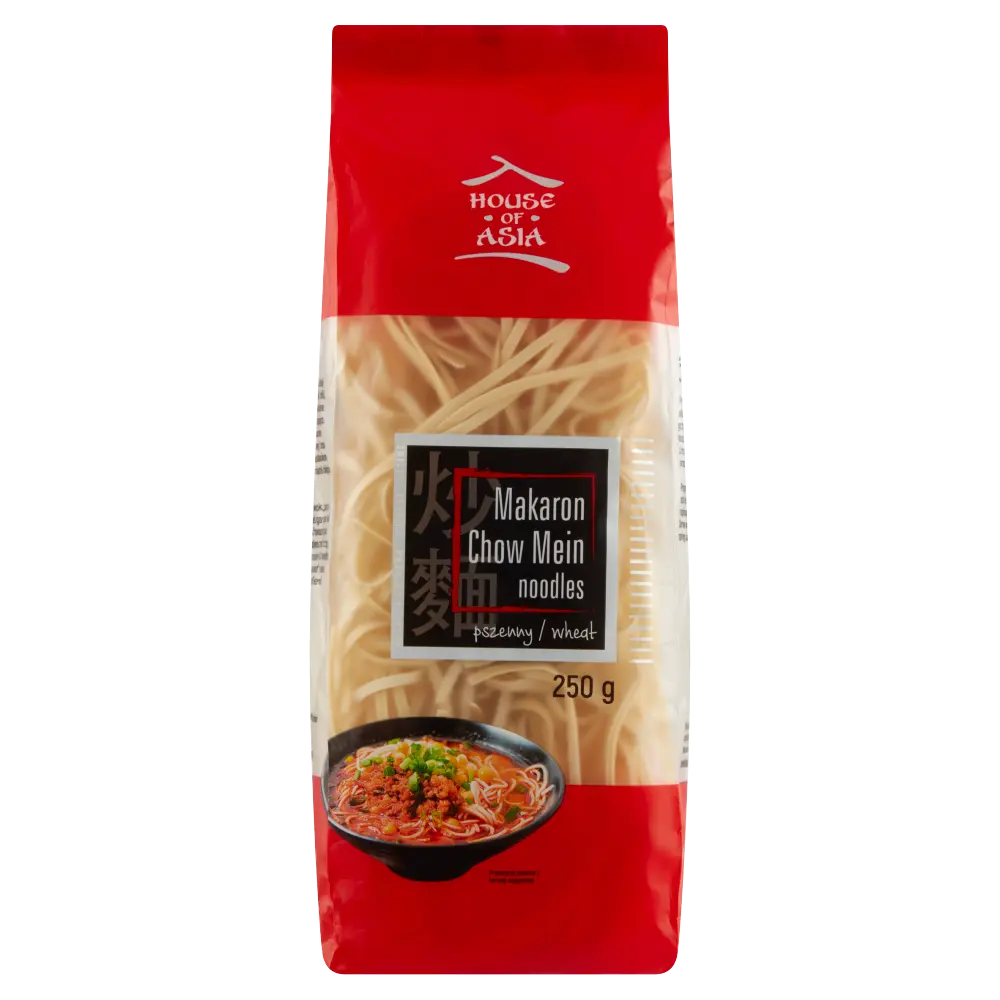
chow mein This is a great option for fans of high-heat stir-fry dishes. Its springy strands withstand intense stirring in a wok, don't fall apart easily, and are perfectly coated in aromatic soy sauce. Simply add crispy vegetables, meat, or tofu to create a dish brimming with flavor.
Other wheat noodles are also worth mentioning. Thin somen noodles taste delicious cold, served with a light dipping sauce, while soft lo mein pairs perfectly with vegetables, meat, and aromatic sauces. Both demonstrate the many culinary possibilities hidden in a seemingly simple ingredient.
Soba noodles
Distinctive grey-brown color, slightly nutty flavor and exceptional versatility. Soba is a Japanese noodle made from buckwheat flour, often with the addition of wheat flour.
In summer, it tastes delicious cold, served with a dipping sauce, chives, and sesame seeds. On colder days, it can be dipped in hot broth with vegetables. It's worth remembering that not all soba noodles are gluten-free. If you're avoiding gluten, choose products with the appropriate labeling and verified ingredients.
Are Asian noodles healthy?
Asian noodles can certainly be part of a well-balanced diet. It all depends on the dish, portion size, and toppings. Noodles primarily provide carbohydrates, which are a source of energy, and their exact nutritional value depends on the ingredients used.
Rice noodles and many starchy pastas are gluten-free in their basic recipe, while wheat varieties also provide protein. However, simply being gluten-free doesn't necessarily mean a product is healthier. What you serve the noodles with is crucial. Colorful vegetables, tofu, eggs, or chicken can create a filling and varied meal.
Are instant noodles unhealthy?
A quick dinner doesn't have to mean compromising on ingredients! Although instant noodles are often associated with ready-made soups and a long list of toppings, it's worth knowing that noodles themselves are a completely different product. A prime example is House of Asia instant noodles, which stands out for its simple, short ingredients. It contains only three ingredients: wheat flour, water, and salt. No preservatives, artificial colors, or unnecessary additives.
But that's not all! 100g of this product contains 11g of protein, 3,1g of fiber, and just 1,2g of fat. Noodles also provide carbohydrates, which are a source of energy. Their added advantage is their ease of preparation. In just a few moments, you can create a flavorful soup or a filling wok dish. Add your favorite vegetables, chicken, or tofu, a dash of soy sauce, and you're ready to go! It's a simple way to enjoy a tasty, nutritious meal, even on the busiest of days.
Which Asian noodles should you choose for a specific dish?
Craving pad thai, a warming soup, or a quick wok dinner? Choosing the right noodles is half the battle. Find out which one best suits your dish idea.
| A type of pasta | Consistency | Best use |
|---|---|---|
| Rice noodles | Delicate, smooth, slightly elastic | Pad Thai, pho soup, salads and fried dishes |
| Glass pasta | Flexible, slippery, translucent after preparation | Spring rolls, salads, soups and stir-fries |
| Green pea pasta | Elastic, delicate, slightly slippery | Salads, pad 'n' rolls and Asian soups |
| Sweet potato pasta | Flexible, springy, slightly stretchy | Korean japchae, stir fry and salads |
| Chow mein noodles | Elastic, firm, retains shape well | Wok-fried dishes with vegetables, meat or tofu |
| Udon noodles | Thick, soft, pleasantly springy | Aromatic broths, soups and stir-fries |
| Mie noodles | Delicate, flexible, slightly springy | Soups, wok dishes with chicken and vegetables |
| Instant noodles | Soft, slightly springy after preparation | Quick soups, broths and wok dishes |
How to prepare Asian noodles?
Not all pasta needs to be cooked! Some require a boiling water bath, while others require a short soak or boil. Therefore, it's always worth checking the package directions before preparing.
Rice and glass noodles are often prepared by soaking in water. Wheat varieties usually require cooking, although much depends on their form. If you plan to stir-fry in a wok, it's best to prepare the noodles so they remain slightly firm. When mixed with the hot sauce, they will soften rather than become sticky.
When should you rinse pasta? Cool water is especially useful when you want to stop cooking and use the pasta in a salad or cold dish. For hot soups and some stir-fried dishes, rinsing isn't always necessary.
Asian noodle recipes
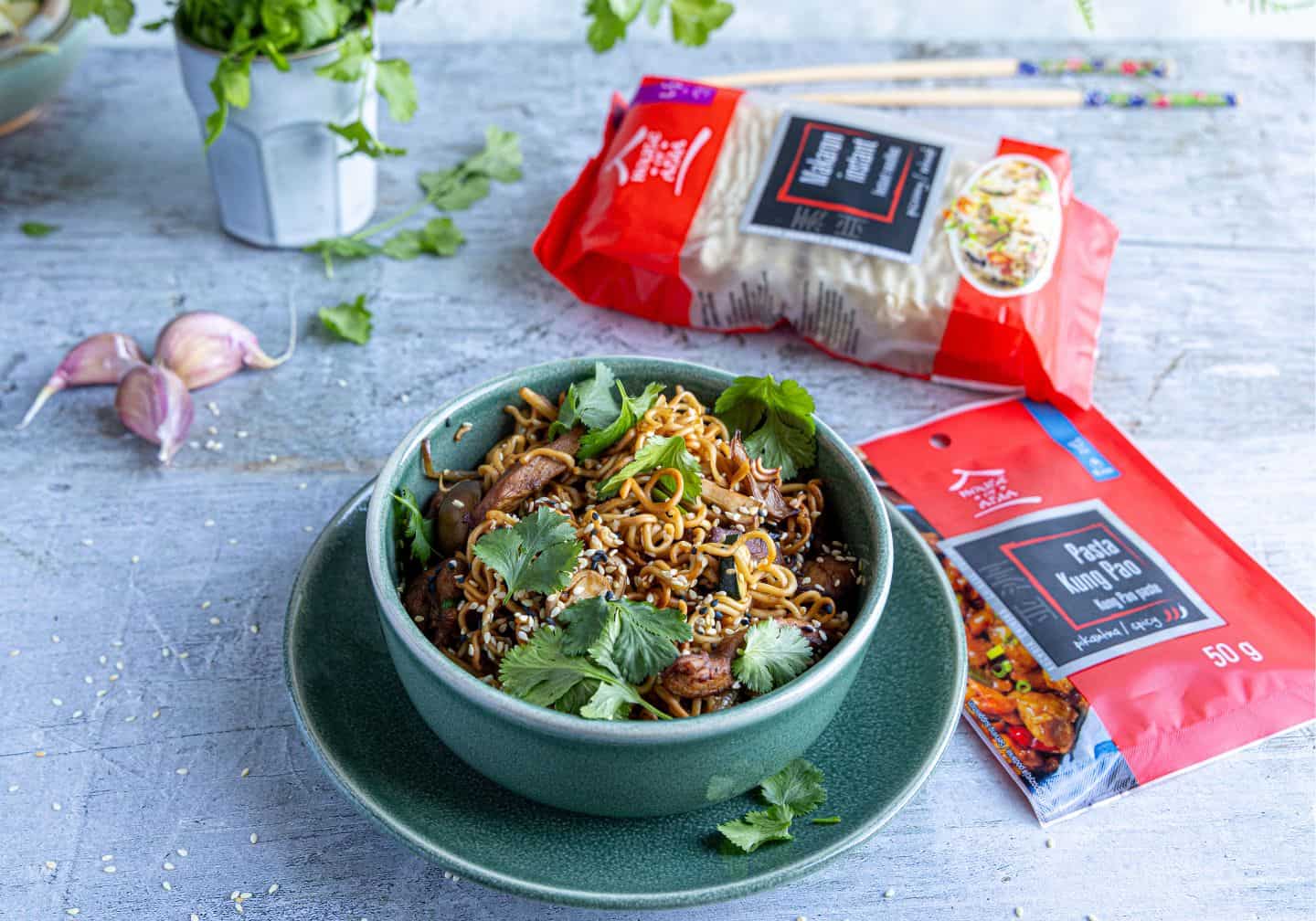
 Chinese noodle salad with chicken
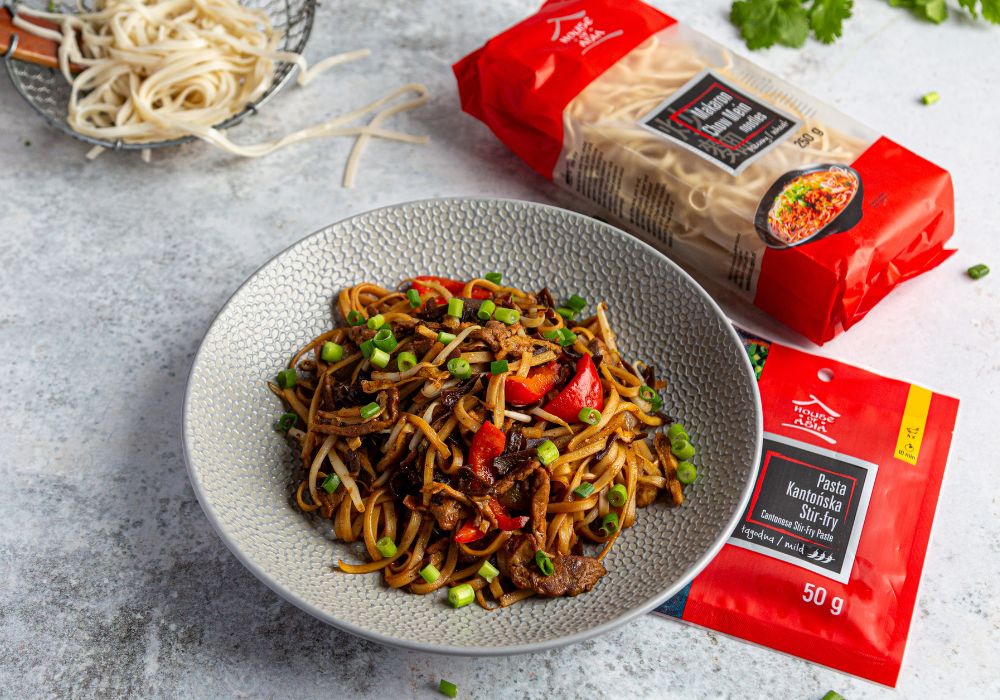
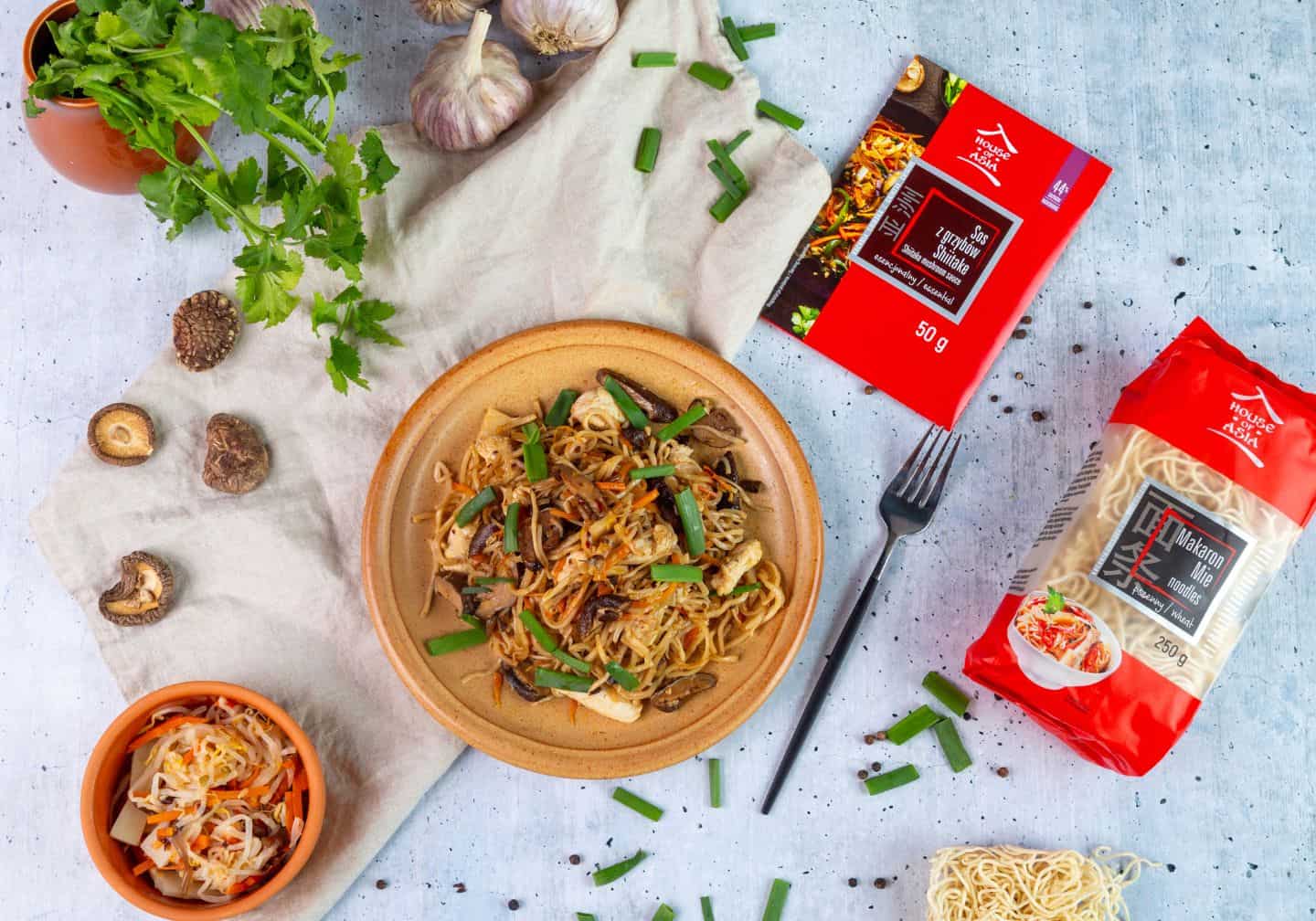
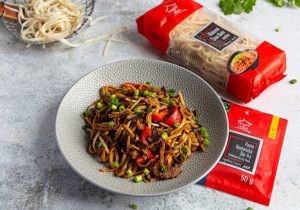 Cantonese noodles with mushrooms
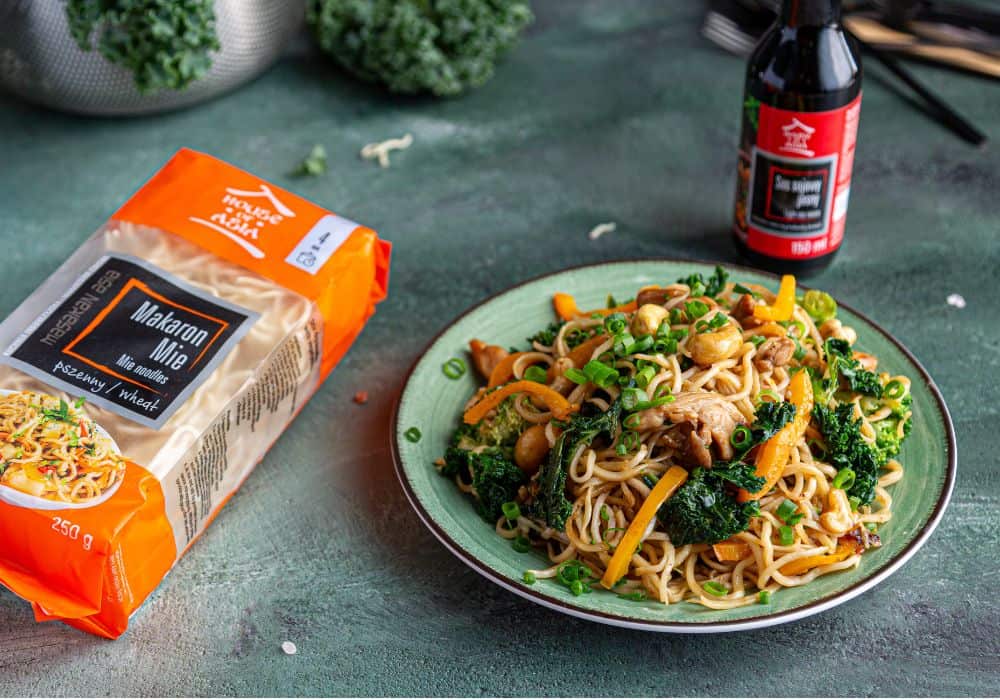
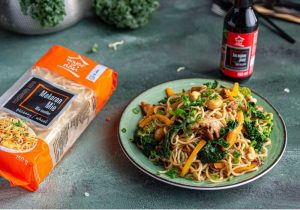 Mie noodles with chicken and vegetables
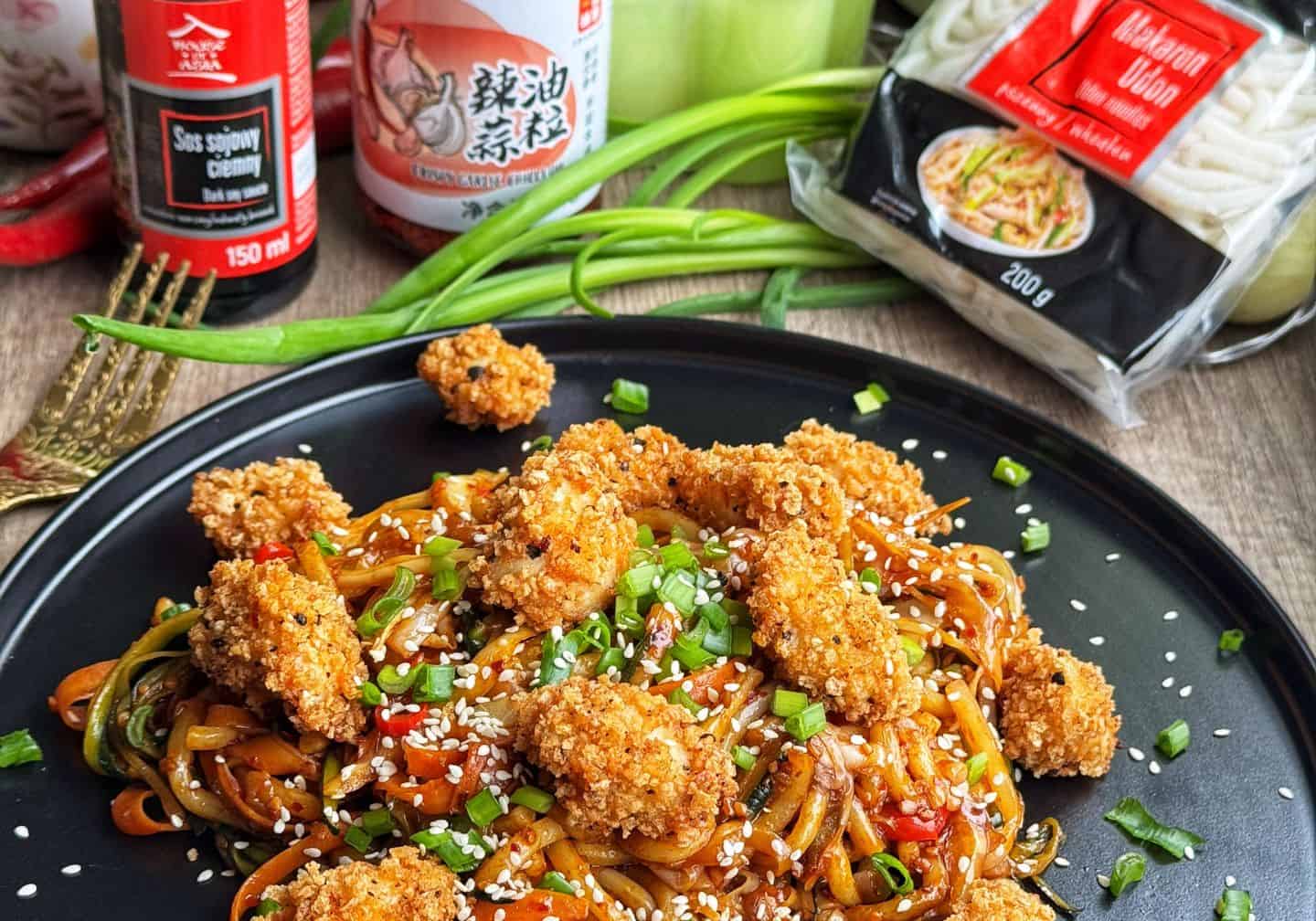
 Spicy udon noodles with vegetables and crispy chicken
Asian noodles in your kitchen
From delicate rice noodles, to springy udon, to subtly nutty soba. Each type offers completely different culinary possibilities. Choose wide rice ribbons for pad Thai, thin glass noodles for spring rolls, and ramen for aromatic broth. Chow mein and mie are perfect for when you crave a quick wok dish. Experiment with toppings, combine flavors, and discover how many delicious dishes you can create with just one simple ingredient.



 Chicken
 Chinese
 15-30 minutes
 Pasta
 Japanese