

In Asia, pasta is the second most common ingredient in Asian dishes, alongside rice. It's made from water and virtually any starch. Pasta culture in Italy and Asia differs somewhat. Unlike Italians, who primarily toss pasta in tomato sauces, Asians serve pasta with aromatic broths, stir-fried with vegetables and meat, and the "sauces" they add differ significantly from Italians.
Variety of Gluten-Free Pasta in Thailand
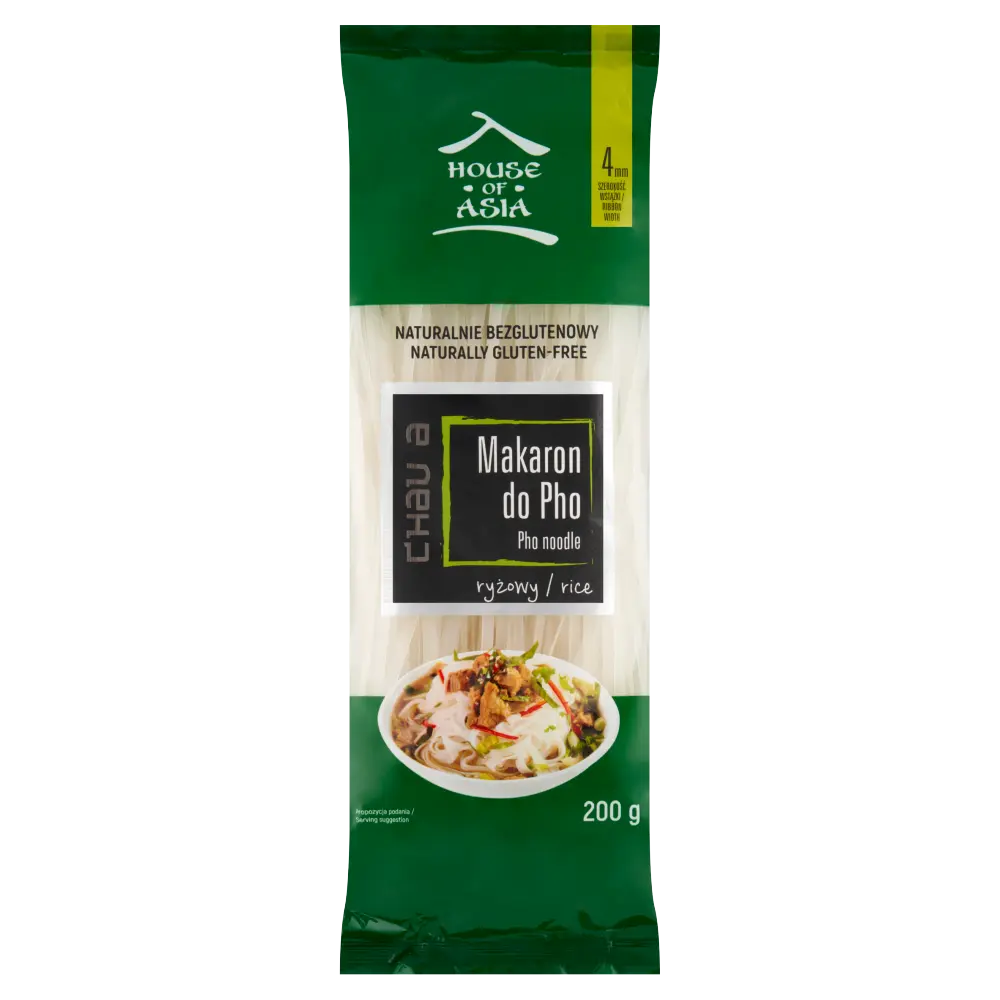
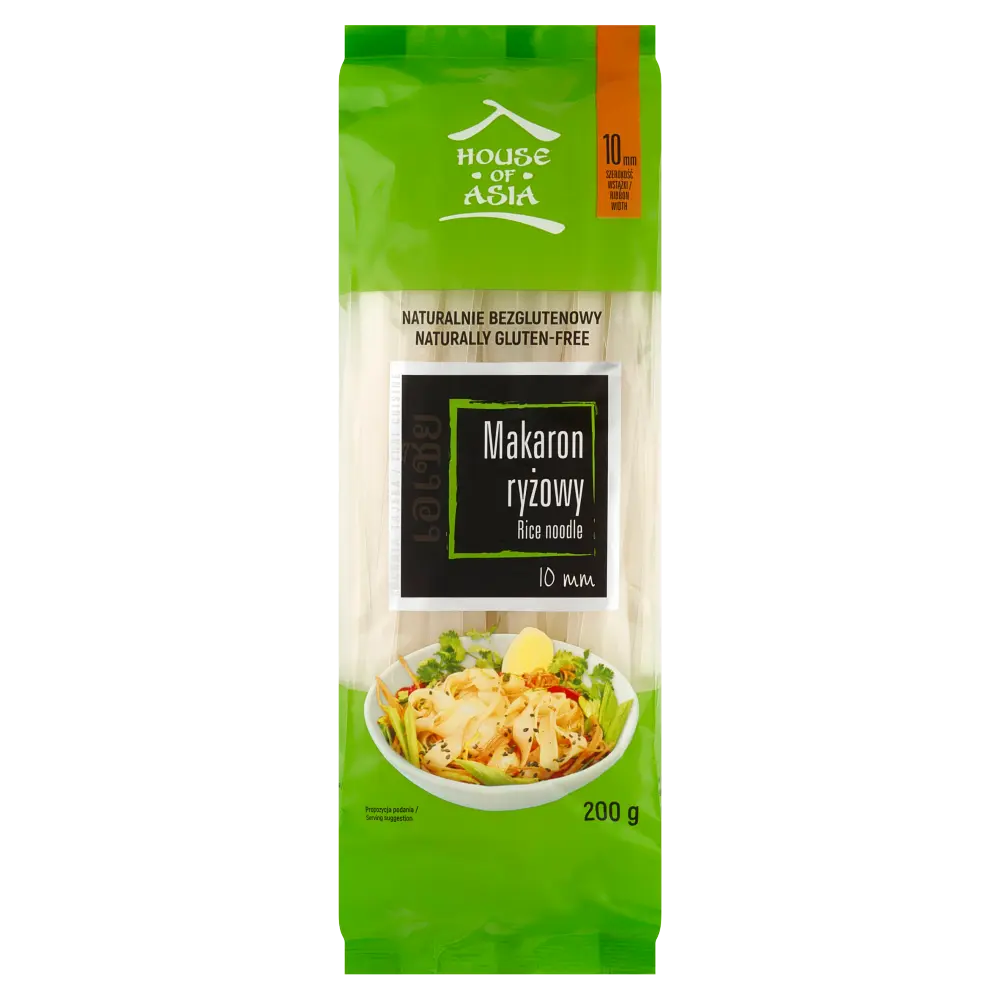
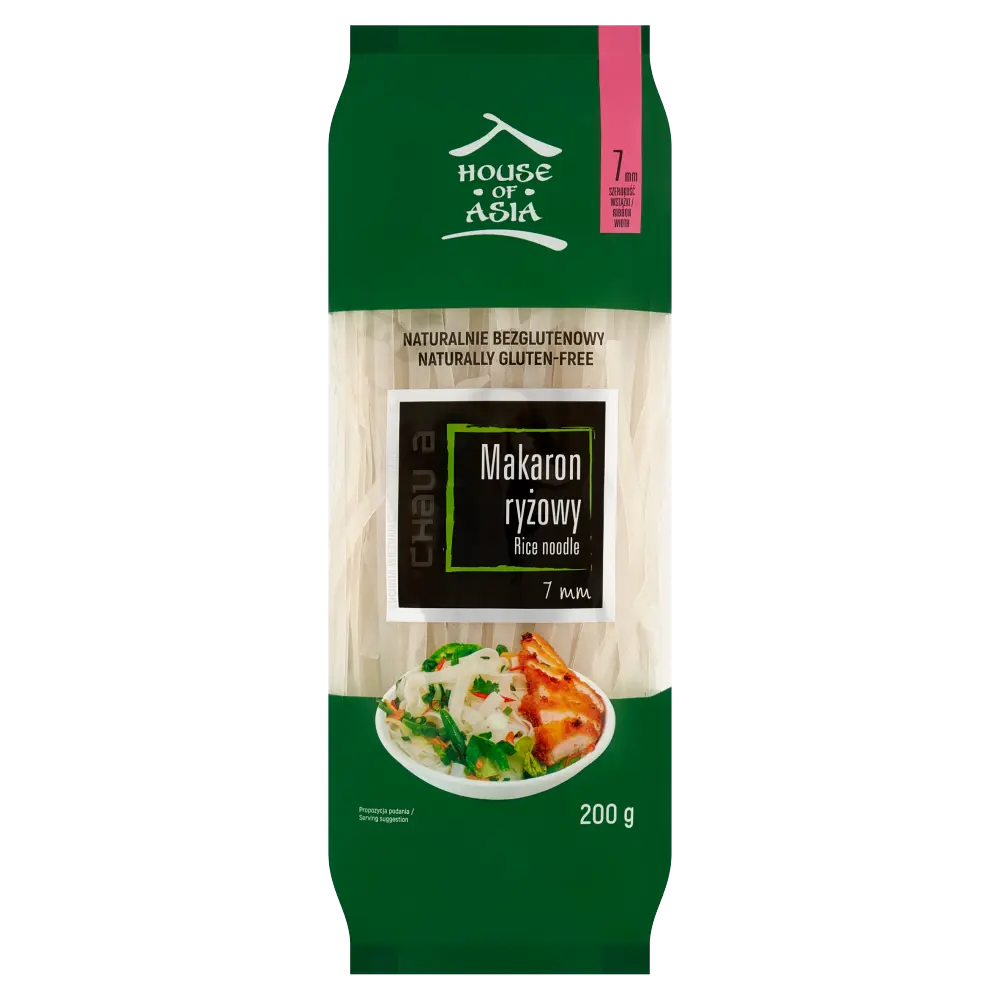
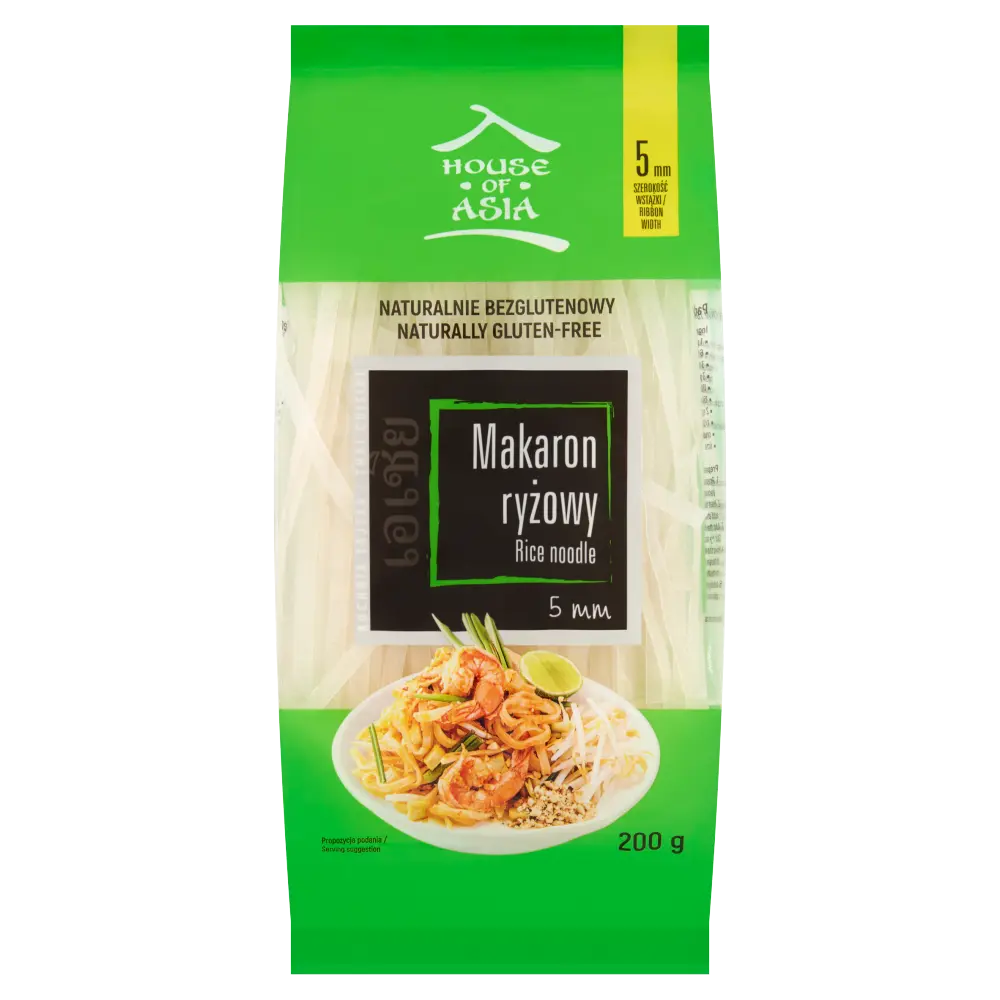
Rice Made from rice flour, water, and salt, it absorbs flavors perfectly. It's important to prepare it properly. Thais often soak the noodles before preparing them, and they add slightly firm noodles to pad Thai to absorb the dish's flavors. Thanks to this technique, the noodles absorb the sauce and flavors of the dish instead of absorbing a large amount of flavorless water. It also works perfectly as an addition to broths and stocks. Check out why it's worth eating such warm, nutritious broth for breakfast.
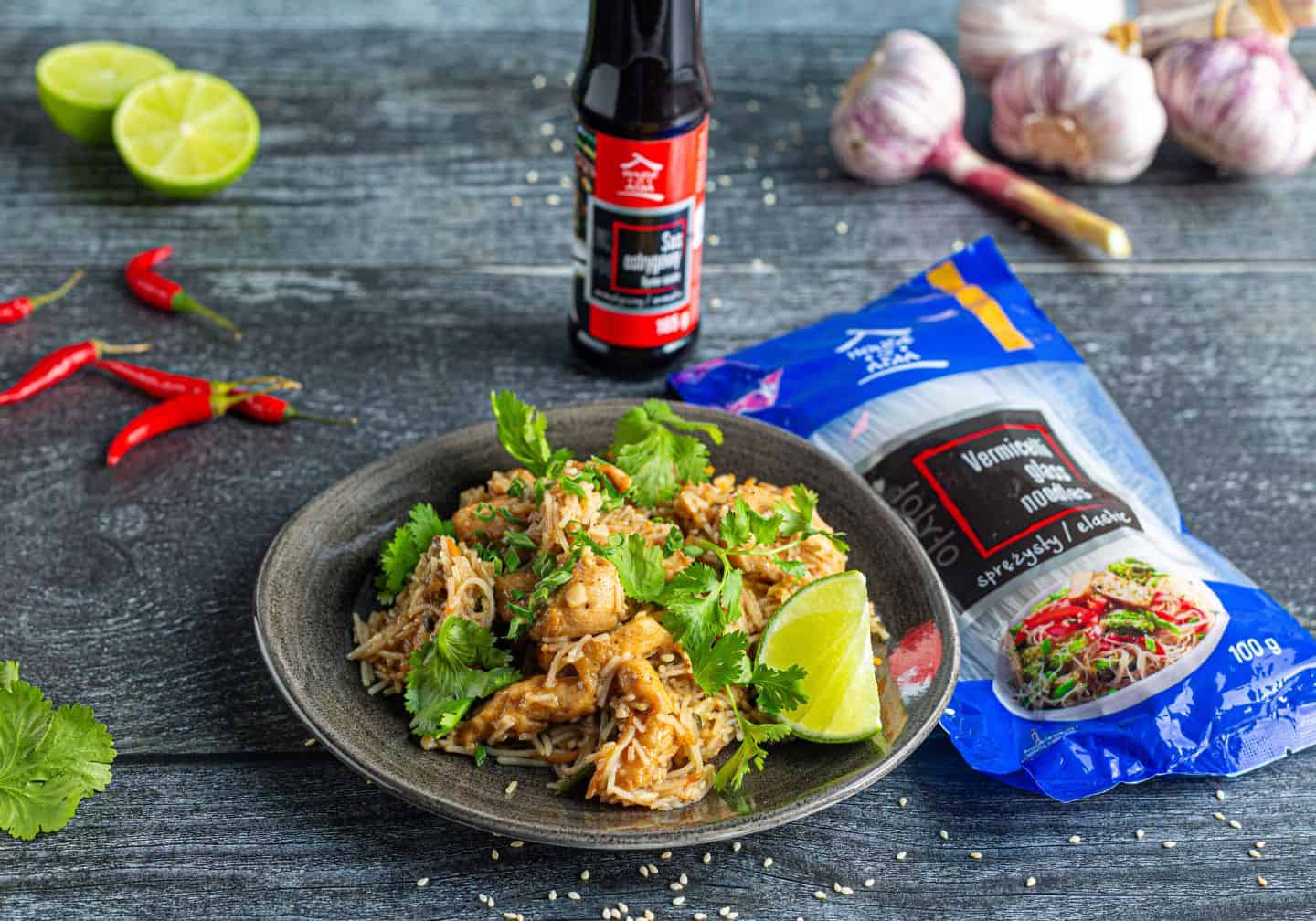
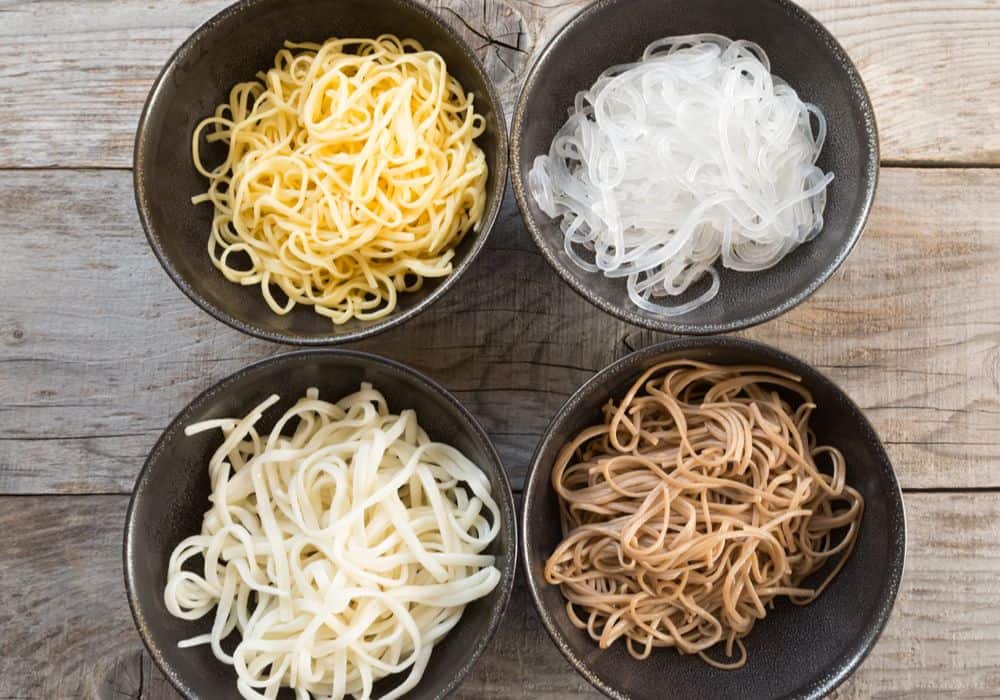
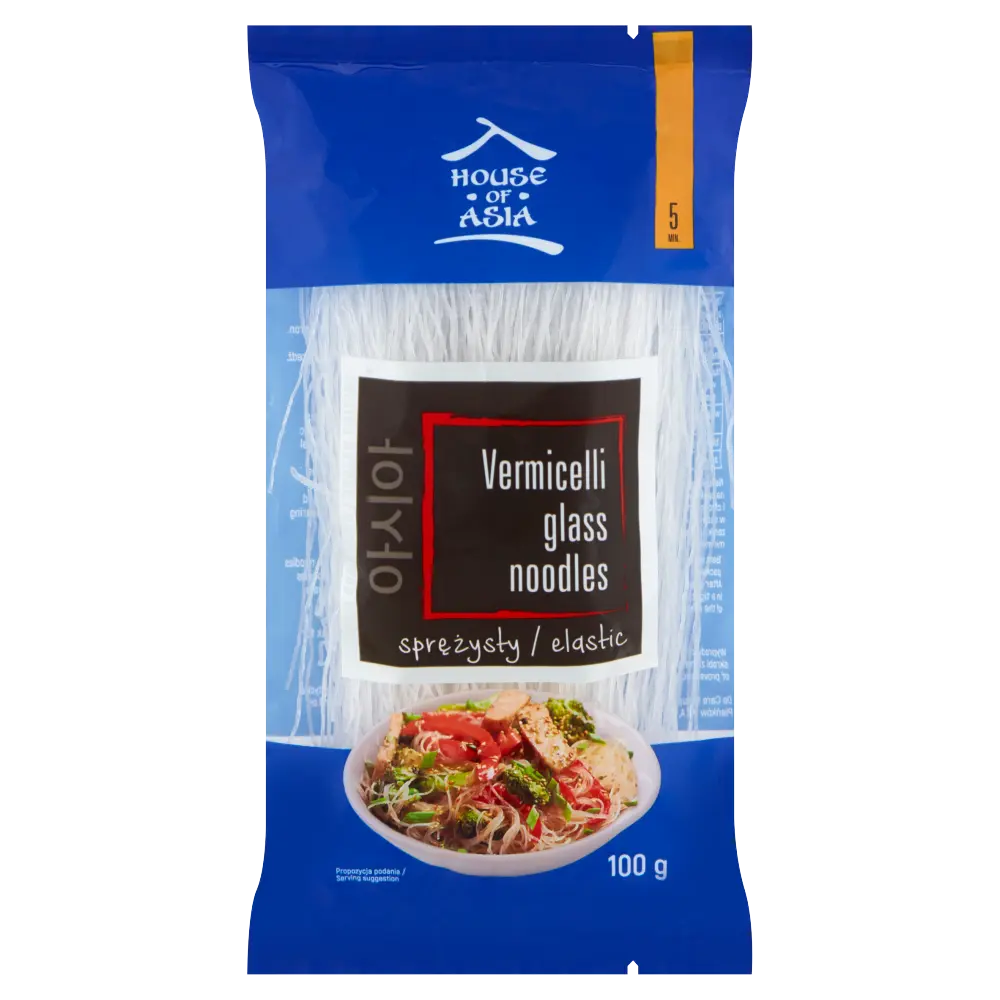
Mung bean vermicelli – delicate, filling – perfect for salads, spring rolls, soups, and stir-fries. Mung beans contain large amounts of easily digestible protein, vitamins A, B, C, and E, and minerals.
Rice noodles with tapioca and green tea Made from brown rice flour, it's very filling, and the green tea gives it a unique flavor. It gives the dish a beautiful green color and tastes great both hot and cold.
Chinese flavors
The basis of the pasta repertoire are wheat pastas
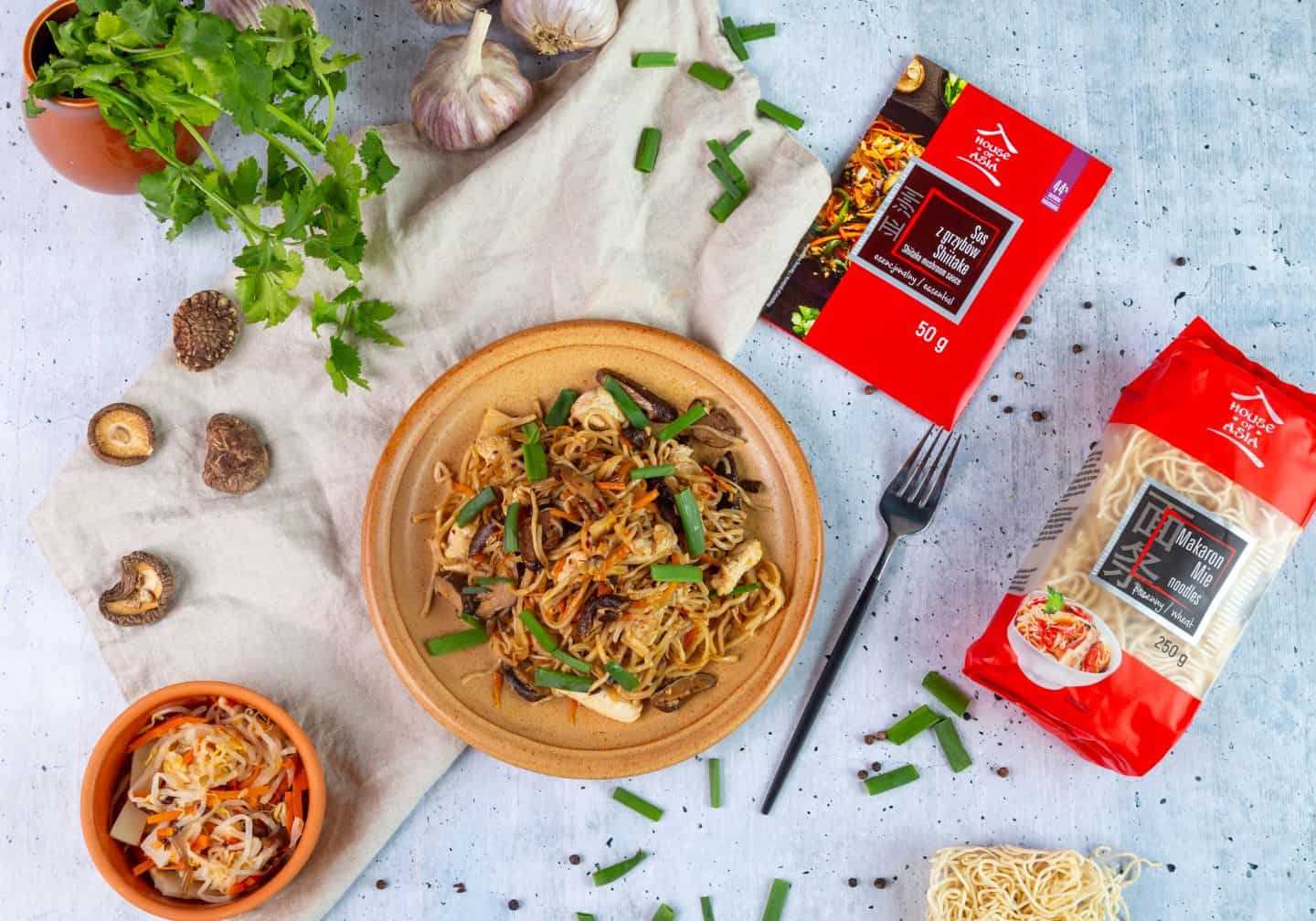
Mie – It boasts a high protein content, providing energy for several hours. It cooks quickly and is indispensable for soups and wok dishes.
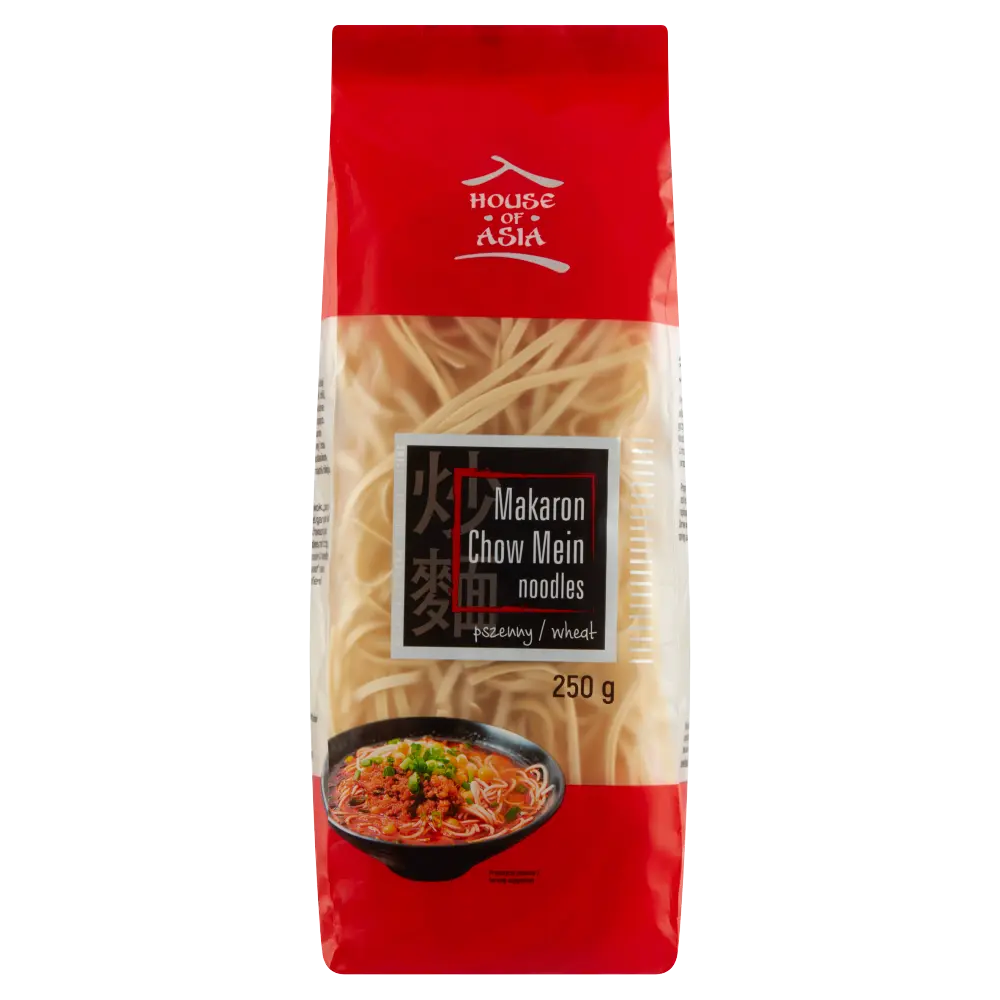
Chow Mein – like Mie, it has a high protein content, most often served in the form of a popular dish of the same name "Chow mein" – a fried dish with vegetables and meat, with the addition of aromatic sauces, e.g. hoisin, honey with garlic, chili.
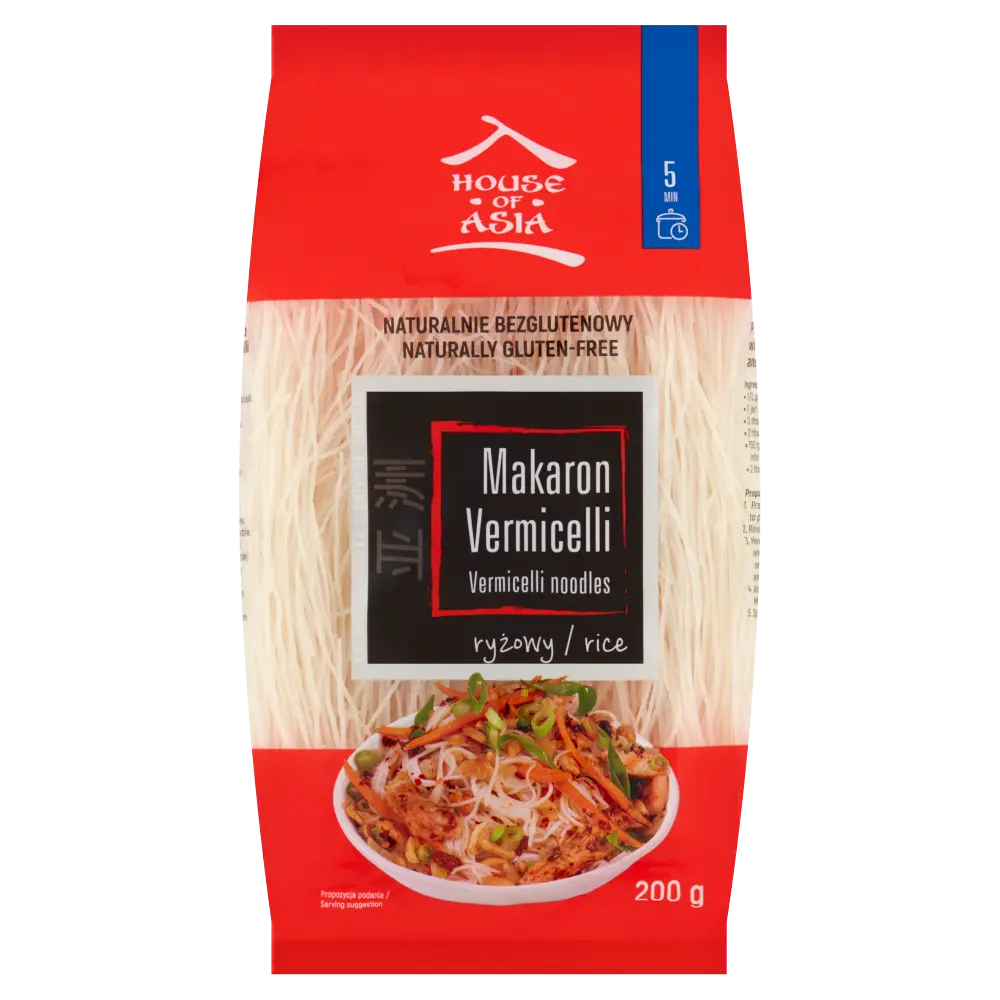
Rice vermicelli noodles – made from rice flour and water, it is delicate and thin. It cooks quickly.
Japanese preferences
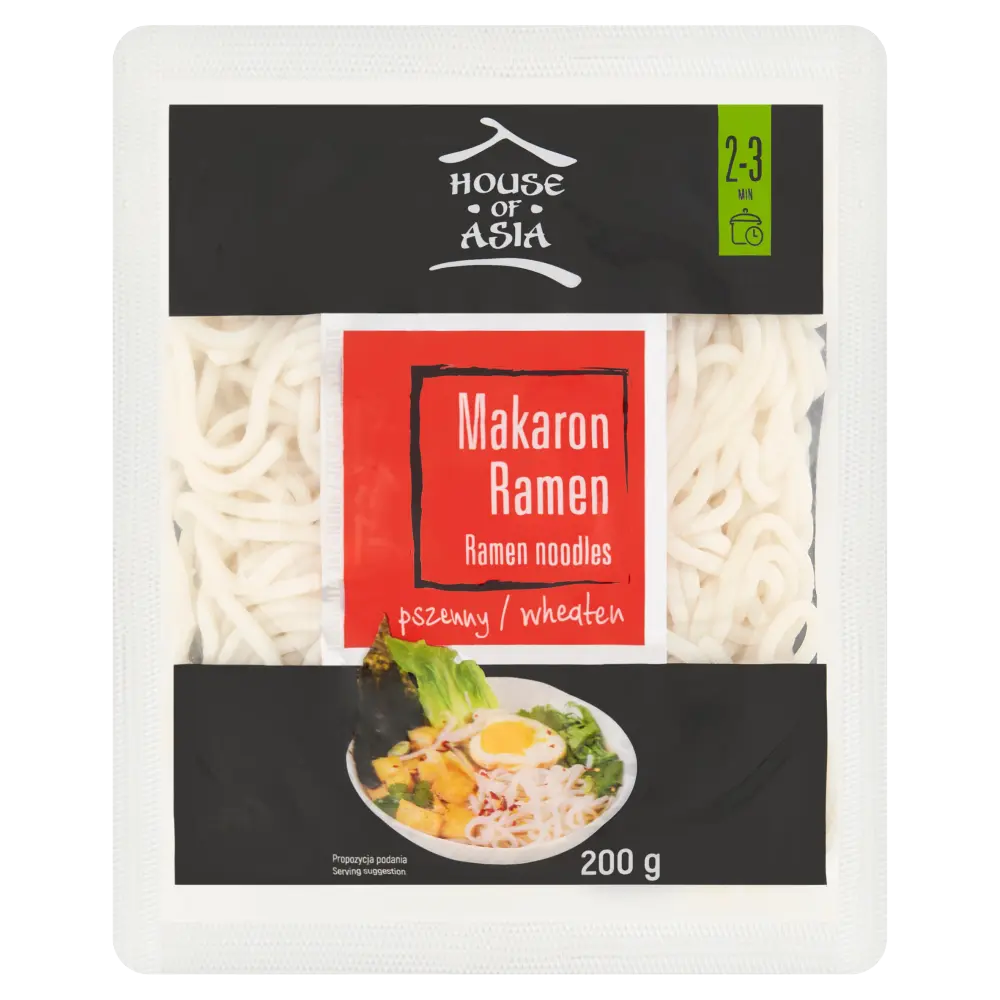
A popular pasta is Windows – There are countless variations on this dish of the same name, in which noodles are an essential ingredient. They are a source of protein. However, the Japanese love udon, buckwheat soba, and thick wheat udon noodles.
Soba with a characteristic gray-brown color, which is obtained from a mixture of buckwheat and wheat flour. It is most often served cold as an addition to sauces or warm in soup.
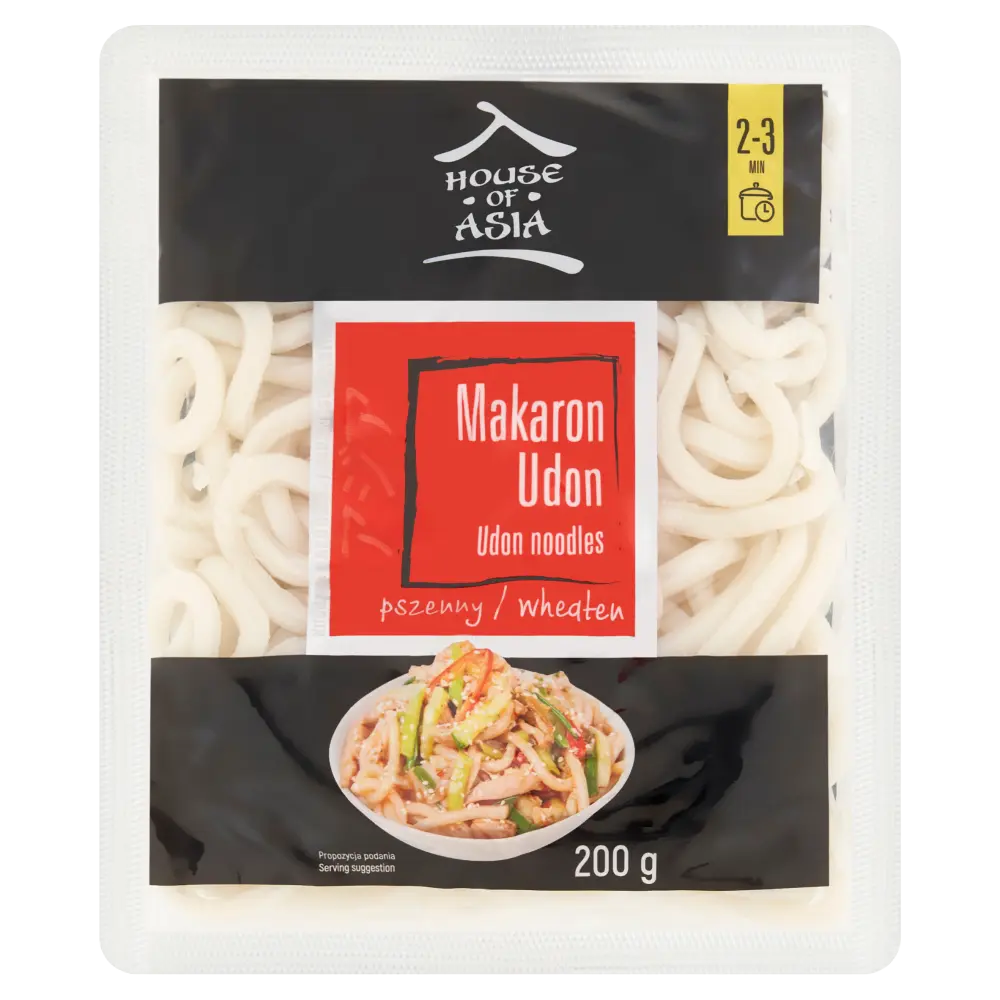
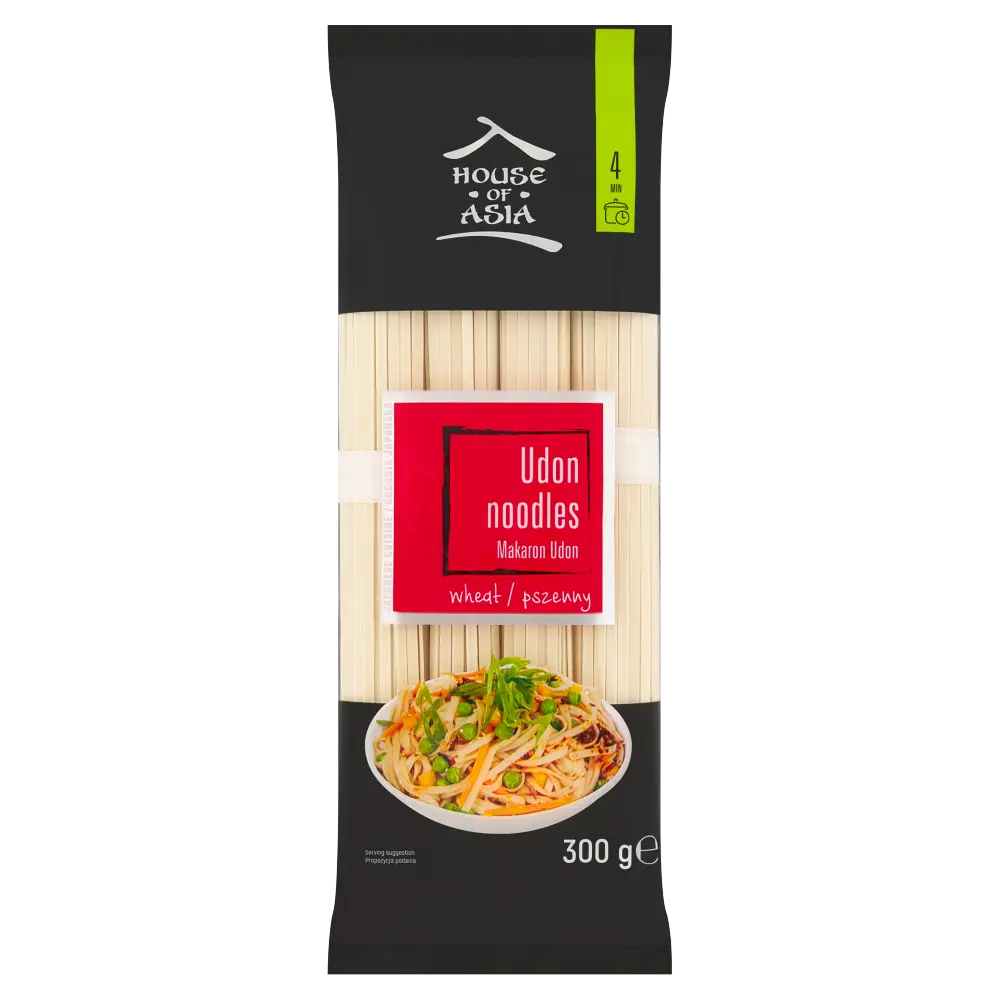
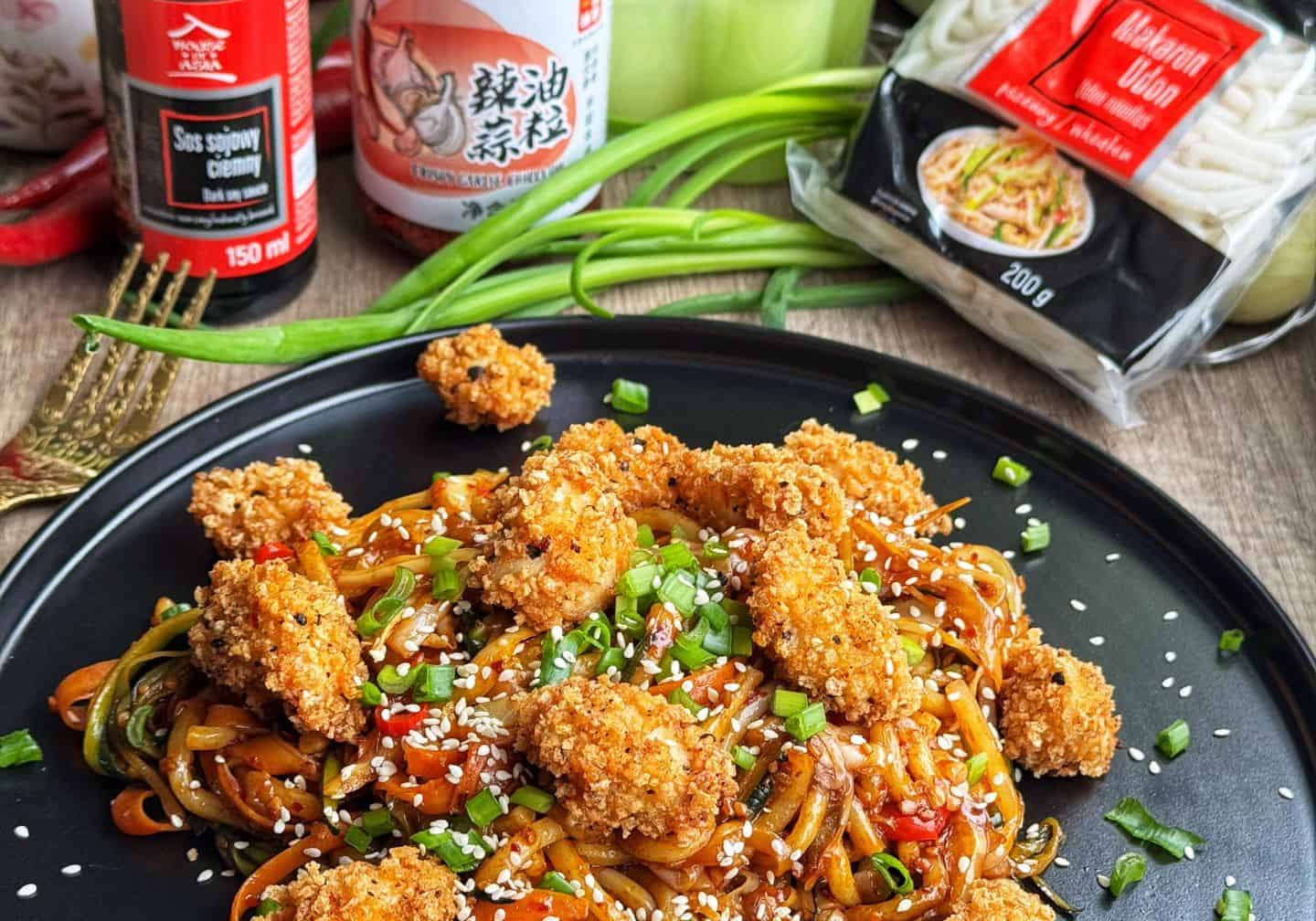
Udon These thick strands of pasta are made from wheat flour and can be round or flat. They're a staple addition to warm broth.
Asian noodles are also a great addition or substitute to our traditional Polish dishes. Their use is only a matter of our imagination; to stimulate it, check out our section on regulations.


 Chicken
  Chinese
  15-30 minutes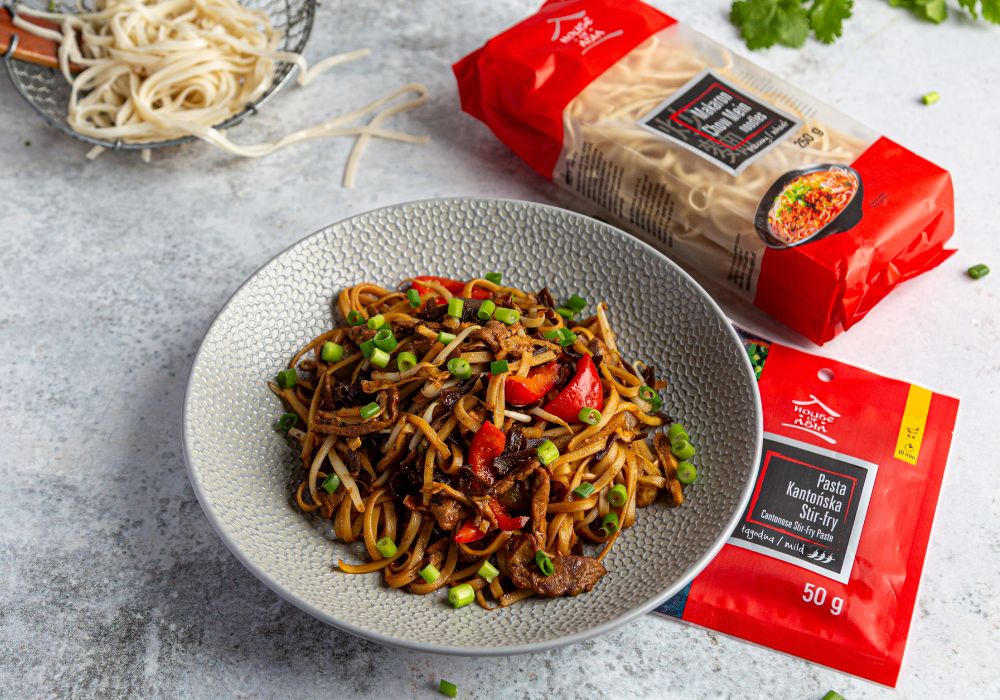
 Pasta
Pasta 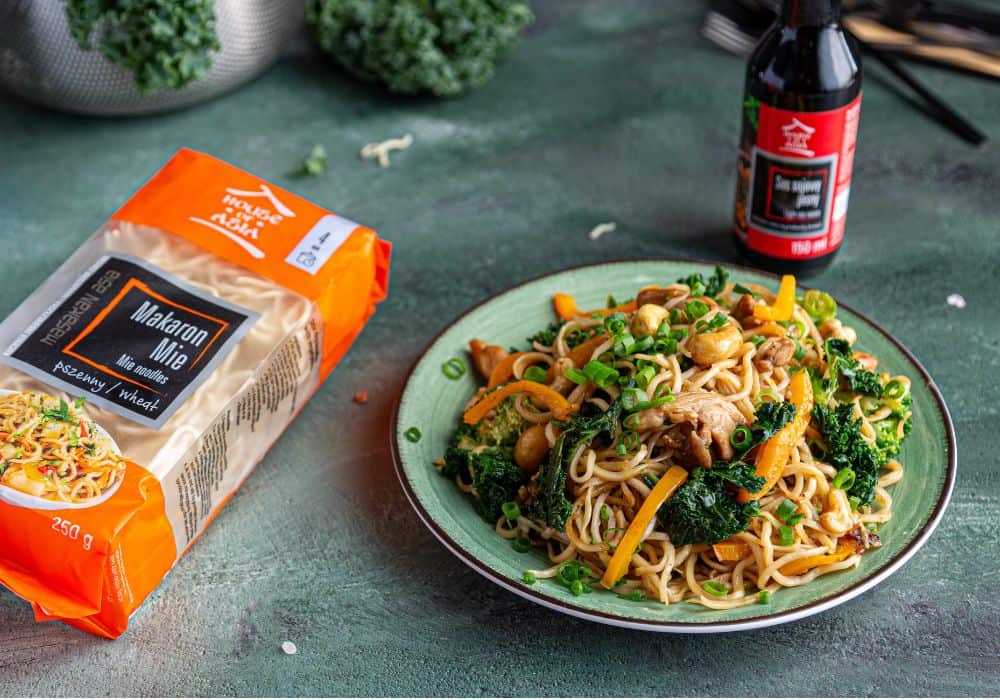
 Japanese